Politicscourts & investigationsLegal Precedents
Federal judge temporarily halts Tennessee's bid to shut down Kalshi sports contracts
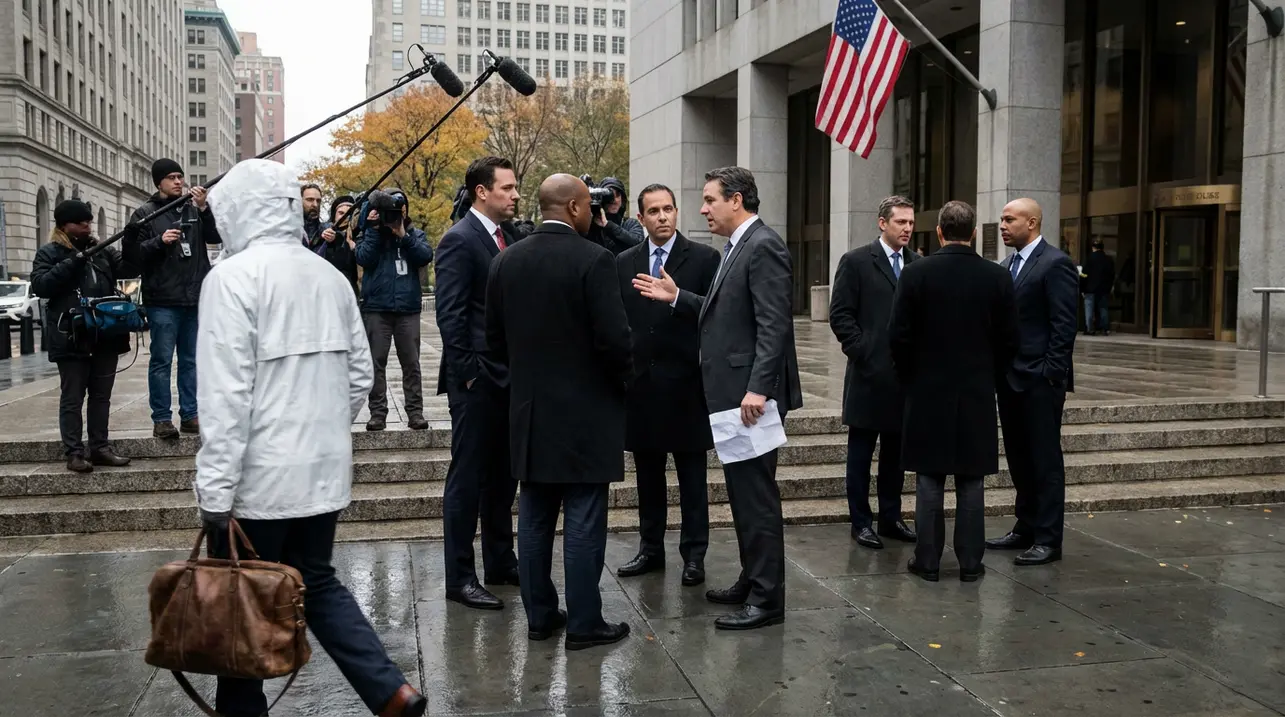
In a move that should surprise absolutely no one who’s been paying attention, a federal judge has just slammed the brakes on Tennessee’s desperate attempt to shut down Kalshi’s political event contracts. Let’s be clear: this isn’t just a win for a single prediction market platform; it’s a direct shot across the bow of every state-level regulator who thinks they can dictate what consenting adults do with their own capital in the name of ‘protecting’ them.The state’s attorney general, Jonathan Skrmetti, had launched this crusade, arguing these contracts on election outcomes were nothing but illegal gambling masquerading as financial innovation—a classic, tired argument from a bureaucracy terrified of anything it can’t control. But U.S. District Judge Eli Richardson saw right through it, issuing a temporary restraining order that essentially tells Tennessee to stand down while the legal battle plays out.This is the core conflict of our time: the ossified, centralized power structure of state governance versus the unstoppable, decentralized force of free-market innovation. Kalshi, for the uninitiated, operates a regulated exchange where users can buy and sell contracts on the probability of future events, from Fed rate decisions to, yes, which party controls Congress after an election.It’s hedging, it’s price discovery, it’s information aggregation—it’s everything gambling is not, but regulators, with their 20th-century playbooks, are biologically incapable of telling the difference. They see a platform allowing people to bet on politics and their knees jerk straight to the 1901-era laws banning ‘bucket shops.’ It’s pathetic. The judge’s order is a preliminary but vital acknowledgment that Tennessee’s heavy-handed approach likely violates the Commodity Exchange Act, which squarely places oversight of such markets under the federal purview of the CFTC.And guess what? The CFTC has already blessed Kalshi’s specific political contracts. So Tennessee isn’t just fighting a company; it’s arrogantly trying to usurp federal authority.This is where the Bitcoin maximalist worldview becomes painfully relevant. This isn’t about sports betting or election contracts per se; it’s about the fundamental right to transact without seeking permission from a paternalistic intermediary.The state’s argument is built on sand—the fear that these markets could be manipulated or could somehow influence the very elections they predict. It’s the same weak sauce they pour over cryptocurrency: it’s for criminals, it’s too volatile, it confuses the poor citizens.It’s a smokescreen for their real fear: losing their monopoly on information and control. Think about it.A robust, liquid prediction market provides a far more accurate and timely snapshot of public sentiment than any poll or pundit. It financially incentivizes truth.That kind of transparency is kryptonite to political machines and the legacy media that feeds off them. The consequences of this case will ripple far beyond Nashville.If Kalshi prevails, it blows open the doors for prediction markets to become a mainstream financial tool, a legitimate way to manage risk and gain insight. It would be a landmark step in the long, grinding war to separate money from state.If Tennessee somehow wins on appeal, it will embolden every other reactionary state attorney general to launch their own guerrilla wars against innovation, creating a chaotic patchwork of regulations that stifles growth. They’ll come for crypto next, with renewed vigor.Watch the rhetoric. The state will cloak itself in concern for ‘consumer protection,’ but it’s pure protectionism for the existing, broken systems.The expert commentary, from law professors to libertarian scholars, largely sides with innovation here, noting that prediction markets have a history of accuracy and that the paternalistic ban is an antiquated relic. The real insight is this: this legal skirmish is a single front in the larger battle for sovereignty.Just as Bitcoin offers an exit from fiat debasement and centralized financial control, platforms like Kalshi offer an exit from manipulated narratives and centralized information control. The judge’s temporary halt is a small but significant victory for that sovereignty.Don’t celebrate yet—the war is long—but recognize the signal. The old guard is scared, and they should be.
#featured
#federal judge
#Tennessee
#Kalshi
#sports contracts
#temporary injunction
#regulation
#prediction markets