
Otherauto & mobilityRegulations and Safety
Hong Kong Mandates Seat Belts on Public Transport From January 25
JO
John Parker
4 months ago7 min read
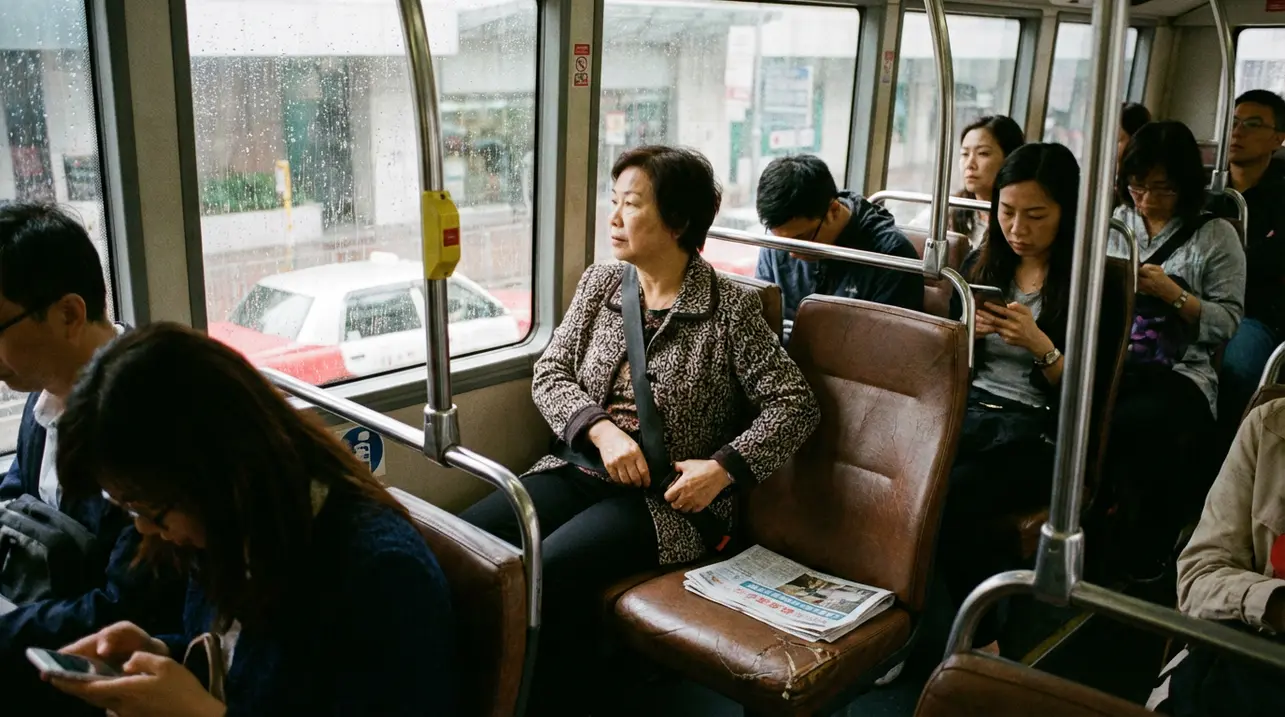
Hong Kong’s streets are set for a fundamental shift in safety protocol, with a sweeping new mandate requiring seat belt use on public transport taking effect in just over two weeks. Authorities confirmed on Thursday that from January 25, passengers on both public and private buses—including franchised and school services—must buckle up if a belt is available, a move that significantly expands legal liability for drivers who must now ensure child passengers are properly secured.This isn't a minor regulatory tweak; it's a decisive, long-anticipated intervention aimed squarely at reducing casualty figures in a city where public buses ferry millions daily through dense, winding urban corridors and across high-speed expressways. The countdown has begun for operators and commuters alike to adapt, with enforcement poised to begin immediately, signaling a zero-tolerance stance from transport officials who have watched similar measures dramatically curb fatalities in jurisdictions like Singapore and the United Kingdom.Behind this deadline lies a grim statistical impetus: despite Hong Kong’s generally excellent transport safety record, high-profile bus crashes in recent years, including a tragic 2018 incident on Tai Po Road that left 19 dead, exposed a critical vulnerability—the sheer force of an unbelted passenger becoming a projectile in a collision. The legislative journey to this point has been meticulous, involving years of consultation, retrofit programs for older bus fleets, and public awareness campaigns that now culminate in a hard enforcement date.Analysts note the rule closes a glaring gap, as Hong Kong’s original seat belt laws, focused largely on private vehicles and coach seats, left a vast swath of daily journeys unprotected. The practical implications are immense: franchise giants like KMB and Citybus must ensure clear signage and passenger compliance, while drivers bear a new layer of legal responsibility, potentially facing fines and penalties if children are found unrestrained.For the average commuter, the change introduces a new ritual of buckling in on the top deck of a double-decker, a simple action that safety engineers argue could cut serious injury risk by over half in a rollover or sudden stop. The policy also reflects a broader, global trend in urban transport governance, moving beyond private car safety to holistically protect all road users, and places Hong Kong alongside other advanced Asian metros that have implemented similar mandates.However, challenges loom, from ensuring consistent adherence across diverse passenger demographics to addressing equity concerns for those with disabilities who may find certain belt configurations impractical. The coming weeks will be a critical test of public readiness and enforcement rigor, setting a precedent for how swiftly a dense metropolis can institutionalize a new culture of collective safety. The January 25 start date is more than a calendar marker; it’s a line in the sand for a city determined to fortify its public transport system against preventable tragedy, one click of a seat belt at a time.
#seat belt law
#public transport
#Hong Kong
#traffic safety
#legal liability
#weeks picks news
Stay Informed. Act Smarter.
Get weekly highlights, major headlines, and expert insights — then put your knowledge to work in our live prediction markets.
Related News






2 months ago
Why ‘others have it harder’ is a form of empathy bypassing

2 months ago
Outpoll Weekly Recap: Other (March 30 – April 5, 2026)

2 months ago
Outpoll Weekly Recap: Other (March 23 – 29, 2026)

2 months ago
Outpoll Weekly Recap: Other (March 16 – 22, 2026)

2 months ago
Washington State Passes Millionaires Tax as Model for Others

2 months ago
Outpoll Weekly Recap: Other (March 9 – 15, 2026)

2 months ago
Telura Emerges with €4M Seed to De-Risk Deep Geothermal, as Europe's Subsurface Energy Race Intensifies

3 months ago
Outpoll Weekly Recap: Other (March 2 – 8, 2026)

3 months ago
Outpoll Weekly Recap: Other (February 23 – March 1, 2026)

3 months ago
Dinosaur eggshells can reveal the age of other fossils.
Comments
It's quiet here...Start the conversation by leaving the first comment.