ScienceneuroscienceBrain Mapping
Traversal: New Book Exploring Consciousness and Human Longings
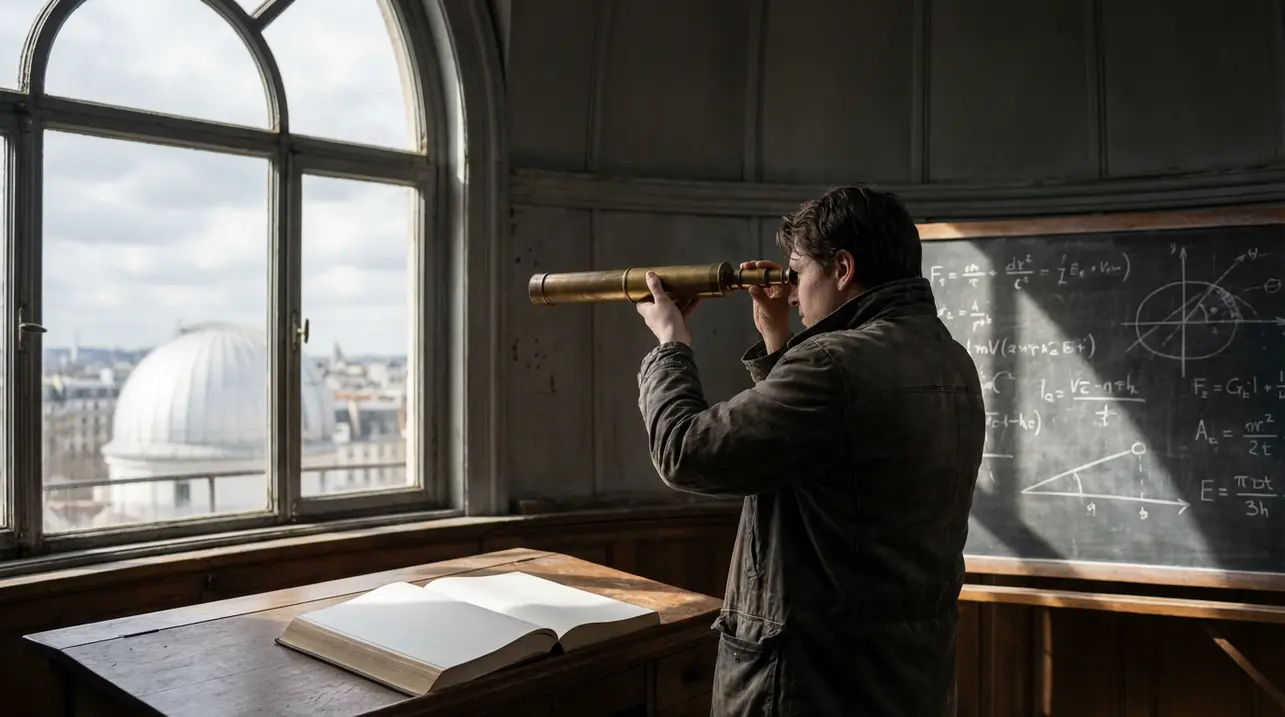
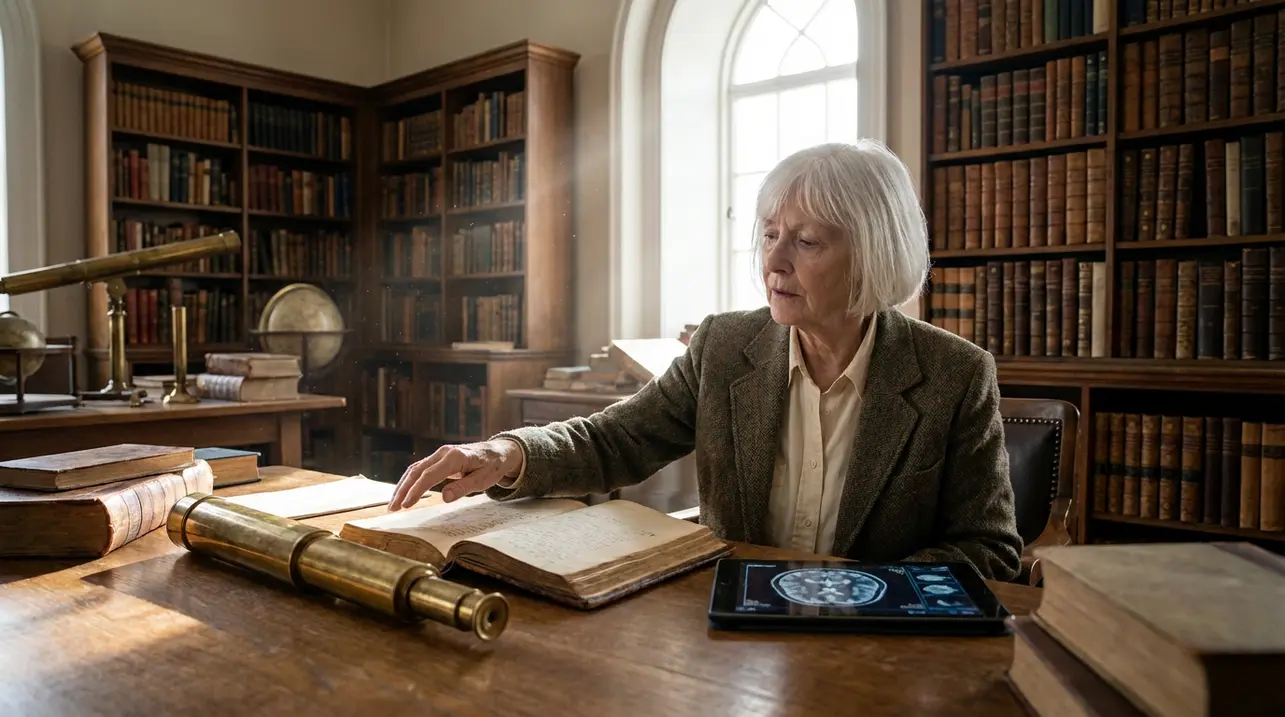
There’s a particular kind of restlessness that defines the human condition, a quiet hum of questions that follow us from our first conscious moments to our last. It’s in the space between who we are and who we might have been, between the raw chemistry of our brains and the luminous, inexplicable experience of being.Maria Popova’s new work, *Traversal* (FSG), doesn’t just catalogue these eternal inquiries; it walks directly into their heart, using the intertwined lives of history’s visionaries—both celebrated and startlingly overlooked—as a kind of map. This isn't a book of answers.It’s a profound exploration of the instruments we’ve crafted to even ask the questions in the first place: our telescopes peering into the cosmic dark, our poems giving voice to private ache, our scientific treatises and philosophical postulates all straining toward a truth that perpetually recedes. What makes *Traversal* so compelling is its human-centric methodology.Popova understands that abstract concepts about chance, choice, love, power, and loss only resonate when we see them lived. She connects the dots between figures separated by centuries and disciplines, revealing how a 19th-century astronomer’s lonely vigil under the stars echoes a contemporary poet’s meditation on solitude, and how a biologist’s study of symbiotic relationships mirrors the fragile, necessary dependencies in our own loves and legacies.The book suggests that our lust for power often stems from a deep-seated fear of powerlessness in the face of a chaotic universe, while our love of truth is a quieter, more persistent rebellion against that same chaos. It sits with the tension between these drives, refusing to vilify one or sanctify the other, instead showing how they’ve danced within single, brilliant, flawed individuals throughout history.The ‘sidelined’ figures Popova brings to the fore are particularly poignant. Their stories—of contributions ignored, of insights born from marginalization—add a crucial layer to our understanding of progress.They remind us that the narrative of human advancement is not a clean, linear sprint led by a few famous names, but a messy, branching, collective traversal, paved as much by forgotten footsteps as by celebrated leaps. The redemption it speaks of isn’t a grand, final absolution, but the small, daily reclamation found in continuing to ask, to build, to connect, and to create beauty and understanding despite—and perhaps because of—our inevitable losses.In the end, *Traversal* argues that our longings themselves, that restless energy, are not a flaw to be cured but the very engine of our humanity. By examining the lives of those who traversed these inner landscapes before us, the book offers a strange comfort: we are not alone in our questioning. The tools may change—from parchment to pixel, from slide rule to supercomputer—but the fundamental journey, the traversal through the wilderness of our own consciousness and its place in the cosmos, remains the central, defining project of a life fully lived.
#consciousness
#philosophy
#books
#literature
#science
#featured