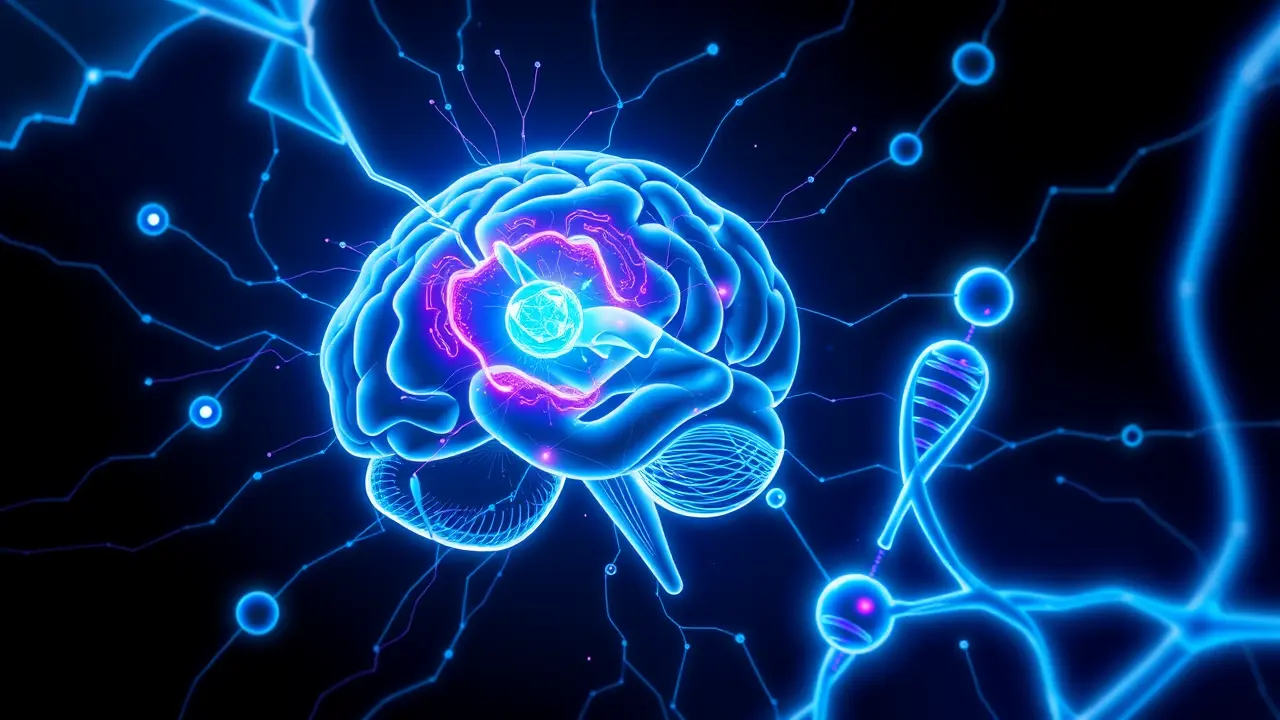
In a discovery that feels plucked from the pages of a near-future medical thriller, scientists have pinpointed a biological superhighway that may hold the key to keeping our most vital organ youthful: the vagus nerve. This isn't just about heart rate variability or stress response anymore; new research is painting a picture where this single, wandering nerve acts as the heart's primary defense against the ravages of time itself.The findings, emerging from meticulous laboratory studies, suggest that maintaining the vagus nerve's connection to the heart isn't merely beneficial—it's a fundamental pillar of cardiac longevity, protecting the very cells of the myocardium and preserving the organ's robust pumping strength. Even more tantalizing is the observation that partial restoration of this neural link was sufficient to slam the brakes on detrimental fibrotic changes within heart tissue, a common hallmark of aging and failure.For those of us who follow the explosive convergence of AI and biology, this work resonates on a profound level, hinting at a future where bioelectronic medicine and neural interfaces could be routinely deployed not just to treat disease, but to actively decelerate the biological clock of critical organs. Imagine a paradigm shift in cardiac care, where alongside statins and stents, clinicians might employ targeted neuromodulation therapies, essentially 'hacking' the body's own wiring to reinforce resilience.This has staggering implications for the field of transplant surgery as well, potentially offering strategies to better preserve donor hearts by safeguarding their autonomic innervation during procurement and storage, thereby improving post-transplant outcomes and longevity. The research builds upon a growing body of evidence that positions the autonomic nervous system not as a passive bystander but as a master regulator of organ health and systemic aging.We're moving beyond viewing the heart as a simple pump; it's an integrated component of a complex neural network, and its dialogue with the brain via the vagus is a continuous stream of vital data and trophic support. Experts in neurocardiology are cautiously optimistic, noting that while the leap from rodent models to human clinical application is significant, the principle is sound.The vagus nerve releases acetylcholine and other substances that exert powerful anti-inflammatory and anti-apoptotic effects directly on heart cells, creating a microenvironment that resists the oxidative stress and cellular senescence that accumulate with age. This discovery could reshape entire surgical approaches, prompting cardiac surgeons to meticulously preserve vagal branches during procedures, and fueling R&D in bioelectronics companies aiming to develop implantable 'vagus nerve guardians'.
#vagus nerve
#heart aging
#cardiac health
#medical research
#transplant surgery
#lead focus news
Stay Informed. Act Smarter.
Get weekly highlights, major headlines, and expert insights — then put your knowledge to work in our live prediction markets.
The broader context here is the relentless quest in biotech to move from reactive disease management to proactive healthspan extension—this isn't just about adding years to life, but adding life to years by ensuring our core physiological systems remain robust. As CRISPR and gene therapies capture headlines for their potential to rewrite our genetic code, this work reminds us that sometimes the most powerful levers for health are already woven into our anatomy, waiting to be understood and optimally harnessed. The road ahead will require rigorous clinical validation, but the foundational insight is clear: in the intricate dance of longevity, the whisper-thin fibers of the vagus nerve may be conducting the symphony that keeps the heart's rhythm strong for decades to come.