SciencebiologyMicrobiology
The invisible microbes that help keep us healthy
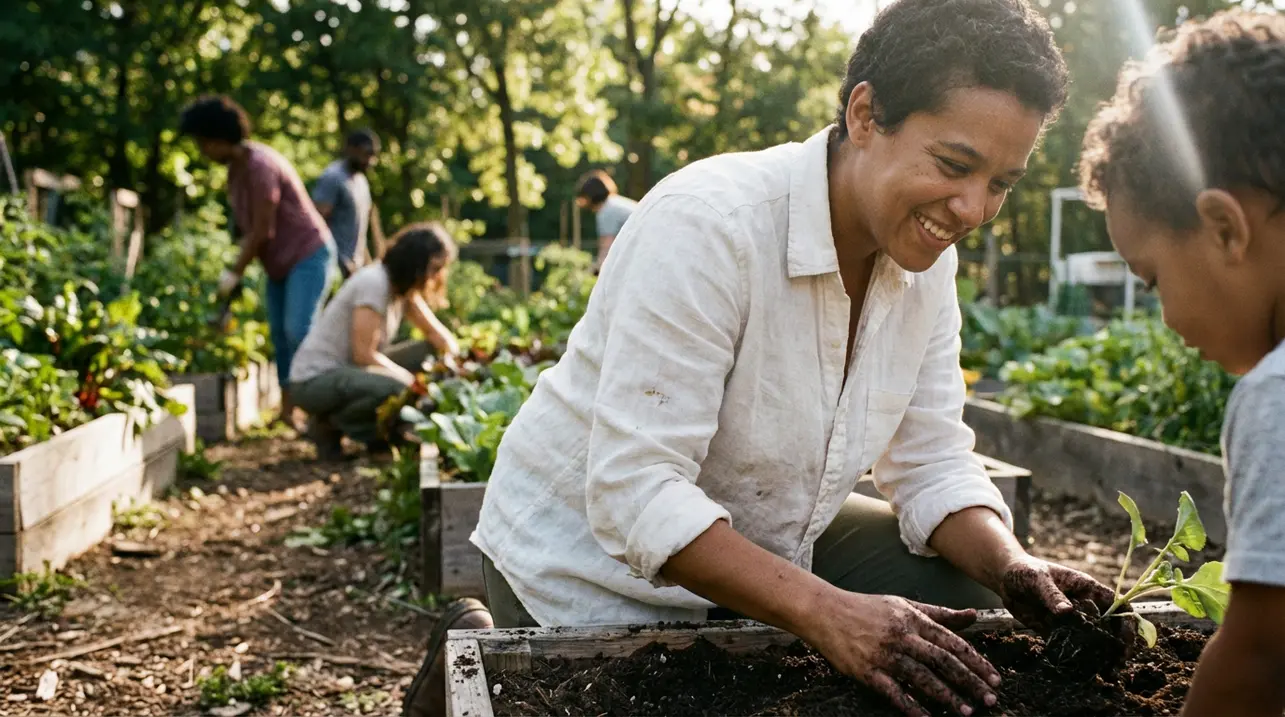
For generations, the very word 'microbe' has been synonymous with disease, a legacy of germ theory that framed our microscopic cohabitants as invaders to be eradicated. This narrative, however, is undergoing a profound and necessary ecological correction.The recent creation of a world-first database dedicated to cataloging beneficial bacteria and their associated natural compounds isn't just a technical achievement; it's a paradigm shift in how we understand health, not as a sterile state of defense, but as a thriving, biodiverse ecosystem. This research, meticulously tracking links to immune fortification, stress resilience, and overall vitality, fundamentally challenges our long-standing obsession with pathogens.It reveals that our health is deeply interwoven with a vast, invisible network of microbial allies, a symbiotic relationship we have spent over a century inadvertently sabotaging with antibiotics, ultra-processed diets, and sterile urban environments. The implications ripple far beyond the lab.Consider the historical precedent of the Hygiene Hypothesis, which first suggested that reduced exposure to microbes in early childhood was linked to a rise in allergic diseases. This new database provides a concrete, molecular map of that principle, moving from correlation to causation by identifying specific bacterial strains and the metabolites they produce—like butyrate for gut integrity or certain peptides for neural calm—that act as direct mediators of our well-being.Experts in microbial ecology warn that we are in the midst of a 'mass extinction' event within our own bodies, a loss of microbial diversity with consequences as severe as the deforestation of the Amazon. This scientific pivot forces us to reconsider everything from clinical practice, where probiotics might move from supplemental to prescriptive, to urban design.Future cities may prioritize green spaces not just for recreation, but as critical infrastructure for microbial exchange, integrating soil-rich playgrounds and community gardens to foster exposure to a wider range of environmental microbes. Environmental restoration projects could be evaluated not only on visible biodiversity but on their capacity to replenish the microbial communities that underpin ecosystem—and human—health.The potential consequences are vast: in agriculture, a move away from monocultures and glyphosate that decimate soil microbiomes; in medicine, personalized microbiome profiles guiding dietary and therapeutic choices; in public policy, a reevaluation of what 'clean' truly means. This isn't a rejection of hygiene, but an embrace of a more nuanced balance.It acknowledges that our war on germs, while saving countless lives from acute infection, may have inadvertently made us more vulnerable to the chronic, inflammatory diseases of modernity—asthma, autoimmune disorders, and anxiety. The research underscores a fundamental ecological truth we've long ignored in human health: diversity is resilience. By mapping these beneficial invisible threads, science is finally providing the blueprint not just for healing individuals, but for rewilding our own internal landscapes, fostering a reconciliation with the microbial world that has, all along, been essential to keeping us whole.
#microbes
#beneficial bacteria
#immune system
#stress reduction
#biodiversity
#health database
#research
#featured