The Brain's Symphony of Time: How Neural Clocks Shape Cognition

KE
3 days ago7 min read
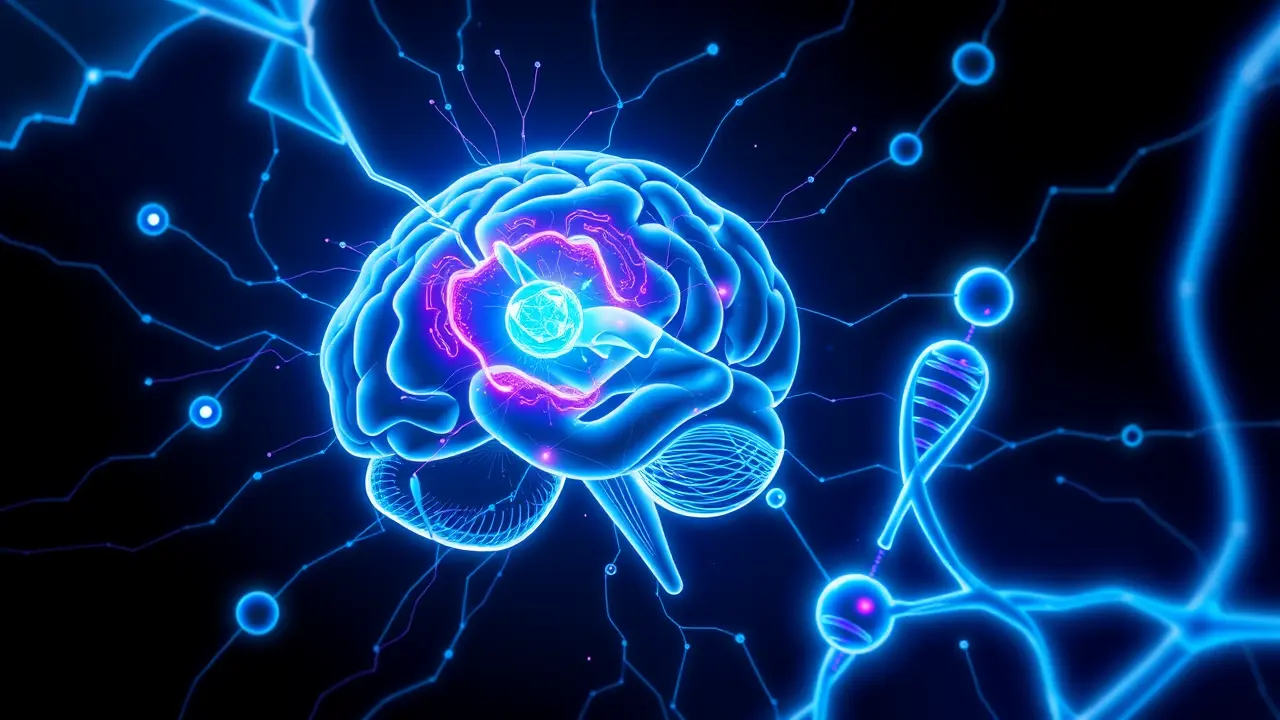
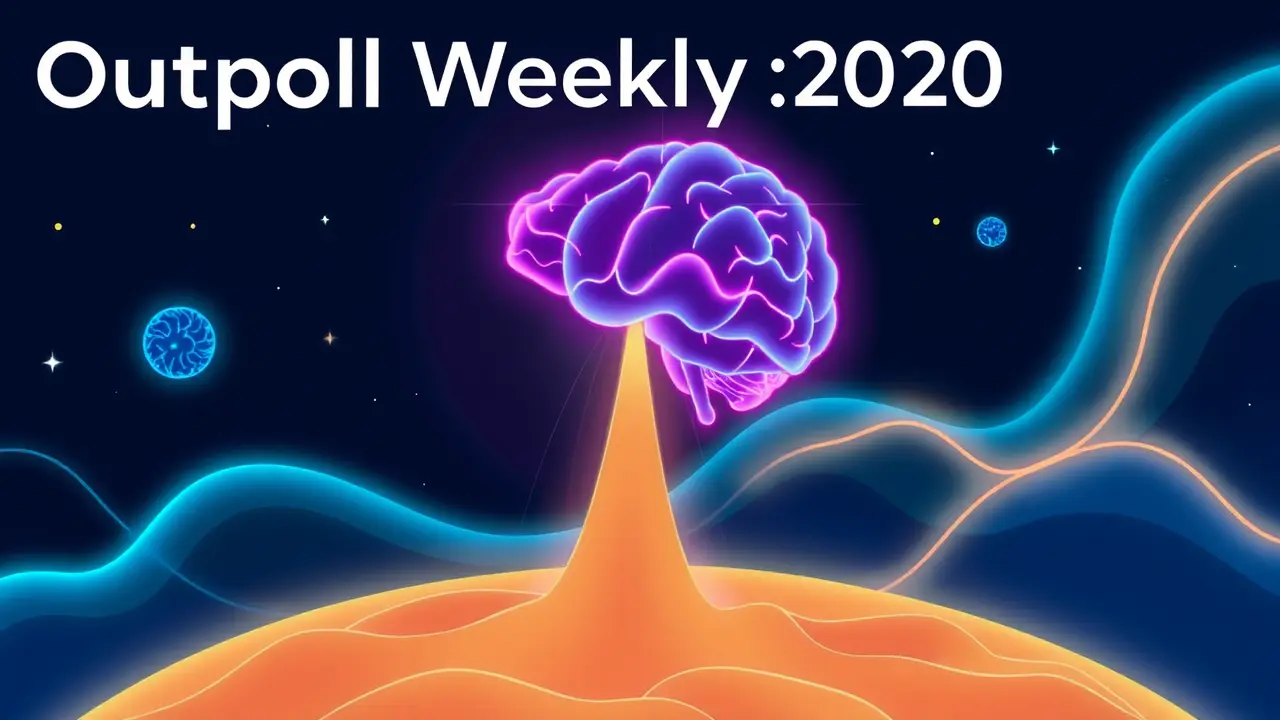
The human brain is not a single, unified processor but a complex orchestra of specialized networks, each operating on its own internal clock. Groundbreaking neuroscience reveals this hidden timing system as a fundamental architect of thought, emotion, and behavior.From the amygdala's split-second threat detection to the prefrontal cortex's slow, deliberate planning, different brain regions function on vastly different timescales. The coherence of the mind depends on the brain's white matter—the neural wiring—which acts as a conductor, synchronizing these disparate rhythms into a seamless cognitive performance.This 'neural chrono-architecture' dictates mental efficiency, determining how well we switch tasks, solve problems, or maintain focus. It provides a powerful new lens for understanding individual cognitive strengths, suggesting that prowess may stem less from raw power and more from the exquisite temporal coordination of brain networks.The implications are profound. In medicine, analyzing a person's 'neural chronotype' could revolutionize the diagnosis of developmental and psychiatric disorders.Future therapies or neurotechnologies might aim to retune these internal clocks to correct communication breakdowns. The model also reframes aging, where cognitive decline may involve a gradual desynchronization of regional clocks as white matter integrity wanes.Furthermore, it challenges comparisons to digital computers; the brain is a masterclass in asynchronous, parallel processing—a biological feat that modern artificial intelligence still struggles to replicate. By mapping this temporal fabric of thought, we are uncovering principles that will reshape education, mental health treatment, and the pursuit of genuine machine intelligence.
#brain timing
#cognitive processing
#white matter
#neural networks
#research breakthroughs
#editorial picks news
Stay Informed. Act Smarter.
Get weekly highlights, major headlines, and expert insights — then put your knowledge to work in our live prediction markets.