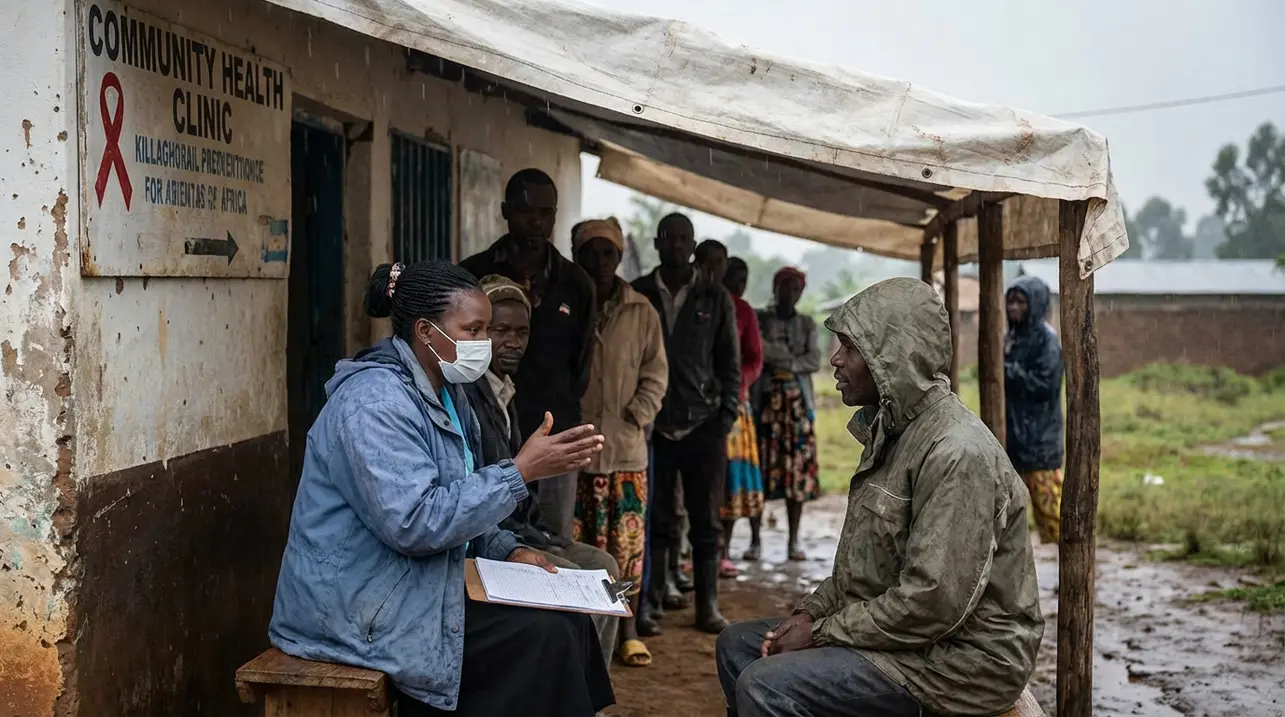
The 45-year fight against HIV is a victory now in danger.
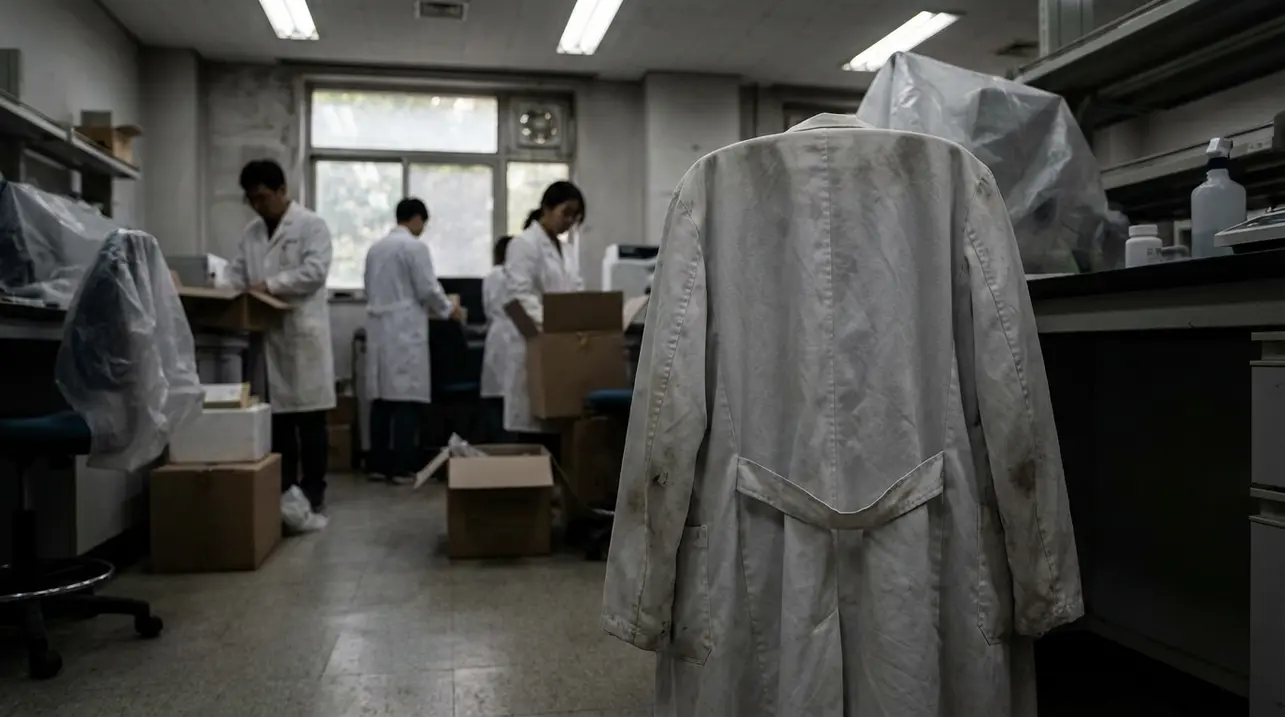
Trump's next budget calls for massive cuts to science again.
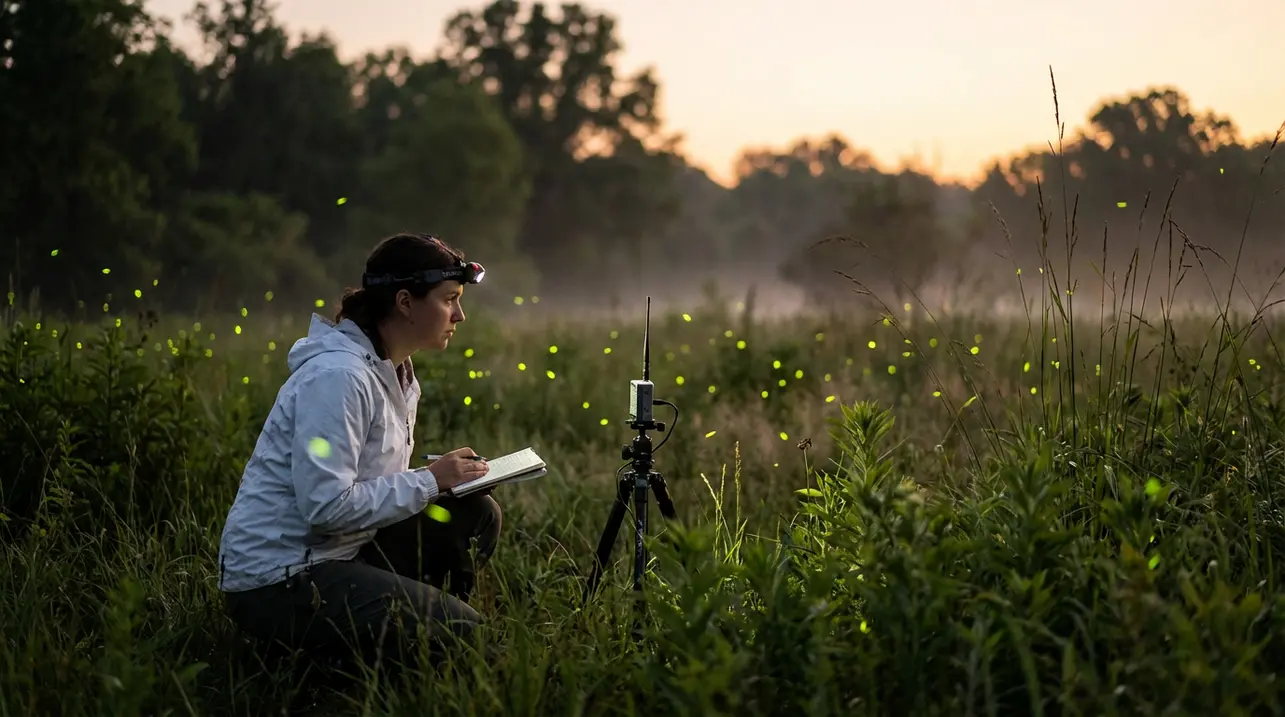
The science of how fireflies stay in sync
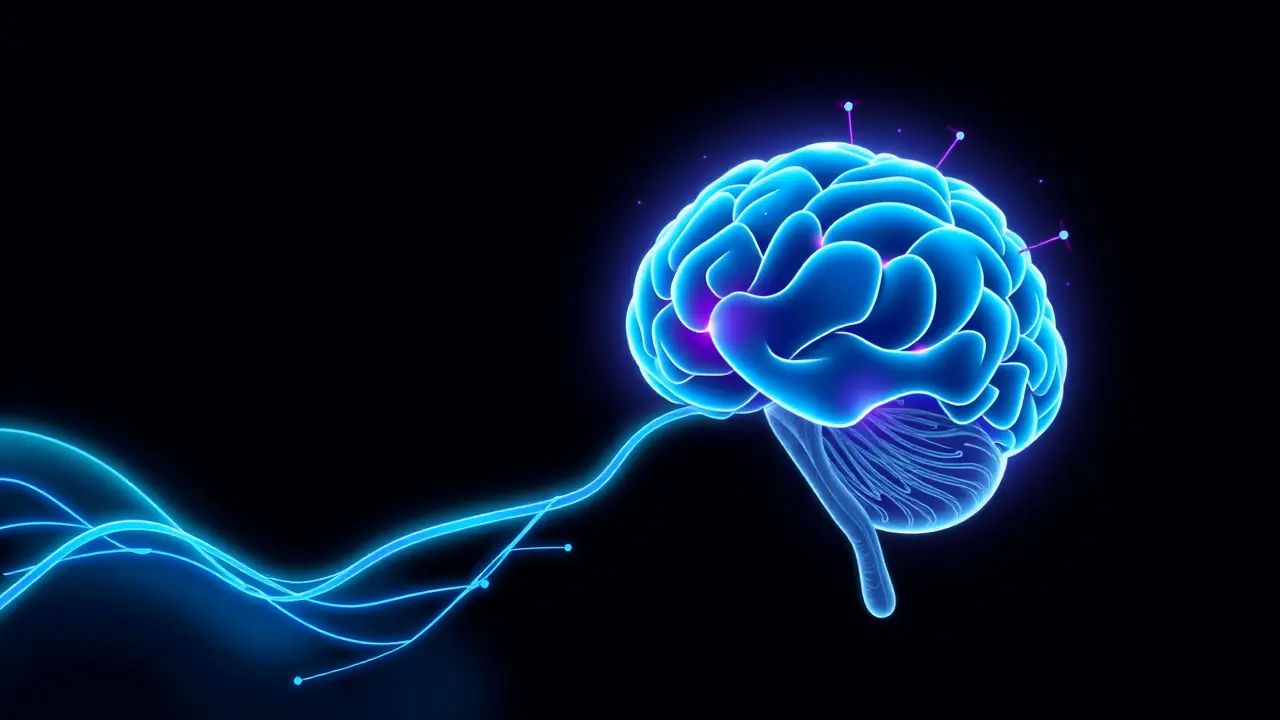
Outpoll Weekly Recap: Science (March 30 – April 5, 2026)
Outpoll Weekly Recap: Science (March 23 – 29, 2026)

Neuroscience reveals brain's sleep-like cleaning during sleep deprivation.
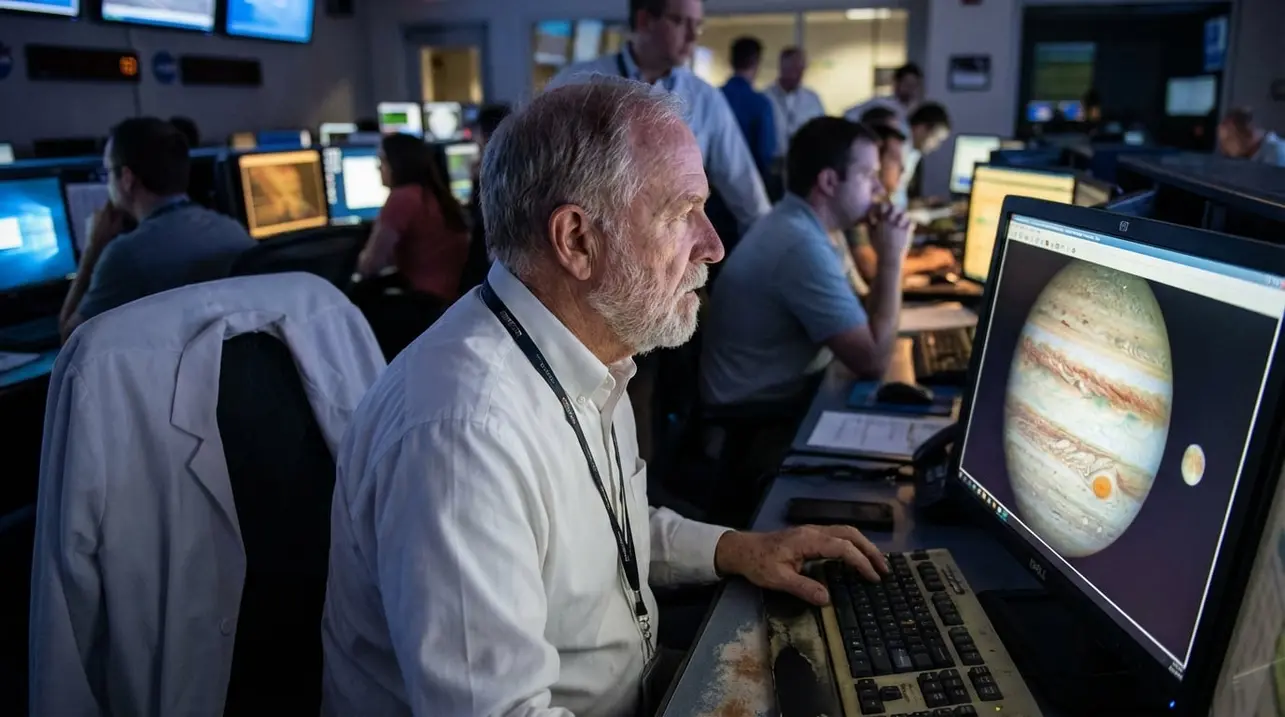
A mission NASA might kill is still returning fascinating science from Jupiter

Think You’re Too Old to Start a Business? Science Says No.
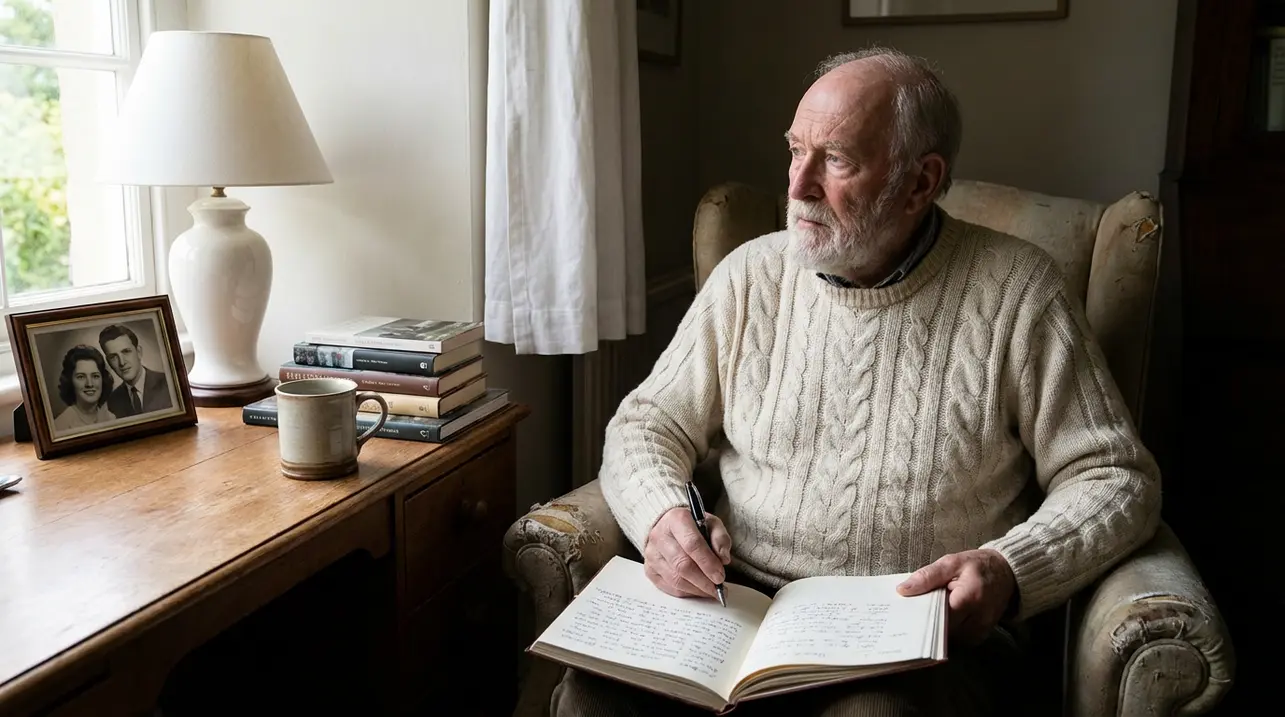
Place, Personhood, and the Hippocampus: The Fascinating Science of Magnetism, Autonoeic Consciousness, and What Makes Us Who We Are
Outpoll Weekly Recap: Science (March 16 – 22, 2026)
Outpoll Weekly Recap: Science (March 9 – 15, 2026)
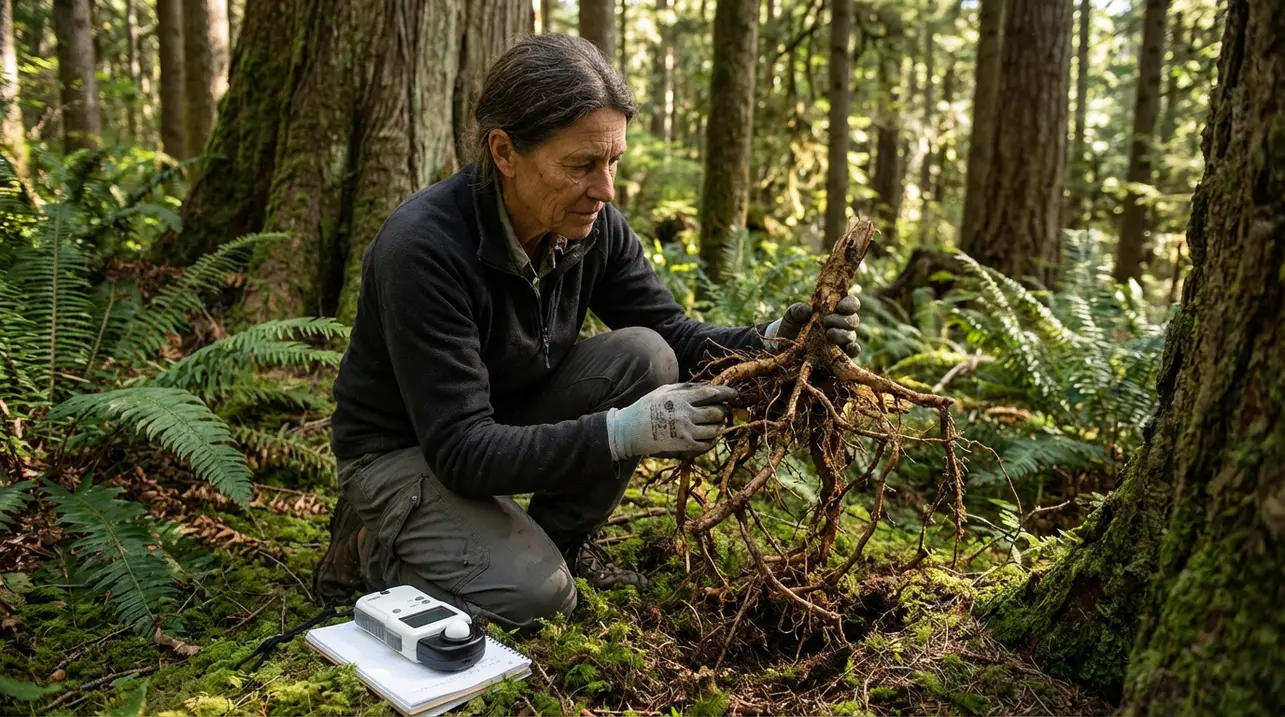
The New Science of Plant Intelligence and the Mystery of Mind

Can’t read books anymore? Neuroscience has a 5-step plan to get your focus back
Outpoll Weekly Recap: Science (March 2 – 8, 2026)
Outpoll Weekly Recap: Science (February 23 – March 1, 2026)
Outpoll Weekly Recap: Science (February 16 – 22, 2026)
