SciencemedicinePublic Health
Hong Kong public hospitals adjust emergency fees with smooth rollout.
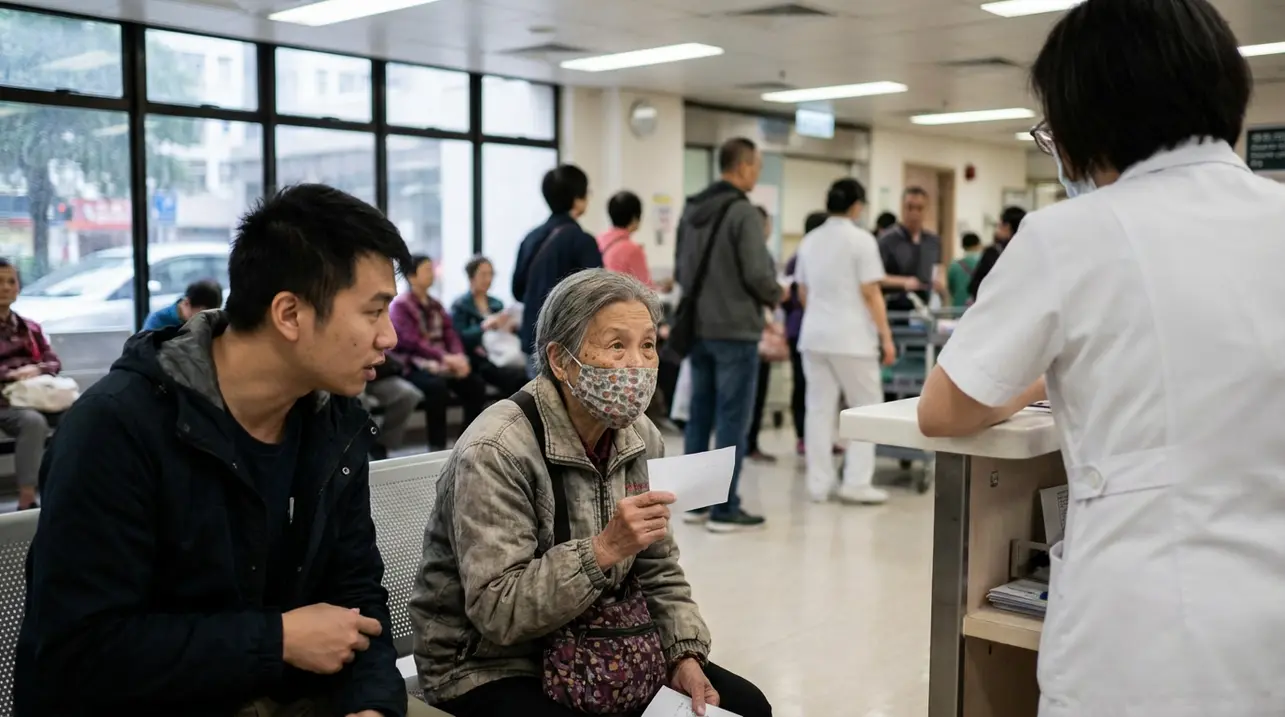
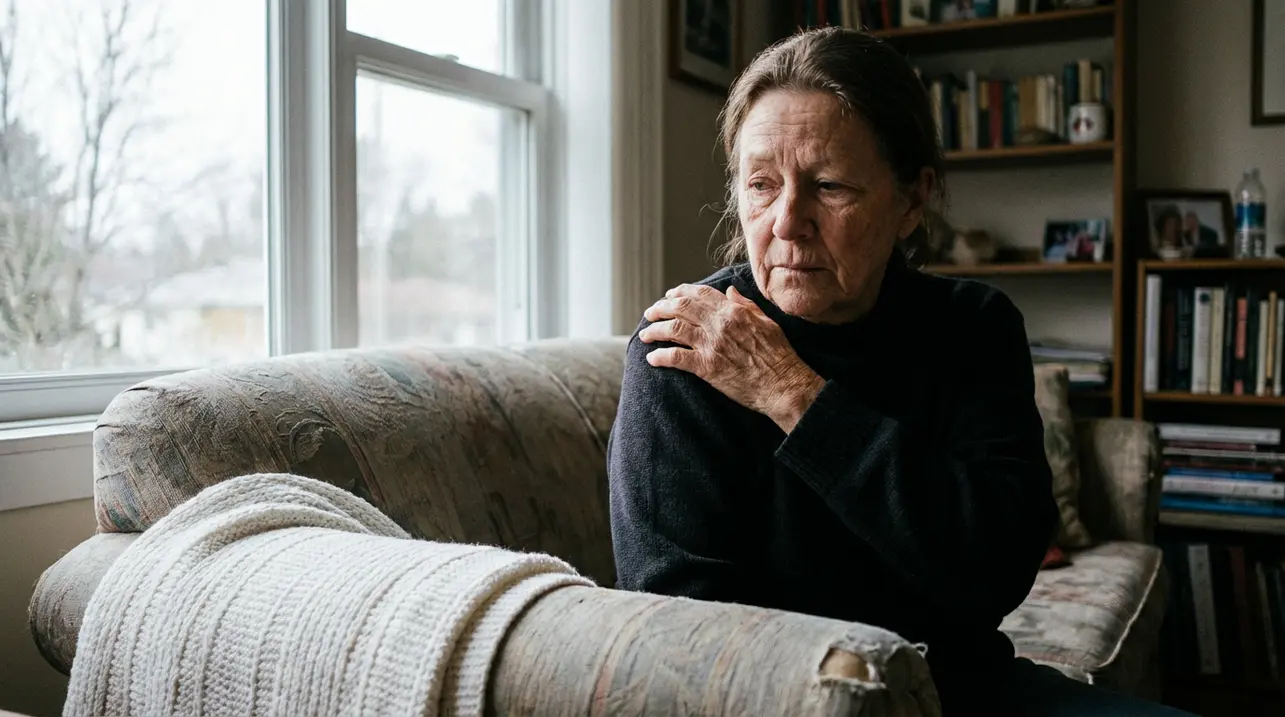
The first day of Hong Kong’s new, tiered fee system for public hospital emergency services rolled out with a deceptive calm on New Year’s Day 2026, a smooth operational veneer that masked underlying anxieties and a critical information gap for the city’s most vulnerable. As the clock struck midnight, the policy shift—long debated in legislative chambers and denounced in community forums—took effect: patients deemed to have ‘less urgent’ conditions now face a charge of HK$400 per visit, a significant jump from the previous standard fee, while those classified as critical or emergency cases continue to pay a substantially lower, subsidized rate.Hospital Authority officials reported no major disruptions, with triage nurses efficiently categorizing the morning’s influx, a testament to months of internal preparation. Yet, beneath this administrative success story, early reports from frontline NGOs and social workers revealed a troubling fissure.Members of ethnic minority communities, along with elderly residents living alone, presented at counters unaware of the new financial burden, their confusion a stark reminder that policy implementation and public comprehension are often worlds apart. This fee adjustment isn’t an isolated fiscal tweak but a deliberate move within Hong Kong’s broader, agonizing struggle to reform a public healthcare system buckling under chronic strain.For years, the Accident and Emergency departments of institutions like Queen Mary and Prince of Wales Hospital have been overwhelmed, famously clogged with patients suffering from minor ailments—coughs, fevers, minor sprains—who use the A&E as a de facto primary care clinic due to long waits for general outpatient services. The government’s logic is one of deterrence and steering; by making non-urgent care more costly, they aim to redirect patient flow, reserving precious emergency resources for true life-or-limb situations and theoretically shortening wait times for everyone.Critics, however, including the Hong Kong Doctors Union and multiple patient advocacy groups, warn of a blunt instrument that disproportionately impacts low-income families, the working poor without comprehensive insurance, and non-Chinese speaking residents who already navigate significant barriers within the system. The risk, as public health analyst Dr.Simon Lau notes, is that the fee creates a ‘chilling effect,’ where individuals delay seeking necessary medical attention for fear of cost, potentially allowing manageable conditions to escalate into genuine emergencies, thus defeating the policy’s core purpose. ‘We’ve seen this narrative play out in other systems that introduce co-payments without robust safety nets,’ Lau explains.‘The第一天’s smooth operation is a logistical victory, but the real test will be in the weeks and months to come, as people make calculated decisions about their health in their living rooms, not at the triage desk. ’ The government has touted a waiver mechanism for financially vulnerable patients, but the complexity of its application process—often requiring documentation and in-person assessments—is itself a hurdle.
#Hong Kong
#public hospitals
#emergency services
#fee increase
#minority groups
#healthcare policy
#lead focus news