Decoding the Mind's Metronome: How Your Brain's Internal Clocks Shape Thought

KE
2 days ago7 min read
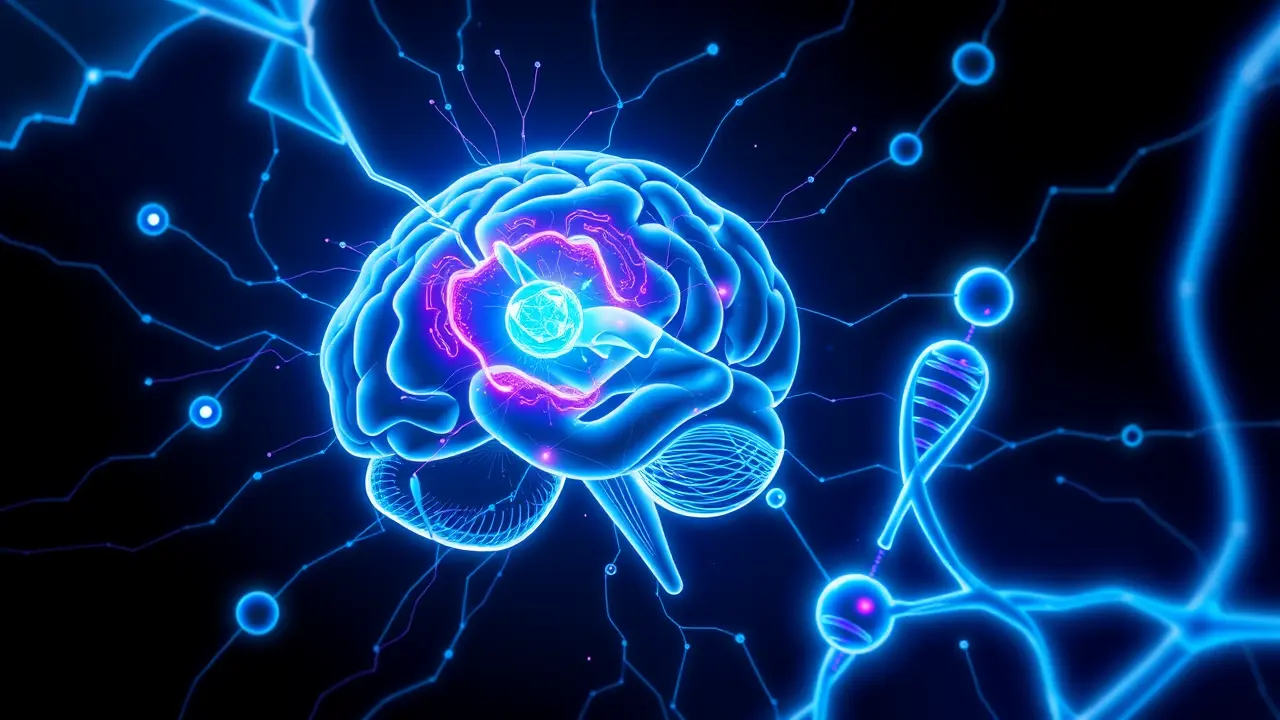
New research is revealing a hidden biological system that governs how we think. The brain doesn't operate on a single, unified clock.Instead, it functions like a symphony orchestra, where different regions keep their own distinct internal timings—from rapid bursts for sensory processing to slow, rhythmic hums for sustained focus. The groundbreaking discovery is that the brain's white matter—the fibrous connective highways—acts as a conductor, synchronizing these disparate rhythms and allowing information to flow seamlessly across different timescales.This dynamic organization is the key to cognitive fluidity. The efficiency with which the brain can switch between these orchestrated patterns dictates our ability to pivot between tasks, retrieve memories, and engage in complex thought.It explains why some minds operate with agile speed while others are more methodical. This framework bridges the long-standing gap between the brain's physical structure and the fleeting dance of neural activity that creates consciousness.The implications are profound. In medicine, it could lead to diagnosing conditions like ADHD or autism by mapping a person's unique 'neural timing signature.' Future therapies or neural interfaces might one day help retune these internal clocks to enhance cognitive resilience or aid recovery. The discovery also challenges artificial intelligence design.Current AI runs on a uniform, synchronized clock, but building systems with multiple, interacting timescales—inspired by the brain—could be the key to creating machines that think with human-like adaptability and fluidity. This research isn't just about understanding thought; it's about decoding the temporal fabric of the mind itself.
#brain timing
#cognitive processing
#white matter
#neural networks
#research
#featured
Stay Informed. Act Smarter.
Get weekly highlights, major headlines, and expert insights — then put your knowledge to work in our live prediction markets.