SciencebiologyMarine Biology
Coral reefs could feed millions if we let them rebuild
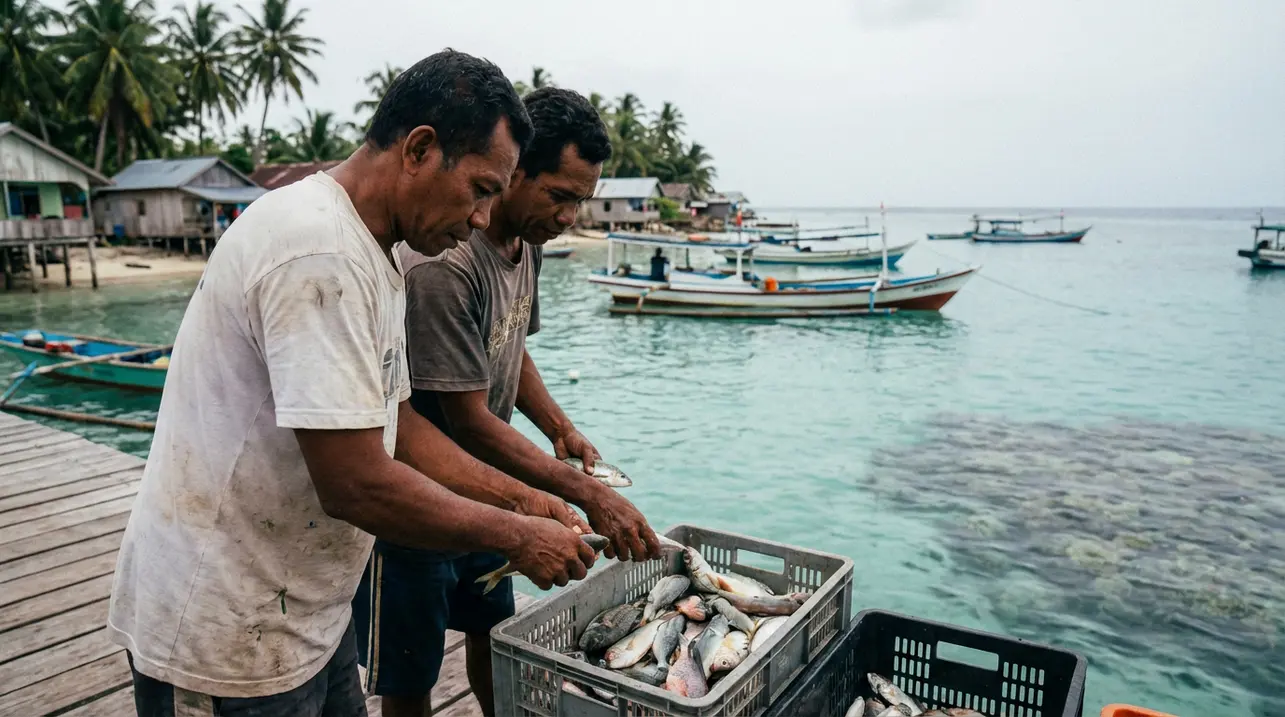
The stark reality of our planet’s coral reefs is not just an ecological tragedy; it’s a profound failure of food security policy. New research reveals a staggering missed opportunity: overfished and degraded coral reefs are producing a fraction of the food they could sustainably yield.Scientists have calculated that allowing reef fish populations to recover could boost sustainable fish catches by nearly 50%, translating to millions of additional nutritious meals on plates every single year. This isn't a distant, theoretical benefit.The nations that would gain the most are precisely those grappling with the twin scourges of high hunger and critical nutrient deficiencies—coastal communities across the Pacific Islands, Southeast Asia, East Africa, and parts of the Caribbean. For them, a healthy reef isn't a postcard; it's a lifeline, a protein-rich supermarket and a natural pharmacy rolled into one.The study, emerging from a collaboration of marine ecologists and food security experts, frames ocean conservation not as a luxury for the wealthy but as a direct, powerful tool against global malnutrition. It shifts the narrative from mere preservation to active restoration for human well-being.Historically, reefs have been treated as open-access buffets, leading to serial depletion through destructive fishing practices and sheer overexploitation, compounded by the existential threats of ocean warming and acidification. The data suggests that strategic interventions—like establishing fully protected marine reserves, enforcing science-based catch limits, and restoring critical mangrove and seagrass nursery habitats—could trigger a remarkable rebound.Fish biomass can recover, and with it, the reef's ecological function and its yield. Imagine the cascading effects: more stable local economies for fishers, improved dietary health reducing stunting and anemia in children, and greater community resilience.This approach dovetails with indigenous knowledge systems that have long understood the need for periodic reef closures, or *tabu* areas, to let the sea rest and replenish. The path forward requires a radical integration of environmental and humanitarian goals.It demands that policymakers at bodies like the UN’s Food and Agriculture Organization and during biodiversity COP meetings stop siloing ‘conservation’ and ‘hunger’ as separate portfolios. Funding for reef protection must be evaluated through this lens of nutritional return on investment.Critics might argue that with global populations rising, we should look to industrialized aquaculture, not wild fisheries, to fill the gap. But this research underscores that sustainably managed wild fish from reefs provide a low-tech, low-carbon, and culturally vital source of nutrition that industrial farms often cannot match, especially for remote communities.
#coral reefs
#overfishing
#sustainable fisheries
#food security
#ocean conservation
#climate science
#featured