Brain scans may finally end the guesswork in depression treatment
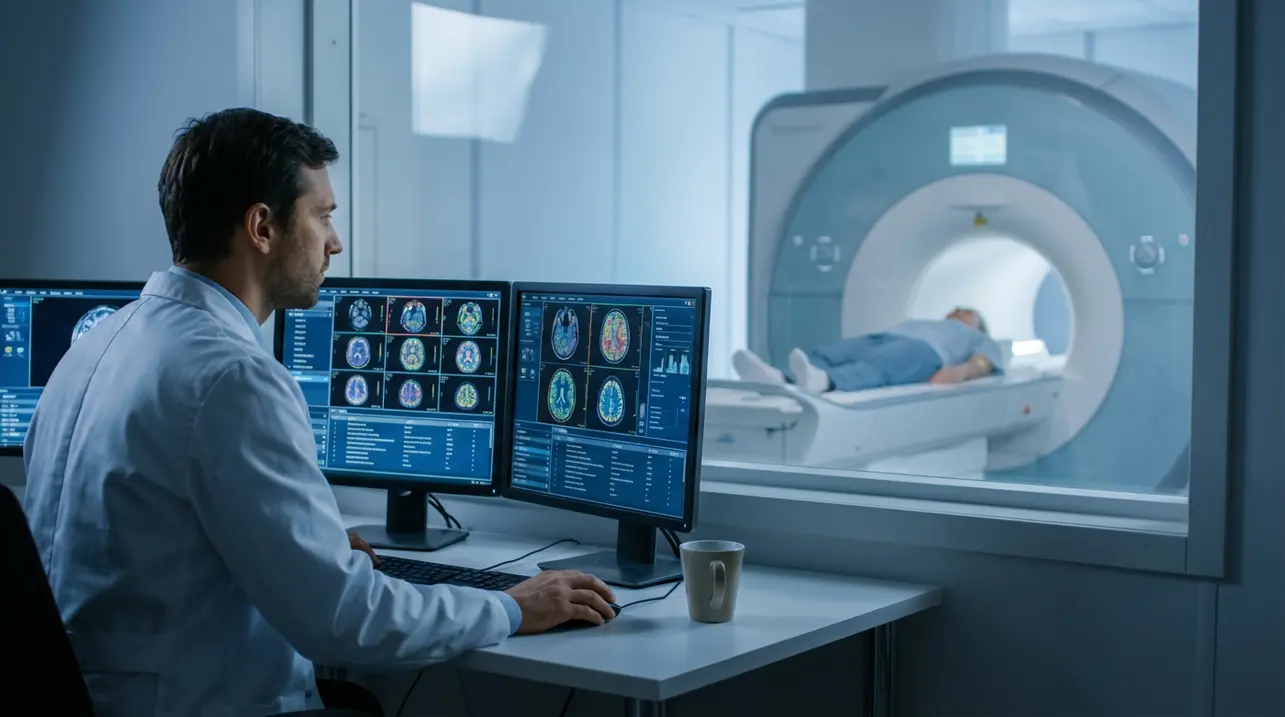
For decades, treating major depressive disorder has been a high-stakes game of trial and error, a clinical guessing game where patients often cycle through multiple medications, enduring weeks of side effects for the chance of relief. That paradigm, however, is showing its first real cracks, not from a new pharmaceutical blockbuster, but from the convergence of neuroscience and a centuries-old herbal formula.A recent, compelling study has demonstrated that brain imaging can predict which patients will respond to a specific treatment, moving psychiatry closer to the precision medicine that has revolutionized fields like oncology. The research pitted a standard Western antidepressant, the SSRI fluoxetine, against the traditional Chinese medicine Yueju Pill, and while both reduced depressive symptoms on clinical scales, a critical biological divergence emerged.Only the Yueju Pill was found to significantly elevate levels of brain-derived neurotrophic factor (BDNF), a protein famously dubbed 'Miracle-Gro for the brain' for its role in fostering neuron growth and synaptic plasticity in regions like the hippocampus, which is often shriveled in chronic depression. This finding alone challenges a simplistic East-versus-West narrative, suggesting different therapeutic pathways to the same clinical endpoint.But the true breakthrough lay in the neuroimaging. Using functional MRI, researchers identified unique patterns of brain network connectivity—particularly involving the visual processing regions—that acted as a biological signature, a pre-treatment biomarker that could predict with notable accuracy which individuals would derive the most benefit from the Yueju Pill.Think of it as a cerebral fingerprint for treatment response. This isn't merely academic; it's a seismic shift in mindset.It means that in the future, a patient could undergo a brain scan, and their psychiatrist could have data-driven insight pointing toward a medication, a specific herbal protocol, or even neuromodulation techniques like TMS, bypassing months of debilitating uncertainty. The study, likely conducted in China given the focus on Yueju, taps into a growing global interest in pharmacogenomics and biomarkers in psychiatry, but where genetic tests have offered limited predictive power for SSRIs, functional brain imaging provides a dynamic, systems-level view of the illness itself.Experts like Dr. Helen Mayberg, a pioneer in depression circuit mapping, have long argued that depression is not one disease but a final common pathway of multiple brain network failures, and this research provides elegant proof.The visual network's involvement is particularly fascinating; it hints that the anhedonia and negative cognitive bias core to depression—seeing the world in grayscale—may have a literal, detectable correlate in how the brain processes sensory information. Of course, the road from research lab to clinic is long.
#brain scans
#depression treatment
#personalized medicine
#Yueju Pill
#neuroscience research
#mental health
#featured