How Iran's Strait of Hormuz Shutdown Could Hit Global Economy
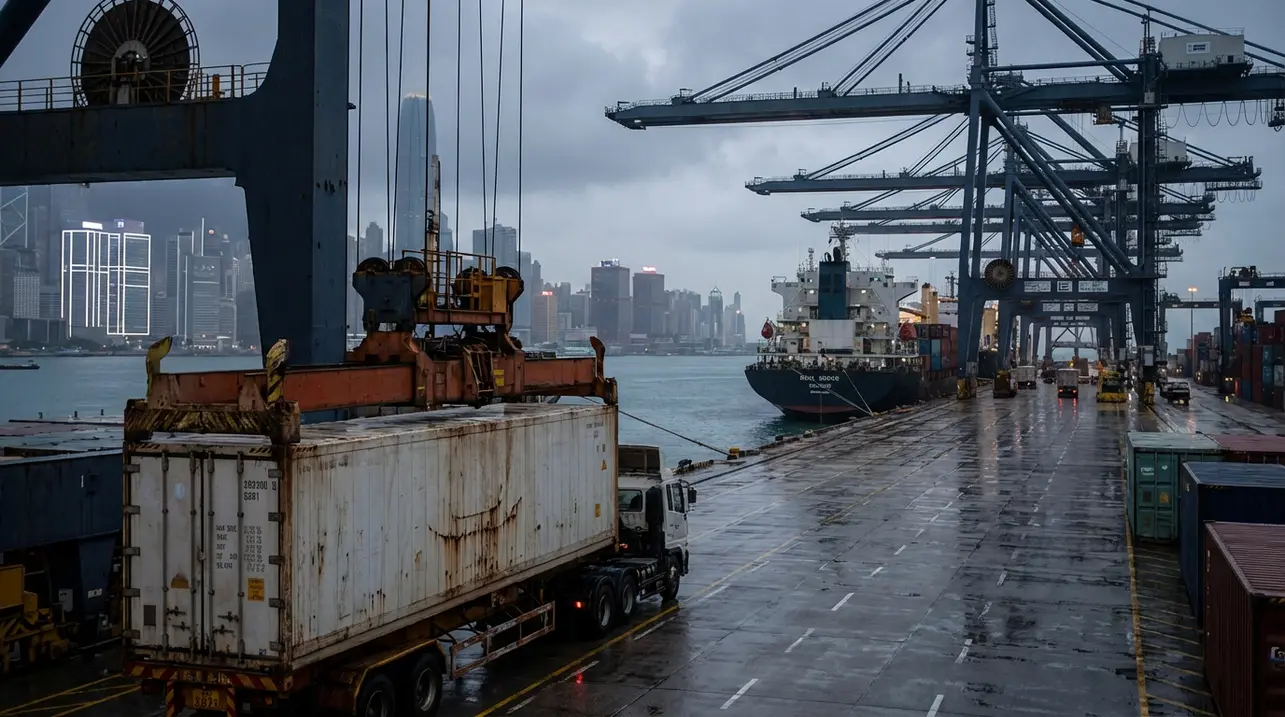
The specter of Iran shutting down the Strait of Hormuz is no longer a distant geopolitical theory but a rapidly crystallizing risk scenario that analysts are now modeling with acute urgency. This narrow waterway, a mere 21 nautical miles wide at its choke point, is the artery for roughly 20% of the world's seaborne oil and a third of its liquefied natural gas.A closure, likely triggered as an asymmetric retaliation to a Western military strike, would be an immediate and severe supply shock. Benchmark crude prices would not just spike but could skyrocket past $150 a barrel, reigniting global inflationary pressures that central banks have struggled to tame and threatening to tip fragile economies into recession.The strategic dilemma for the United States and its allies would be profound: mount a hazardous military operation to forcibly reopen the strait, a move fraught with the risk of a broader regional war, or attempt to absorb the economic blow while managing strategic stockpiles. This calculus is complicated by the divergent interests of major consuming nations like China and India, which have maintained energy ties with Tehran and would face immense domestic pressure, testing the cohesion of international alliances.History offers a grim precedent; the 'Tanker War' of the 1980s saw attacks on shipping but never a full blockade, highlighting the unprecedented scale of the current threat. The ripple effects would cascade beyond energy, disrupting global shipping lanes, inflating freight costs, and paralyzing supply chains from European factories to Asian ports. This scenario underscores a fundamental vulnerability in the globalized economy: a regional conflict can, within days, morph into a systemic worldwide crisis, exposing the fragile interdependence of markets and the limits of diplomatic deterrence.
#Iran
#Strait of Hormuz
#Global Economy
#Oil Prices
#Military Conflict
#Geopolitics
#week's picks
Stay Informed. Act Smarter.
Get weekly highlights, major headlines, and expert insights — then put your knowledge to work in our live prediction markets.