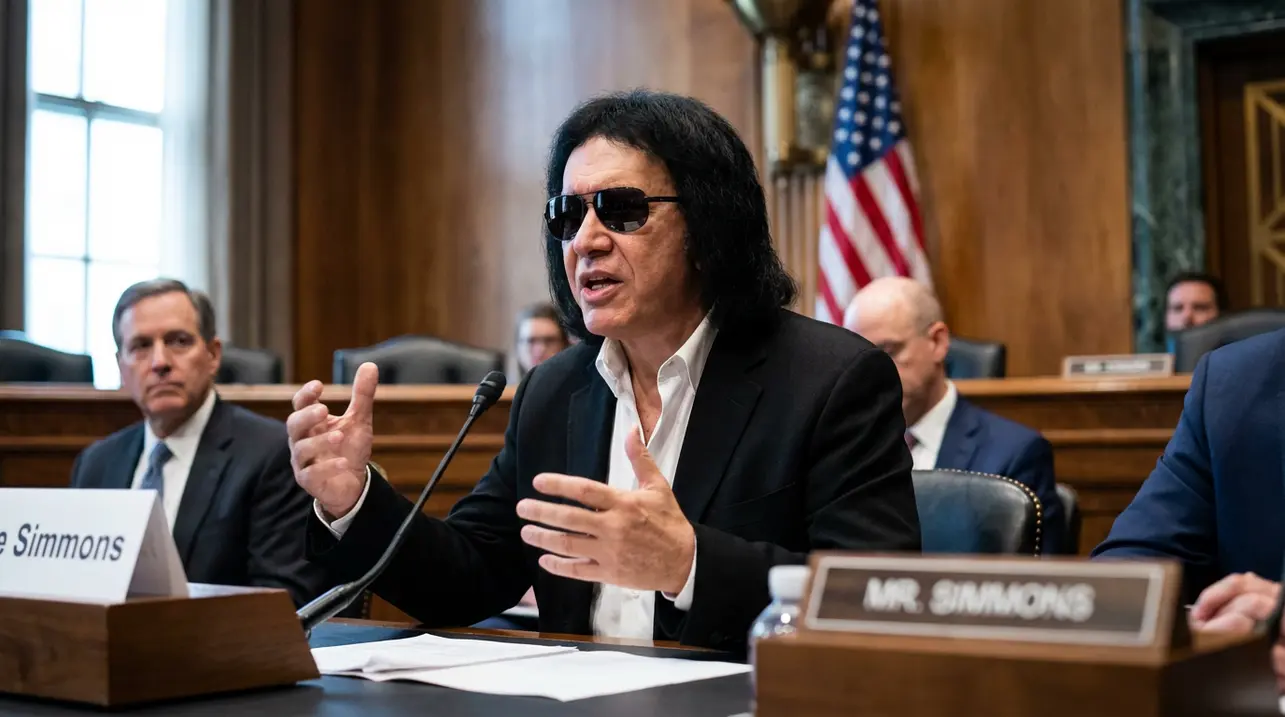
Gene Simmons Testifies to Senate on Music Fairness Act
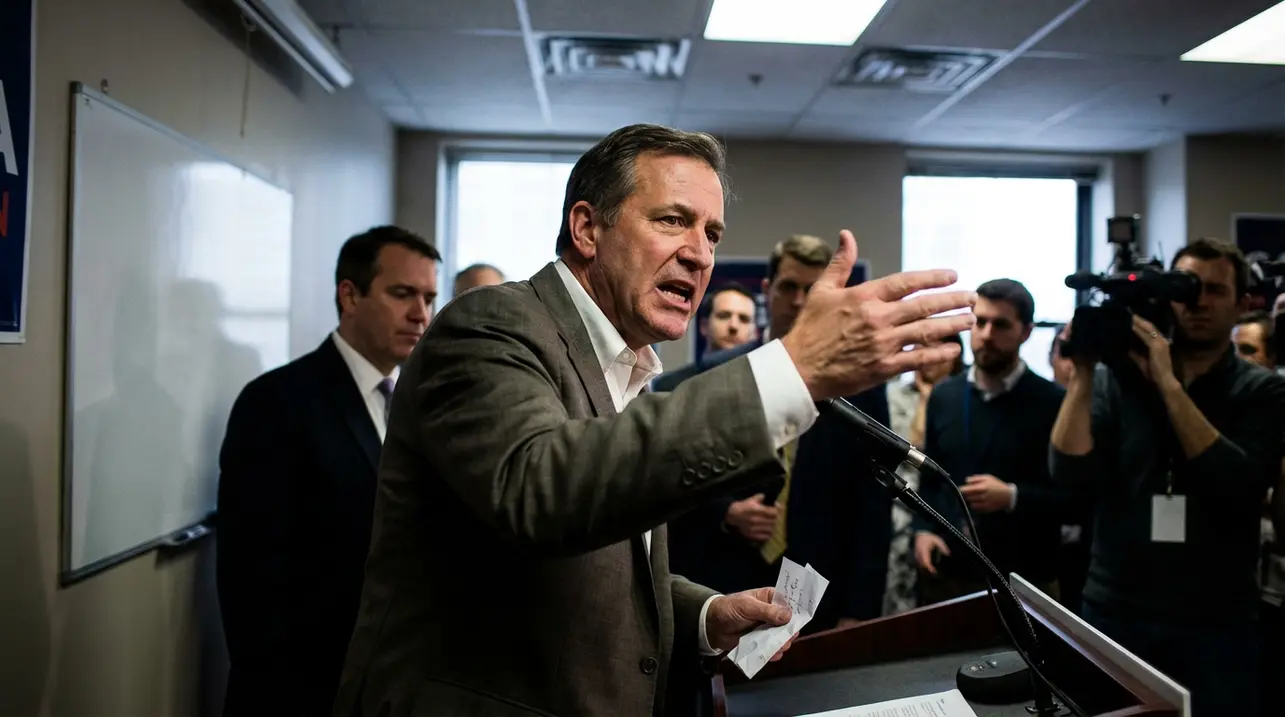
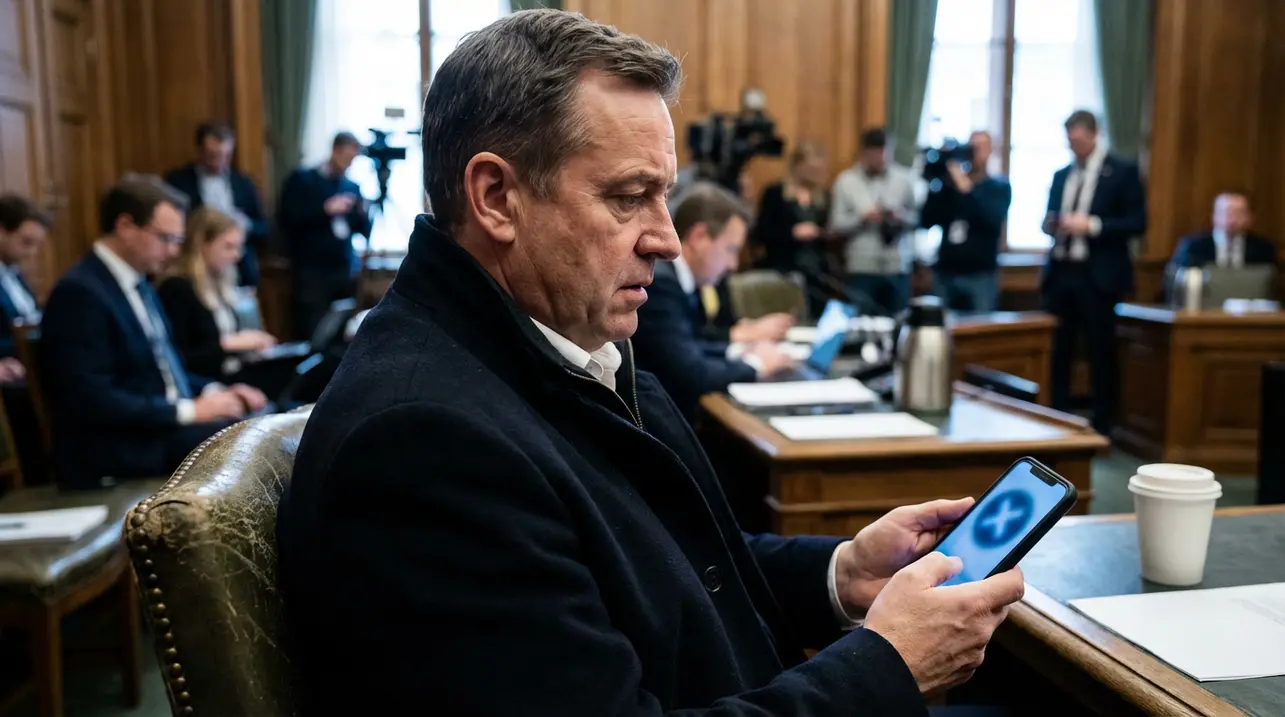
The fight for what musicians call basic fairness on American radio, a battle that has simmered for decades, found a fiery and unlikely new champion on Capitol Hill this week as KISS bassist and rock icon Gene Simmons delivered blistering testimony before a Senate Judiciary subcommittee. Appearing to advocate for the Music Fairness Act, a bill that would finally require terrestrial radio stations to pay performers—not just songwriters—for the songs they broadcast, Simmons framed the issue in stark, unflinching terms, declaring that musicians in the current system are treated “worse than slaves.” His dramatic statement, while sure to provoke debate, cuts to the heart of a profound inequity in the U. S.music industry, one that places America alongside nations like Iran and North Korea as the only holdouts not paying performance royalties to artists for AM/FM airplay. This legislative push, spearheaded by the musicFIRST coalition, isn’t new; it’s the latest chapter in a saga stretching back to the dawn of radio itself, where broadcasters have long argued that the promotional value of airplay is compensation enough, a notion that artists from David Byrne, who eloquently advocated for the Act last year, to the estates of long-deceased legends find increasingly archaic in the streaming age.The core of the conflict lies in a legal distinction: songwriters and publishers are compensated through ASCAP, BMI, and SESAC licenses when a song is played, but the performers who bring that song to life—the voices, the guitar solos, the drum fills that make a recording iconic—receive nothing from the radio giants who profit from their work. This stands in stark contrast to the digital realm, where SiriusXM, internet radio, and streaming services like Spotify do pay these royalties, creating a bizarre two-tiered system where a play on Pandora puts money in an artist’s pocket, but a spin on a powerhouse FM station does not.Broadcasters, represented by the National Association of Broadcasters (NAB), counter that the existing promotional engine of radio drives ticket sales, merchandise, and streaming, essentially providing free marketing valued in the billions, and they warn that imposing new fees could devastate smaller, local stations, particularly in rural communities. Yet, artists and their advocates point to the sheer economics: corporate radio conglomerates reap billions in advertising revenue annually by building their programming on the backs of recorded music without directly compensating the creators of that product, a model that would be unthinkable in any other industry.Simmons’s testimony, with its provocative historical analogy, aimed to shatter any complacency around this status quo, forcing lawmakers to see the issue not as a complex licensing dispute but as a fundamental question of rights and dignity. The potential consequences of the Act are far-reaching; passage would unlock a new revenue stream for legacy artists whose classic hits remain radio staples but who see little from those endless replays, and for session musicians—the unsung heroes on countless records—who often rely on these royalties for retirement security.
#Gene Simmons
#Music Fairness Act
#radio royalties
#artist compensation
#Senate testimony
#featured