

- News
- Politics
- EU Enforcement of Digital Markets Act Sets Stage for Billion-Dollar Fines on Apple, Google, and Meta
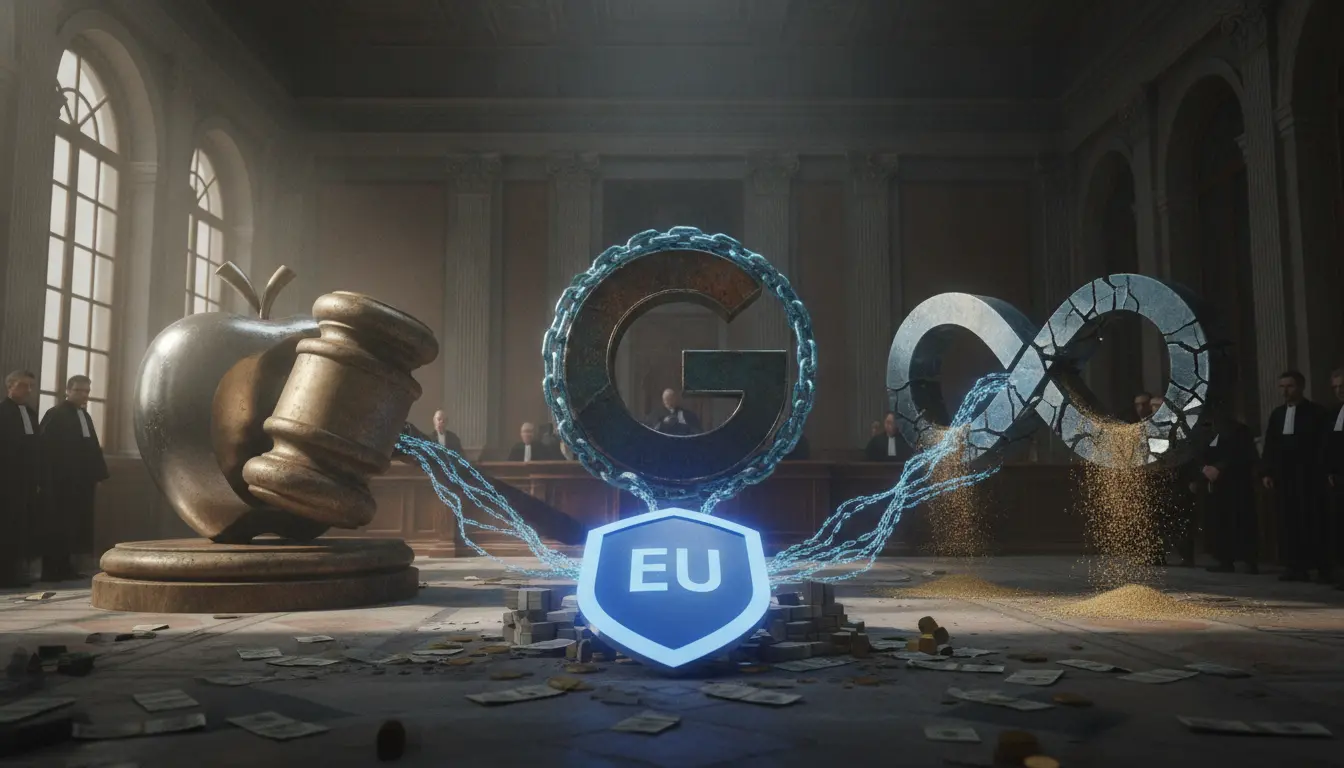
EU Enforcement of Digital Markets Act Sets Stage for Billion-Dollar Fines on Apple, Google, and Meta
The European Union is advancing toward potentially imposing multi-billion dollar fines on major technology companies, including Apple, Google (Alphabet), and Meta Platforms, under its landmark Digital Markets Act (DMA). Investigations are well underway, signaling a critical juncture in the EU's efforts to curb the market power of so-called "gatekeepers" and foster fairer digital competition. The anticipated penalties, which could collectively exceed a billion dollars, underscore the bloc's resolve to reshape the digital landscape and ensure compliance with its ambitious new regulatory framework.
Introduced to address concerns over entrenched anti-competitive practices by dominant online platforms, the DMA came into full effect earlier this year, designating a select group of tech giants as "gatekeepers" based on their substantial impact on the internal market, significant provision of a core platform service, and an entrenched and durable position. This status imposes stringent obligations on these companies, forcing them to open up their services, ensure interoperability with third-party offerings, and refrain from self-preferencing their own products and services over those of competitors. The legislation aims to prevent these platforms from unfairly leveraging their market position to disadvantage smaller rivals and limit consumer choice across crucial digital services like app stores, search engines, social media, and messaging services.
Each of the designated gatekeepers, including Apple, Google, and Meta, has been under intense scrutiny, with the European Commission initiating formal investigations into their compliance with specific DMA provisions. For Apple, concerns center on its App Store policies, particularly the fees charged to developers and restrictions on alternative payment systems, as well as limitations on third-party app distribution outside its controlled ecosystem. Google faces probes related to its search engine dominance, advertising practices, and the Android operating system's default settings, which critics argue steer users towards Google's own services. Meta is being examined for its data usage practices across its platforms, including Facebook, Instagram, and WhatsApp, and how it might be leveraging this vast data aggregation to maintain its competitive edge and potentially restrict rivals. The complexity of these digital ecosystems means that assessing compliance is a multifaceted and often contentious process, requiring deep dives into technical implementations and intricate business models.
The European Commission, acting as the primary enforcement body, possesses significant powers under the DMA. Should non-compliance be confirmed following its investigations, it can impose fines reaching up to 10% of a company's total global annual turnover. For repeat offenders, this penalty can escalate to 20%. Such figures translate into billions of dollars for companies like Apple, Google, and Meta, whose global revenues run into the hundreds of billions annually. The investigative process typically involves extensive data requests, interviews with stakeholders, and detailed analyses of the companies' submitted compliance reports. Once a preliminary finding of non-compliance is made, the companies are given an opportunity to respond before a final decision and potential fine are issued. This structured legal process ensures a degree of due diligence, though it does not preclude lengthy legal challenges and appeals from the affected tech giants.
Beyond the immediate financial penalties, these potential fines carry profound implications for the global tech industry. They solidify the EU's reputation as a leading global regulator of digital markets, potentially inspiring similar legislative initiatives in other jurisdictions. Companies designated as gatekeepers are being forced to fundamentally rethink their business models and operational strategies within the European market, potentially leading to significant shifts in how they interact with developers, advertisers, and users worldwide. The outcome of these investigations and any subsequent enforcement actions will not only determine the immediate financial cost for the tech giants but also set critical precedents for how digital services are offered and consumed globally, fostering a more open and competitive digital environment, or, conversely, facing accusations of stifling innovation and imposing overly burdensome regulatory demands.
As the European Commission continues its diligent work, the tech world watches closely for the unfolding developments. The expectation of substantial fines by the EU reflects a determined effort to enforce the spirit and letter of the Digital Markets Act, sending an unequivocal message that market dominance must not come at the expense of fair competition and consumer choice. The repercussions of these rulings will undoubtedly echo across boardrooms and regulatory bodies globally, shaping the future of digital commerce and innovation for years to come.
Stay Informed. Act Smarter.
Get weekly highlights, major headlines, and expert insights — then put your knowledge to work in our live prediction markets.
Related News
EU Prepares for Potential Break-Up Orders Against Major Tech Firms by 2026

Apple Navigates Complexities of Foldable iPhone Development Ahead of Anticipated 2026 Market Entry

Google Accelerates AI Development, Anticipates Gemini 3.5 Pro Model

Goldman Sachs Advances Digital Asset Strategy with Planned NEOS Acquisition

CME chief executive says company plans to sue CFTC after perpetual futures approval
Washington Judge Orders Prediction Market Platform Kalshi to Cease Specific Offerings Deemed Wagers

The EU needs to back its ambition to end animal testing with cash

Citi Readies Launch of Institutional Bitcoin Custody Services, Bolstering Mainstream Financial Integration

Democratic Party Poised for Vigorous 2028 Presidential Nomination Contest

Matthew McConaughey-Woody Harrelson Comedy ‘Brothers’ Gets Apple TV Premiere Date