

- News
- Science
- Apple Navigates Complexities of Foldable iPhone Development Ahead of Anticipated 2026 Market Entry
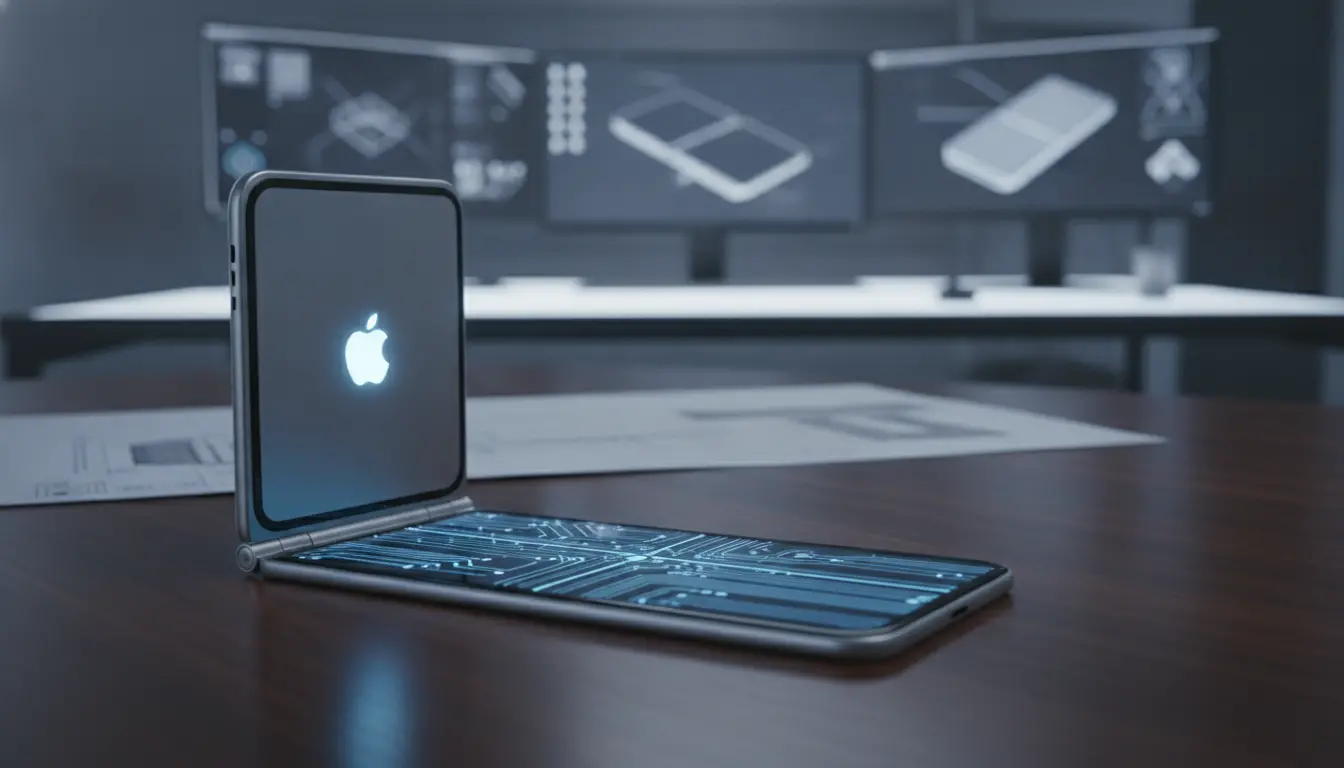
Apple Navigates Complexities of Foldable iPhone Development Ahead of Anticipated 2026 Market Entry
Cupertino, CA – Apple is reportedly accelerating its efforts in the foldable smartphone sector, a move that could significantly reshape the premium device market. Decades of research and development culminate amidst persistent industry whispers suggesting a formal announcement and market launch could materialize before the close of 2026. This potential entry into the nascent yet rapidly growing foldable segment marks a pivotal strategic juncture for the tech giant, which historically prefers to perfect technologies before introducing them to its vast global consumer base, rather than being an early adopter.
The foldable smartphone market has seen remarkable growth and innovation since its inception, with pioneers like Samsung, Huawei, and Motorola introducing various form factors. While early iterations faced challenges related to durability and high price points, continuous advancements in display technology, hinge mechanisms, and software optimization have led to more robust and appealing devices. These early movers have carved out a niche, demonstrating consumer appetite for flexible screens that offer both tablet-like utility and pocketable convenience. Apple's deliberate pace stands in stark contrast to its competitors, who have iterated through several generations of foldable devices, gaining valuable insights into manufacturing processes, supply chain management, and user experience with this novel technology.
Apple's cautious approach is deeply ingrained in its product philosophy. The company rarely rushes to market with unproven technologies, instead dedicating extensive resources to perfecting design, materials, and user interfaces to meet its exacting standards. For a foldable iPhone, this involves overcoming formidable engineering challenges, including developing ultra-durable flexible displays, crafting a seamless and reliable hinge mechanism that can withstand hundreds of thousands of folds, and optimizing iOS to flawlessly adapt to varying screen orientations and sizes. Patents filed by Apple over the years reveal ongoing exploration into a multitude of foldable designs and display technologies, signaling a comprehensive internal research program aimed at solving these complex technical hurdles without compromising the premium user experience Apple is renowned for.
Industry analysts and supply chain observers have closely monitored Apple’s moves, with various reports detailing potential component suppliers and internal project codenames. There’s a widespread belief that Apple aims to deliver a product that sets new benchmarks for durability and integration, avoiding the early pitfalls faced by some competitors. The company's unique leverage with its supply chain partners, particularly in display technology and specialized materials, allows it to push for bespoke solutions that may not be available to other manufacturers. The sheer scale of Apple’s potential market entry also means its eventual foldable device will likely come with significant investment in advanced manufacturing techniques to ensure mass production capability and consistent quality.
This strategic foray into foldables carries significant implications for Apple's long-term market position. While the iPhone continues to be a dominant force, the smartphone market is maturing, and innovation in traditional slab phones is becoming incremental. A successful foldable iPhone could reignite consumer excitement, attract new users, and provide a substantial upgrade cycle for existing customers, bolstering Apple's revenue streams in the fiercely competitive premium segment. It also allows Apple to maintain its image as a leading innovator, demonstrating its capacity to push the boundaries of mobile technology beyond conventional designs.
The stakes are high, not just for Apple, but for the entire consumer electronics industry. A high-quality, fully realized foldable iPhone from Apple would undoubtedly legitimize the category further, potentially accelerating broader adoption and prompting other manufacturers to redouble their efforts. The integration of such a device into Apple's formidable ecosystem, complete with its App Store, services, and seamless hardware-software synergy, would present a compelling proposition that competitors would struggle to match. The market eagerly anticipates an official unveiling, keenly aware that Apple’s entry into this segment will likely redefine expectations for the next generation of mobile computing.
As the tech world looks towards Apple's future product cycles, the question is not if, but when, the company will officially lift the veil on its interpretation of the foldable smartphone. The meticulous nature of its development suggests that whenever it arrives, a foldable iPhone will be a product refined to meet the elevated expectations of its discerning user base and a significant statement on the future direction of personal technology.
Stay Informed. Act Smarter.
Get weekly highlights, major headlines, and expert insights — then put your knowledge to work in our live prediction markets.
Related News

Google Accelerates AI Development, Anticipates Gemini 3.5 Pro Model

EU Prepares for Potential Break-Up Orders Against Major Tech Firms by 2026

EU Enforcement of Digital Markets Act Sets Stage for Billion-Dollar Fines on Apple, Google, and Meta

Democratic Party Poised for Vigorous 2028 Presidential Nomination Contest

Matthew McConaughey-Woody Harrelson Comedy ‘Brothers’ Gets Apple TV Premiere Date

Citi Readies Launch of Institutional Bitcoin Custody Services, Bolstering Mainstream Financial Integration

Goldman Sachs Advances Digital Asset Strategy with Planned NEOS Acquisition

Will the Trump Administration formally shift the oversight of the Education Department's Office for Civil Rights to another federal agency by September 30, 2026?

Zohran Mamdani's Growing Clout Reshapes Progressive Landscape Ahead of 2028 Presidential Race

Japanese corporate pension fund plans 1% crypto allocation: Nikkei