


US Labor Market at a Crossroads as Economists Debate Pace of Post-Pandemic Normalization
WASHINGTON – After years of unprecedented volatility and supercharged growth, the U.S. labor market is entering a new, more uncertain phase. The blistering pace of hiring that defined the post-pandemic recovery has given way to a steady, deliberate cooling, leaving economists and policymakers to decipher whether this slowdown is a gentle glide toward a sustainable equilibrium or the precursor to a more turbulent economic downturn. Central to this debate is the monthly Non-Farm Payrolls (NFP) report, a critical economic barometer whose future readings are now the subject of intense speculation and analysis.
For months, the narrative has been one of remarkable resilience. Despite the Federal Reserve's aggressive campaign of interest rate hikes aimed at taming inflation, the jobs market consistently defied expectations, adding hundreds of thousands of positions month after month. This strength, while a boon for workers who saw significant wage gains and abundant opportunities, became a primary concern for the central bank. A perpetually tight labor market was seen as a key driver of persistent price pressures, forcing the Fed to maintain a hawkish stance. Now, however, the landscape is shifting, with recent data suggesting the cumulative effects of tighter monetary policy are finally taking hold.
Signs of this normalization are becoming clearer. Job openings, while still high by historical standards, have trended downward from their peak. The rate of people voluntarily quitting their jobs—a key indicator of worker confidence—has receded to pre-pandemic levels. Furthermore, while headline job growth remains positive, the gains are becoming more concentrated in specific sectors like healthcare and government, while industries more sensitive to interest rates, such as manufacturing and construction, have shown signs of stagnation or contraction. This gradual moderation is precisely what the Federal Reserve has been aiming for in its quest for a "soft landing," an economic scenario where inflation returns to its 2% target without triggering a widespread recession and mass layoffs.
The key threshold watched by many market participants and economists is the 100,000 jobs-per-month mark. This level is generally considered the breakeven point necessary to absorb new entrants into the labor force due to population growth. A sustained period of job creation below this figure would signal that the labor market is no longer expanding but actively contracting, likely leading to a noticeable rise in the unemployment rate. Such a development would fundamentally alter the economic outlook, almost certainly forcing the Federal Reserve to pivot from fighting inflation to stimulating growth, likely through interest rate cuts.
However, the path to such a slowdown is fraught with variables and competing forces. On one hand, persistent inflation in the services sector, coupled with ongoing geopolitical uncertainties, could compel the Fed to keep rates higher for longer, increasing the risk of an over-correction that pushes the economy into a recession. Consumer balance sheets, though strained by inflation, have remained surprisingly robust, potentially extending the period of moderate growth. On the other hand, the full impact of past rate hikes may still be working its way through the economy, suggesting a further slowdown is almost inevitable.
As the nation navigates this complex transition, each monthly employment report from the Bureau of Labor Statistics will be scrutinized not just for its headline number, but for its nuances—wage growth, labor force participation, and revisions to previous months' data. The coming years will test the Fed’s ability to guide the economy through this delicate rebalancing act. The difference between a controlled cooling that stabilizes the economy and a sharp downturn that reverses years of progress hangs in the balance, with the trajectory of the American jobs market serving as the ultimate arbiter.
Stay Informed. Act Smarter.
Get weekly highlights, major headlines, and expert insights — then put your knowledge to work in our live prediction markets.
Related News

Analysts Project Persistent Tightness in US Labor Market Through Mid-2020s

Federal Reserve's Long Game: Navigating the Thorny Path to Sub-3% Inflation
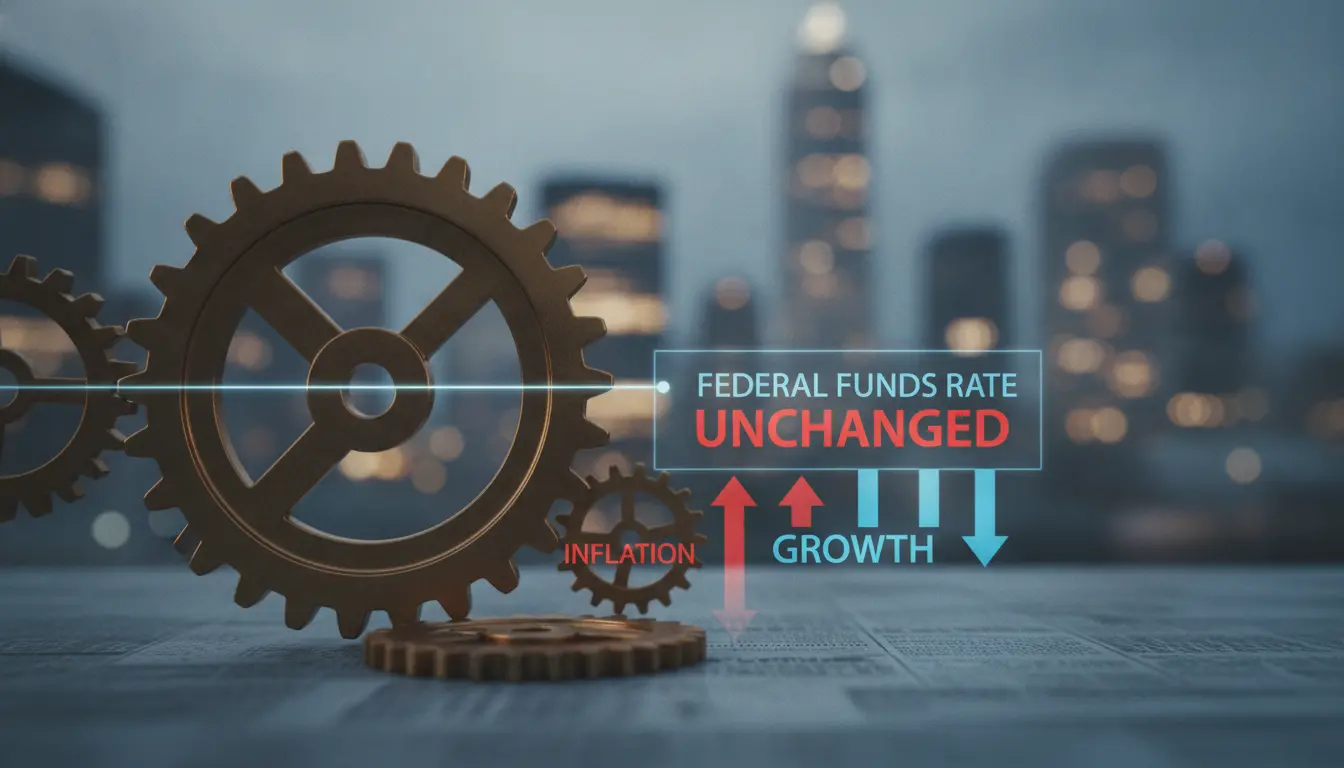
Federal Reserve Holds Key Interest Rate Steady Amidst Economic Uncertainty

Widening US Trade Deficit Projected to Surpass $90 Billion by July 2026

California Confronts Persistent Threat of Destructive Major Earthquakes
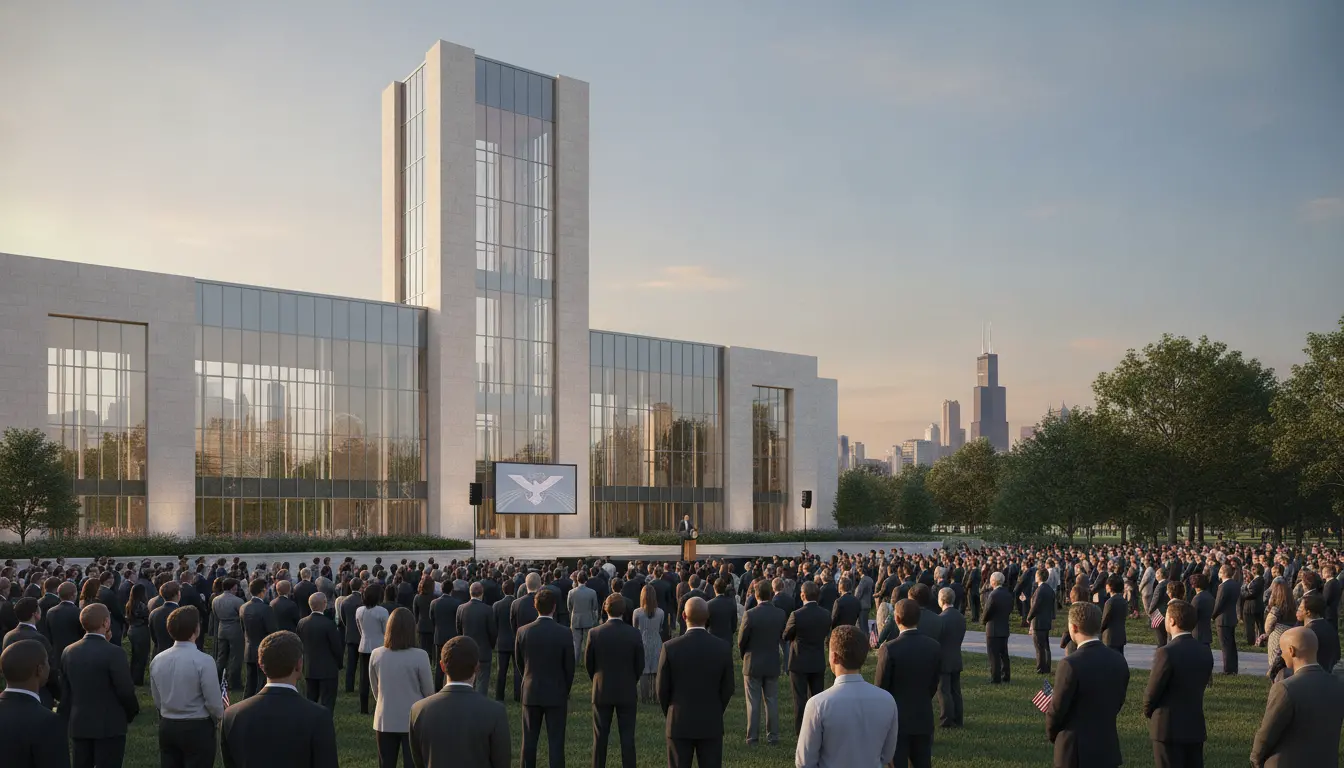
Barack Obama Opens Presidential Center By Calling Out “Perpetual Anger And Division”; Ceremony Focuses On Legacy And Doesn’t Mention Trump

Jürgen Klopp Set to Take Germany Helm in Bold Move for National Team Revival
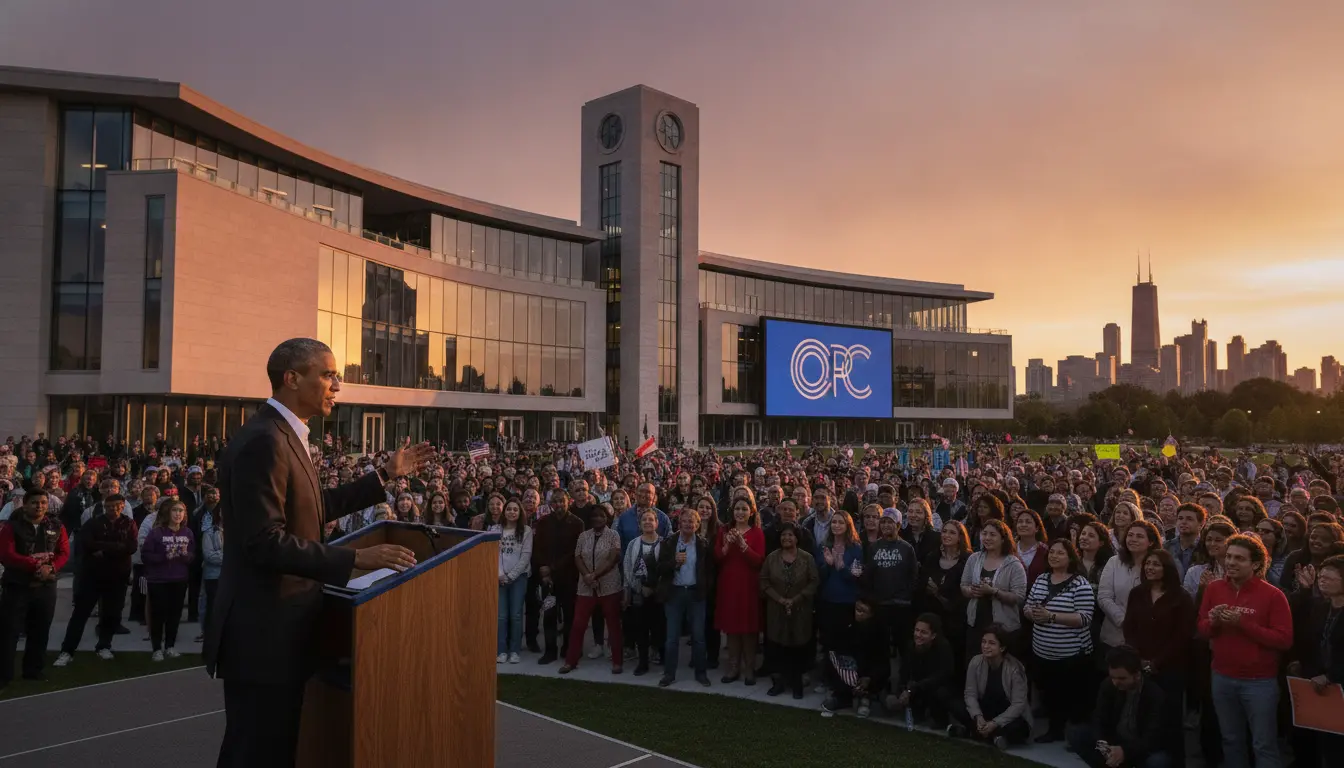
Barack Obama Opens Presidential Center By Calling Out Perpetual Anger And Division; Ceremony Focuses On Legacy And Doesn’t Mention Trump

Vuelta a Burgos 2026 Poised to Shape Vuelta a España Contender Landscape

Celebrity Presence At Obama Presidential Center Opening Gives A Reminder Of Hollywood’s Embrace Of 44: “A-Listers All Over The Place”