


Federal Reserve's Long Game: Navigating the Thorny Path to Sub-3% Inflation
WASHINGTON – After a period of aggressive monetary tightening that successfully reined in the highest inflation in four decades, the U.S. Federal Reserve now faces a more nuanced and protracted challenge: guiding the economy toward its long-term price stability goal. While the peak of the inflationary crisis has passed, the journey to get the Consumer Price Index (CPI) sustainably below 3%—a key psychological and economic milestone on the way to the central bank's official 2% target—is proving to be a complex battle against stubborn economic forces, with the timeline stretching well into the coming years.
The central bank's campaign, which began in March 2022, involved one of the most rapid series of interest rate hikes in its history, lifting the federal funds rate from near zero to over 5%. This decisive action worked as intended, cooling a super-heated economy by increasing borrowing costs for businesses and consumers alike. The initial results were dramatic. Headline inflation, which peaked above 9% in mid-2022, has fallen significantly as supply chains untangled, energy prices stabilized, and demand for goods moderated. This initial success, however, represented the low-hanging fruit in the fight against inflation.
Now, policymakers and economists are focused on the so-called "last mile," which is proving far more arduous. The primary obstacle is the persistence of services inflation, which is less sensitive to interest rate hikes than goods prices. Key components, such as shelter costs, insurance, and medical services, remain elevated. This stickiness is closely tied to the resilient labor market. Despite the higher rates, unemployment has remained historically low, leading to robust wage growth. While beneficial for workers, this sustained wage pressure can feed directly into higher prices for services, creating a challenging feedback loop for the Fed to break without causing significant damage to employment.
Federal Reserve Chair Jerome Powell and other members of the Federal Open Market Committee (FOMC) have repeatedly emphasized a "data-dependent" approach, signaling that they are in no rush to declare victory or begin cutting interest rates prematurely. The fear is that easing policy too soon could allow inflationary pressures to re-ignite, undoing the hard-won progress and damaging the central bank's credibility. This cautious stance means maintaining a restrictive monetary policy—keeping rates "higher for longer"—until there is clear and convincing evidence that inflation is on a firm downward trajectory toward the 2% target. This delicate balancing act requires navigating the dual risks of either failing to quell inflation or tightening too much and tipping the economy into a recession.
The outlook among economists for the path to 2026 is increasingly divergent. Optimists point to the ongoing normalization of the economy, believing that as rent disinflation works its way through the official data and the labor market gradually cools, inflation will continue its slow descent toward the target. This scenario envisions a coveted "soft landing," where price stability is achieved without a major economic downturn. However, a more skeptical camp warns that structural factors, including geopolitical instability affecting commodity prices, shifting global trade patterns, and domestic fiscal policy, could keep inflation stubbornly above the Fed's goal.
Ultimately, whether the U.S. can achieve sub-3% inflation by the middle of 2026 will depend on a constellation of factors. The Fed's policy decisions will remain paramount, but external shocks and domestic economic resilience will play equally critical roles. The coming months of data on employment, consumer spending, and price indices will be scrutinized intensely for clues about the underlying momentum of the economy. For now, the Federal Reserve is engaged in a patient, long-term strategy, fully aware that the final stage of its inflation fight may be the most difficult and unpredictable.
Stay Informed. Act Smarter.
Get weekly highlights, major headlines, and expert insights — then put your knowledge to work in our live prediction markets.
Related News
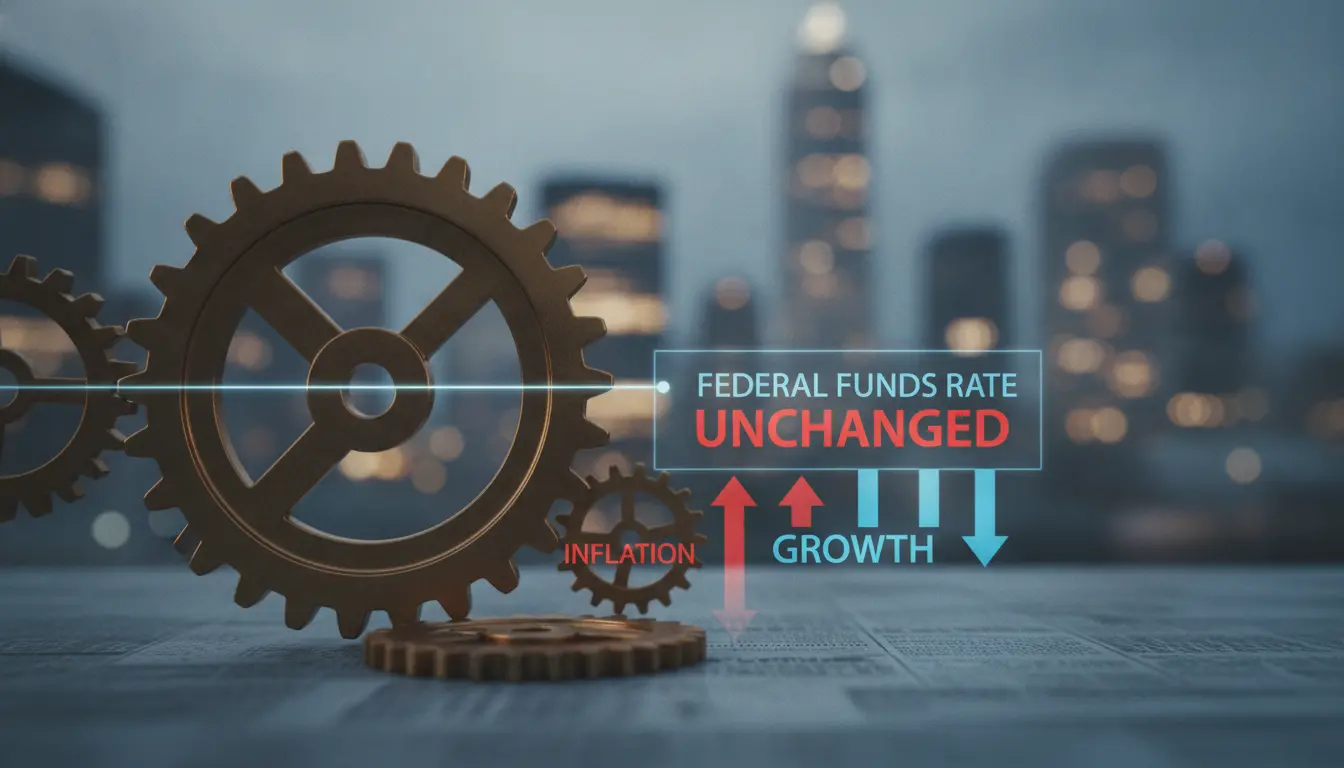
Federal Reserve Holds Key Interest Rate Steady Amidst Economic Uncertainty

Analysts Project Persistent Tightness in US Labor Market Through Mid-2020s

US Labor Market at a Crossroads as Economists Debate Pace of Post-Pandemic Normalization
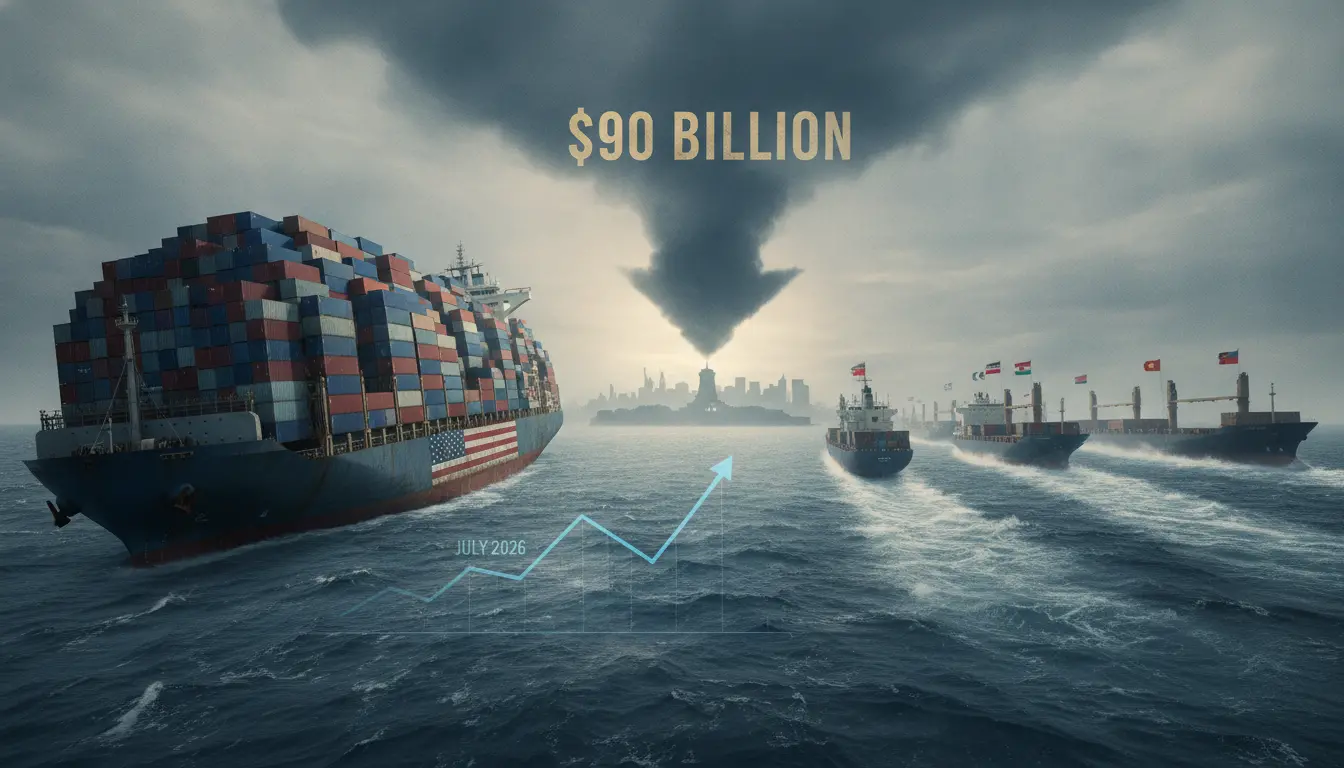
Widening US Trade Deficit Projected to Surpass $90 Billion by July 2026

California Confronts Persistent Threat of Destructive Major Earthquakes

Barack Obama Opens Presidential Center By Calling Out “Perpetual Anger And Division”; Ceremony Focuses On Legacy And Doesn’t Mention Trump
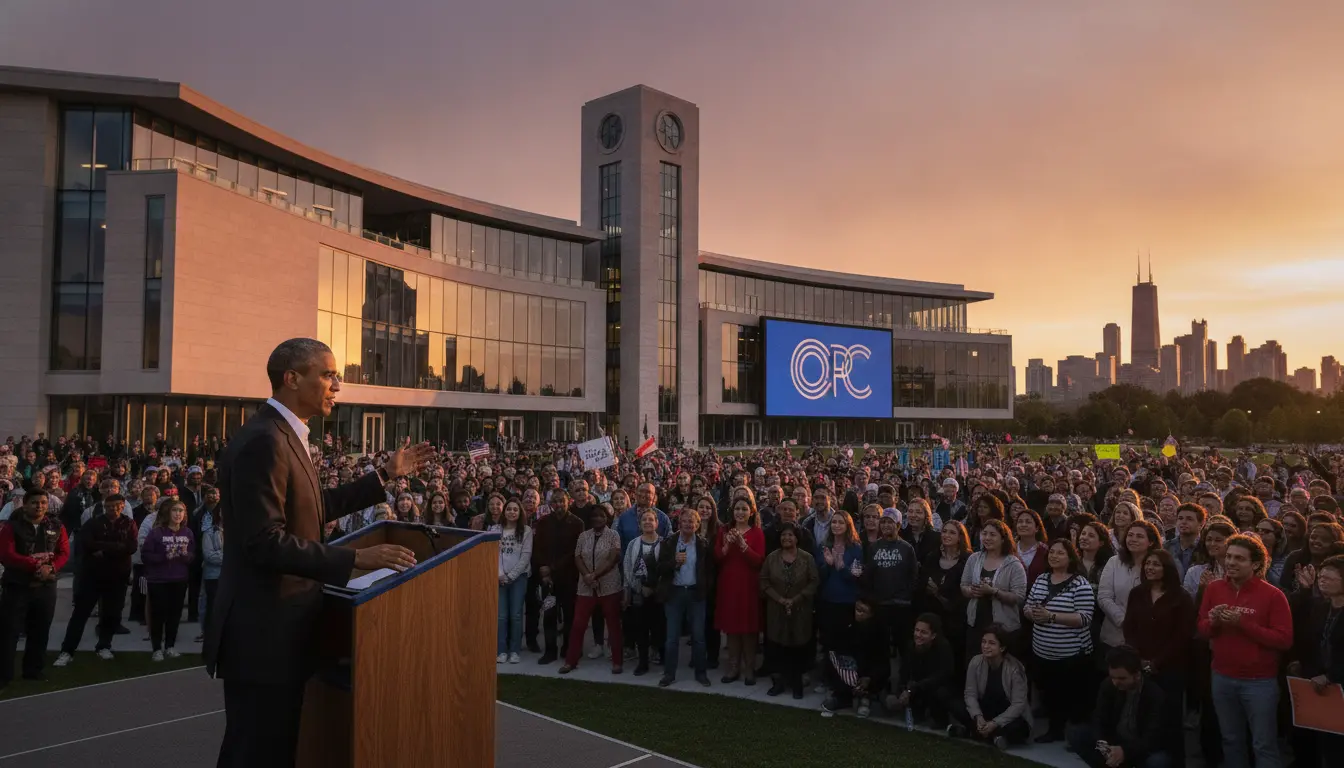
Barack Obama Opens Presidential Center By Calling Out Perpetual Anger And Division; Ceremony Focuses On Legacy And Doesn’t Mention Trump

Vuelta a Burgos 2026 Poised to Shape Vuelta a España Contender Landscape
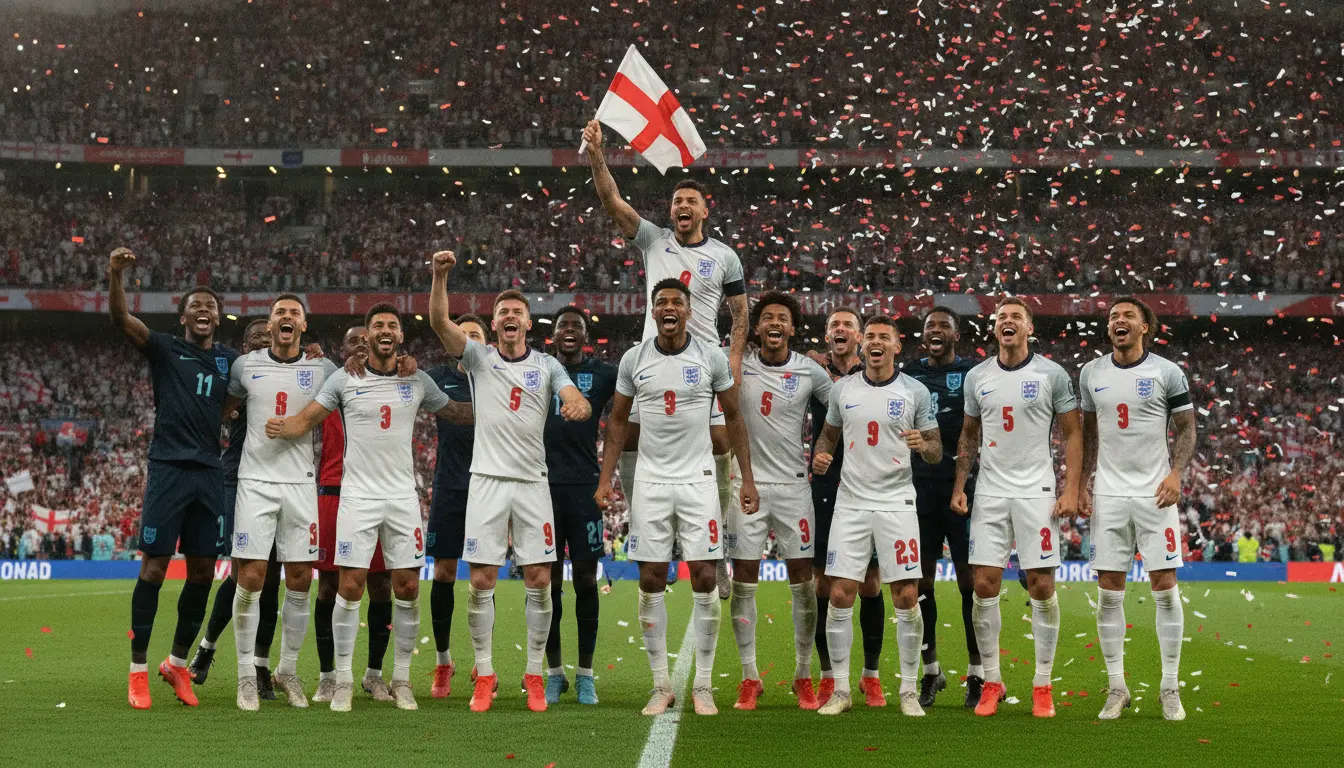
This was an England we haven't seen for years - and it was fun

Jürgen Klopp Set to Take Germany Helm in Bold Move for National Team Revival