FinancecommoditiesGold and Precious Metals
Malaysia's Kelantan State Licenses Small-Scale Gold Panning for Residents
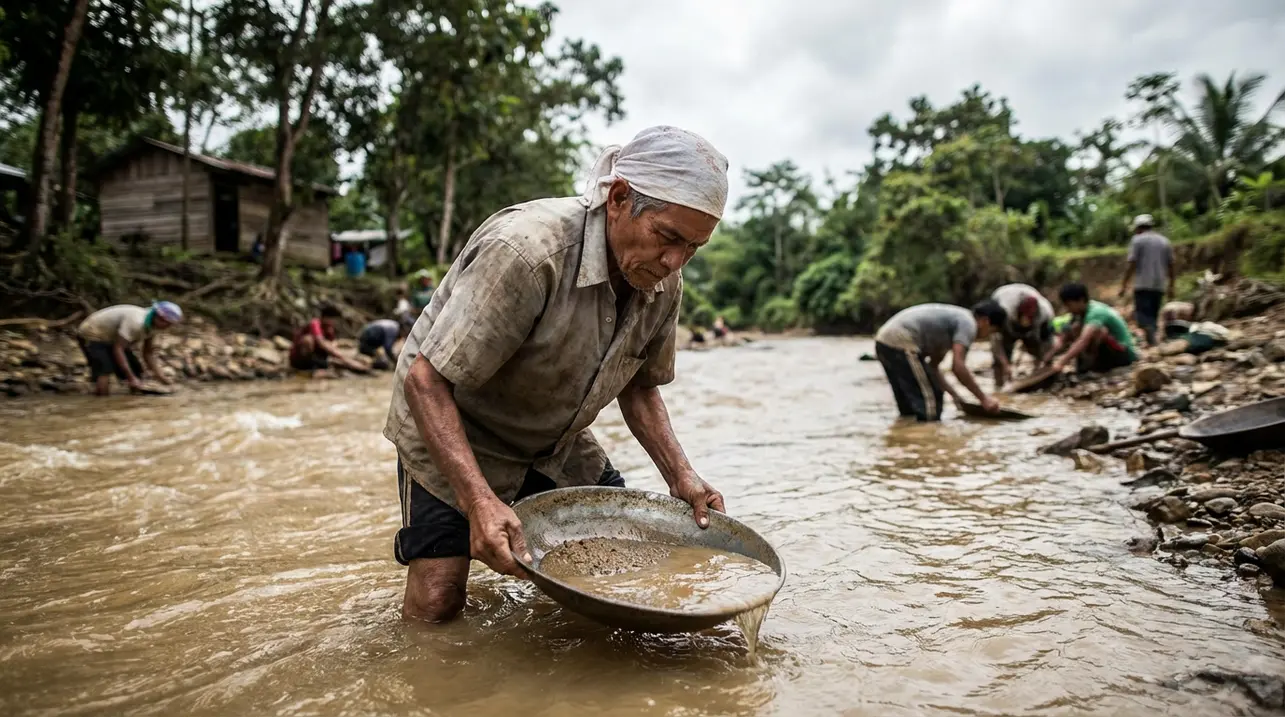
In a move that feels both quaintly traditional and sharply contemporary, Malaysia’s northeastern state of Kelantan has decided to formally license small-scale gold panning for its residents, a fascinating policy shift that speaks volumes about local economies, global commodity prices, and the enduring human drive to extract value from the earth. The state government, according to the Bernama news agency, opened applications for these official permits on January 1, allowing individuals to manually pan for gold in designated river areas—a practice that has been an informal, often clandestine, part of the local fabric for generations.This initiative is explicitly aimed at providing a supplementary income stream for daily wage earners and those with irregular work, a demographic particularly vulnerable to economic swings, especially as the international spot price of gold continues to flirt with historic peaks. To understand the full weight of this decision, one must dive into the context: Kelantan, governed by the opposition Pan-Malaysian Islamic Party (PAS), is one of Malaysia’s poorer states, with an economy historically reliant on agriculture, fisheries, and, increasingly, small-scale trade.The informal gold panning along its riverbanks, particularly in districts like Gua Musang and Kuala Krai, has long been a poorly kept secret, a side hustle for farmers during the off-season or a desperate measure for the unemployed, often conducted without oversight and with significant environmental and safety risks. By bringing this activity into the regulated fold, the state accomplishes several things at once.It acknowledges economic reality, taps into a natural resource without the massive capital outlay required for industrial mining, and potentially creates a new, albeit modest, source of state revenue through licensing fees. However, the path forward is strewn with complex questions.How will the ‘designated areas’ be chosen and monitored to prevent environmental degradation from sediment disruption and potential mercury use—a common, toxic companion in small-scale gold extraction worldwide? What training or safety protocols will be provided to these new licensed prospectors? And critically, does this represent a sustainable economic model or merely a temporary palliative, its viability utterly tethered to the volatile whims of the global gold market? Experts in resource governance might point to similar formalization efforts in other parts of the world, from parts of Africa to South America, with mixed results. Success often hinges on integrating these small-scale operators into a supportive ecosystem that includes access to fair markets, financial services, and environmental stewardship education, preventing them from being exploited by middlemen.The Kelantan government’s move could be a pragmatic, grassroots-level economic stimulus, a way to formalize the informal and capture some value for locals in a global commodity boom. Conversely, it could be seen as a stopgap that fails to address deeper structural economic issues, or worse, inadvertently legitimizes and expands environmentally harmful practices if not paired with robust oversight.
#featured
#Malaysia
#Kelantan
#gold panning
#licenses
#small-scale mining
#commodities
#low-income
#Bernama