FinancecommoditiesAgricultural Commodities
Japanese sushi tycoon buys bluefin tuna for record $3.2 million.
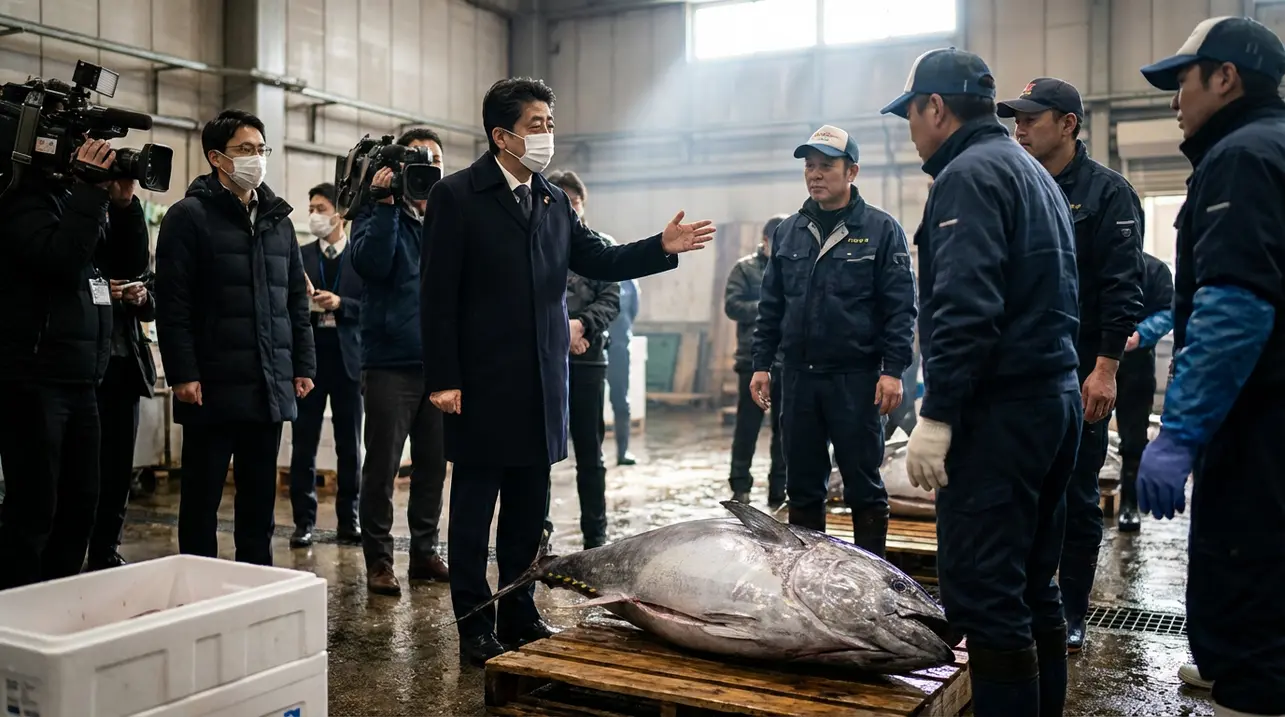
The new year in Tokyo kicked off with a splash that sent ripples far beyond the fish market’s wet concrete floors. In a spectacle that blends tradition, status, and sheer spectacle, a Japanese sushi tycoon—whose name often gets lost in the gleam of the price tag—shelled out a staggering US$3.2 million for a single, majestic bluefin tuna at the annual first auction. This wasn't just a purchase; it was a record-shattering statement, eclipsing previous highs and turning a giant, torpedo-shaped fish into the world's most expensive seafood.The scene itself is pure theatre: the bell rings, the floor is a silvery sea of premium catch, and the bidding unfolds with a rapid-fire intensity that feels more like a high-stakes art auction than a food procurement exercise. For the winning restaurateur, often from the famed Sushi Zanmai chain, this isn't merely about securing ingredients.It's a masterstroke of marketing, a cultural ritual that guarantees global headlines and draws patrons eager to taste a slice of that million-dollar myth, with the first succulent pieces served at a premium that justifies the front-page frenzy. Yet, beneath the glamour and the eye-watering price, there's a more nuanced story swimming.Experts like Dave Gershman from the Pew Charitable Trusts’ international fisheries team point out the ironic silver lining: while the auction price soars, Pacific bluefin tuna stocks, once teetering near collapse, are showing tentative signs of recovery thanks to stringent international quotas. This auction, then, becomes a fascinating paradox—a celebration of a species that is simultaneously a luxury commodity and a conservation case study.The bluefin’s journey from the deep, cold waters to the polished sushi counter is a global one, involving fishing fleets, complex regulations, and a relentless appetite, particularly in Japan, which consumes about 80% of the Atlantic and Pacific bluefin catch. The record bid, while extreme, underscores the fish's enduring cultural and economic value, a symbol of prosperity and auspicious beginnings for the new year.But it also prompts deeper questions about sustainability, value perception, and the future of our oceans. Will such public displays of abundance encourage responsible management or fuel further demand? The tale of this one tuna is more than a quirky food headline; it's a lens on tradition, commerce, and our relationship with the natural world’s most precious resources, all wrapped up in the clean, precise slice of a sushi master's knife.
#bluefin tuna
#record auction
#Tokyo fish market
#seafood industry
#sustainability
#featured