FinancebondsGovernment Bonds
China's Renminbi Bonds Boost Climate Finance in Global South
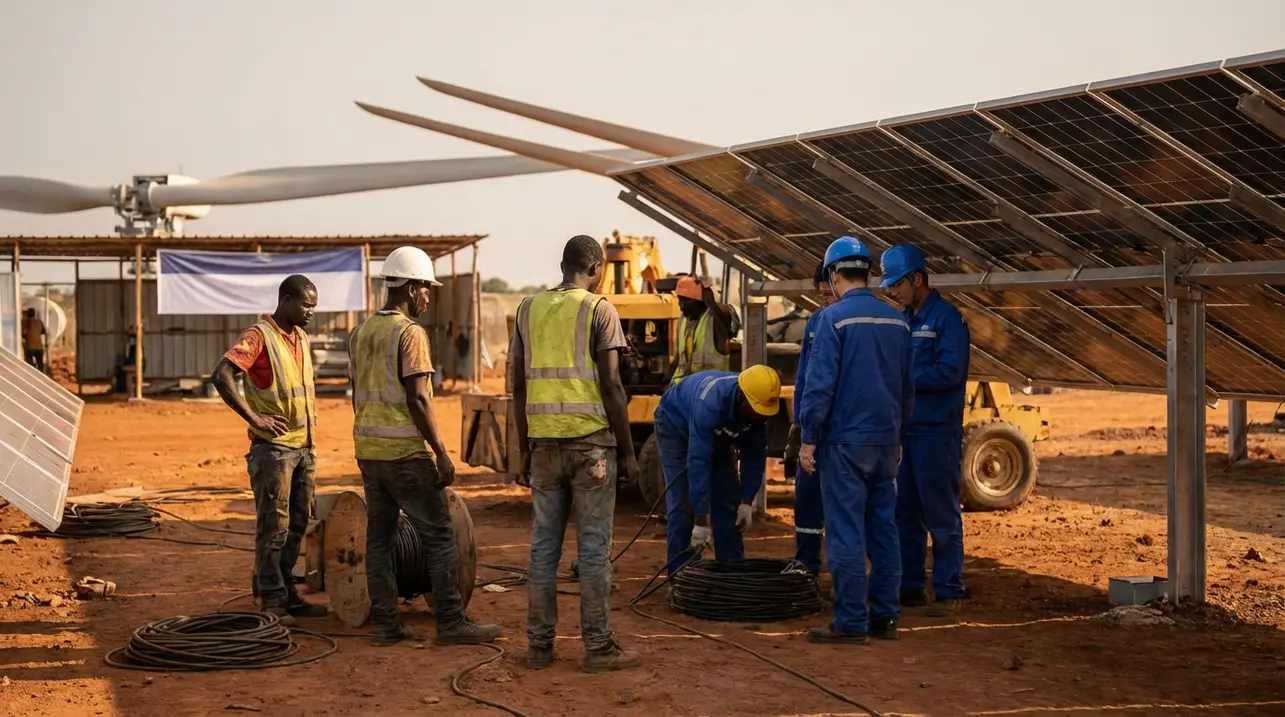
A quiet but seismic shift is underway in the corridors of global finance, one where the greenback's long-held dominance is being gently but persistently challenged by a new, purpose-driven player. China, through a rapidly expanding trifecta of markets for renminbi-denominated bonds, is not just funding its own green transition but is actively positioning the yuan as the go-to currency for climate finance across the Global South.As the United States and traditional Western creditors, hamstrung by political gridlock and risk aversion, step back from the monumental funding gap required for sustainable development, Chinese financial institutions are moving decisively to fill the vacuum. This isn't merely about geopolitical influence; it's a sophisticated, market-driven strategy that merges the worlds of traditional finance (TradFi) with a forward-looking, tokenized future.The mechanisms are multifaceted: the proliferation of 'panda bonds' (yuan-denominated securities sold by foreign entities within mainland China), the growth of 'dim sum bonds' in offshore markets like Hong Kong, and the innovative rise of 'green' and 'sustainability-linked' bonds denominated in RMB are creating a powerful, liquid pipeline of capital. This capital is increasingly earmarked for solar farms in Southeast Asia, wind projects in Latin America, and resilient infrastructure across Africa—projects that Western banks often deem too risky or insufficiently profitable.The narrative here transcends simple debt-trap diplomacy accusations; it's about pragmatism. For many emerging economies, accessing dollar-denominated debt comes with the brutal volatility of Fed interest rate hikes and punishing exchange rate fluctuations.Renminbi bonds, often issued with longer tenors and tied to China's own supply chains for renewable technology, offer a semblance of stability and integrated project delivery that is desperately needed. Experts like Dr.Helena Zhang of the Asia Green Finance Initiative note that this is building a parallel financial ecosystem. 'We are witnessing the 'greening' of the Belt and Road Initiative through capital markets,' she explains.'It’s a pivot from massive state-backed loans to more sustainable, bond-market-driven investments that attract institutional global capital seeking ESG-compliant yields. ' The consequences are profound.Firstly, it accelerates the internationalization of the yuan, anchoring it not in oil trade, but in the tangible assets of the green economy. Secondly, it could redefine global standards, with China potentially setting the benchmarks for what constitutes a 'green' project in developing nations.However, risks loom. Questions about transparency, debt sustainability, and the actual environmental impact of some funded projects persist.
#Renminbi bonds
#climate finance
#Global South
#sustainability projects
#featured
#Chinese finance
#green bonds
#internationalization