Financepersonal financeRetirement Planning
China's Affluent Shift from Property to Insurance and Gold for Retirement
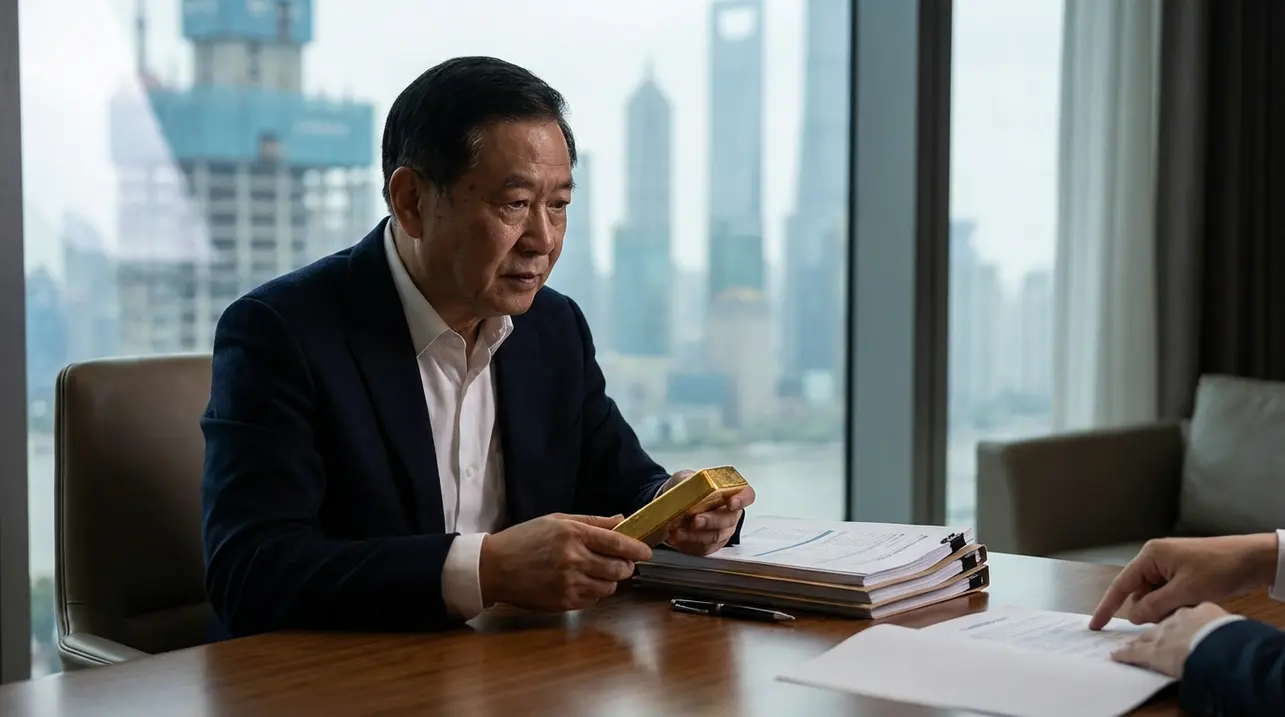
For decades, the playbook for China’s affluent was simple and seemingly unshakeable: buy property. Real estate wasn't just a home; it was the ultimate retirement nest egg, a cornerstone of family wealth, and a status symbol all rolled into one.But a profound and quiet revolution is underway, one that veteran entrepreneurs like Li Jiang from Guangdong are leading. Since 2020, Li has been methodically selling off his portfolio—once seven assets strong, from CBD apartments to suburban villas—a move that initially baffled his peers.This isn't an isolated case of portfolio rebalancing; it's a seismic shift in the financial psychology of a generation. The golden era of Chinese real estate, characterized by explosive, guaranteed-appreciation returns, has definitively cooled.Government campaigns to curb speculation, the lingering shadow of developer defaults like Evergrande, and a palpable uncertainty about future property values have pierced the long-held belief that bricks and mortar are the safest harbor. In this new landscape, high-net-worth individuals are pivoting with a focus on capital preservation and predictable, long-term yields.Insurance products, particularly those with dividend-paying or whole-life components, are seeing a massive influx. These aren't your basic policies; they're sophisticated wealth management tools offered by giants like Ping An, providing a blend of guaranteed returns, potential bonuses, and crucial estate planning benefits that bypass probate.They offer something property no longer can: stability and a hedge against volatility. Parallel to this, physical gold has regained its ancient luster.Chinese consumers, historically the world's largest gold buyers, are now purchasing record amounts not for jewelry, but for the vault. Gold bars and coins are flowing into safe deposit boxes as a tangible, non-correlated asset—a literal insurance policy against currency fluctuation and broader economic uncertainty.This pivot speaks to a deeper, Warren Buffett-esque principle now resonating in China: the rule number one is don't lose money. The speculative frenzy is being replaced by a more sober, defensive strategy.Financial advisors on the ground report clients are less interested in doubling their money and more focused on ensuring their wealth survives intact for the next generation, shielded from market downturns and potential property taxes. This isn't merely an asset swap; it's a fundamental rewiring of retirement planning.The old model relied on illiquid assets that required active management (tenants, maintenance, sales). The new model prioritizes liquidity, passive income, and institutional strength.
#featured
#China
#wealth management
#real estate
#insurance
#gold
#retirement
#asset allocation
#high-net-worth individuals