PoliticsdiplomacyPeace Talks and Treaties
US-China Summit and North Korea Nuclear Talks at APEC
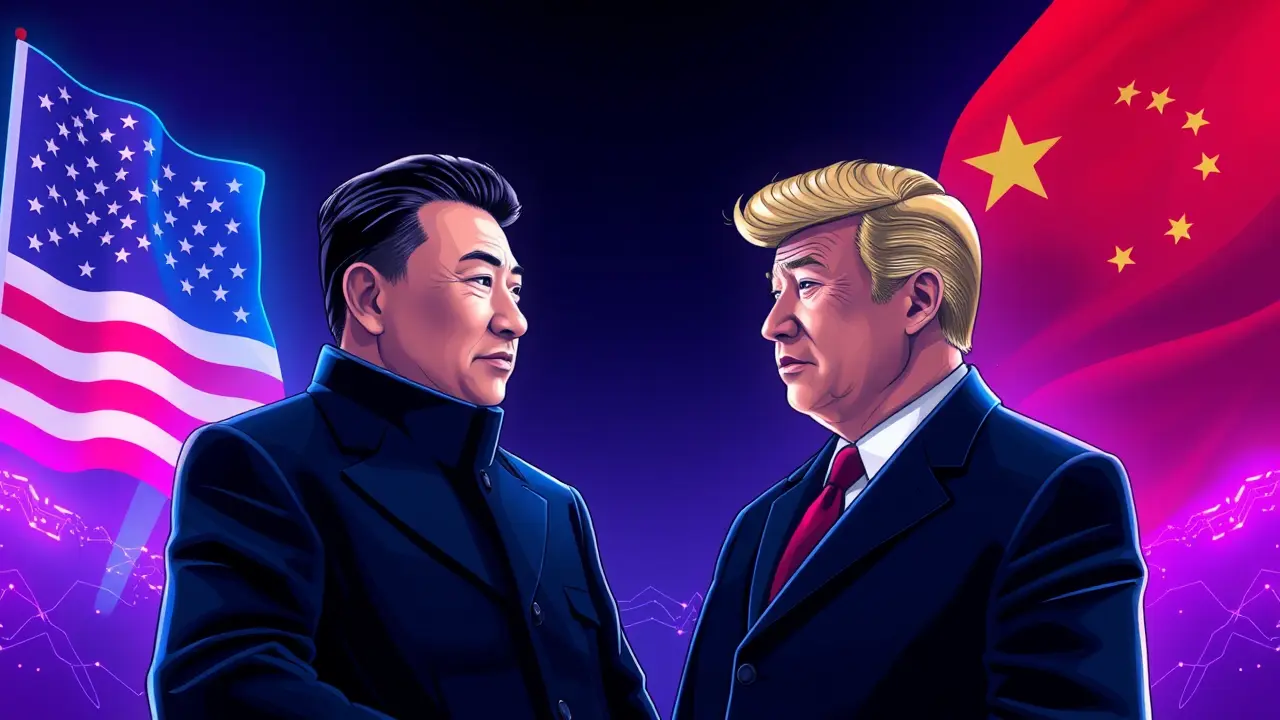
The Korean peninsula has once again seized the global stage, a familiar theater in the long drama of international power politics, as the Asia-Pacific Economic Cooperation summit in Seoul prepares to host a pivotal encounter between the United States and China. This anticipated meeting between the American and Chinese leaders marks their first face-to-face dialogue since the commencement of President Donald Trump's second term, a diplomatic event laden with the gravity of a structural shift in Northeast Asia's security architecture.We are witnessing the erosion of the old binaries; this is no longer a simple US-China contest, but a far more complex and dangerous quadrilateral dynamic where the ambitions of a nuclear-armed North Korea, emboldened by its alignment with a revisionist Russia, demand center stage. Pyongyang's explicit pursuit of US recognition as a legitimate nuclear state and its call for direct talks with President Trump himself represent a fundamental challenge to the non-proliferation regime that has underpinned global stability for decades.One is reminded of Churchill's admonitions about the price of appeasement, a historical parallel that modern strategists would do well to consider. The North's strategy is calculated, leveraging the broader Sino-American rivalry to carve out its own space, betting that Washington's preoccupation with Beijing will force concessions previously unthinkable.For the United States, the dilemma is profound: engaging in direct talks risks legitimizing a nuclear North Korea and alienating key allies like South Korea and Japan, yet refusal could accelerate Pyongyang's weapons development and deepen its strategic embrace with Moscow and Beijing, creating a formidable anti-Western bloc. The Chinese calculus is equally intricate; while Beijing publicly advocates for denuclearization, a weak and isolated North Korea is not in its strategic interest, serving as a crucial buffer state and a persistent thorn in the side of American hegemony in the region.This summit, therefore, is not merely about trade or economic cooperation, but about the very contours of the future Asian order. Will the US and China find a precarious consensus on managing the North Korean threat, or will their own competition render such cooperation impossible, leaving the peninsula a simmering flashpoint? The outcomes in Seoul will reverberate far beyond, influencing everything from arms control negotiations to the security guarantees offered to American allies, potentially reshaping the balance of power in a manner not seen since the end of the Cold War. The world watches, as it has during previous crises, to see if the lessons of history will be heeded or ignored in the face of this new, multi-polar challenge.
#featured
#Korean Peninsula
#US-China Relations
#North Korea
#Nuclear Talks
#APEC Summit
#Diplomacy