CryptoregulationUS SEC and CFTC
U.S. Regulator Pushes Back on Banks Fighting Crypto's Pursuit of Trust Charters
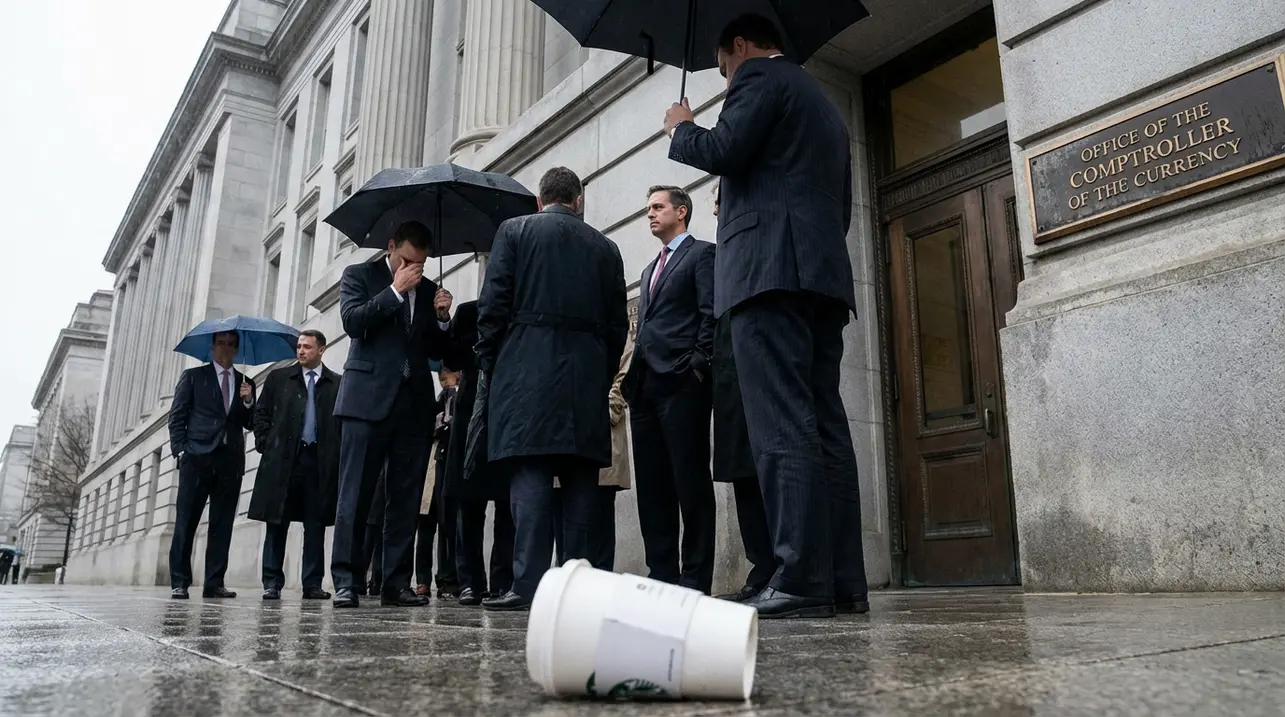
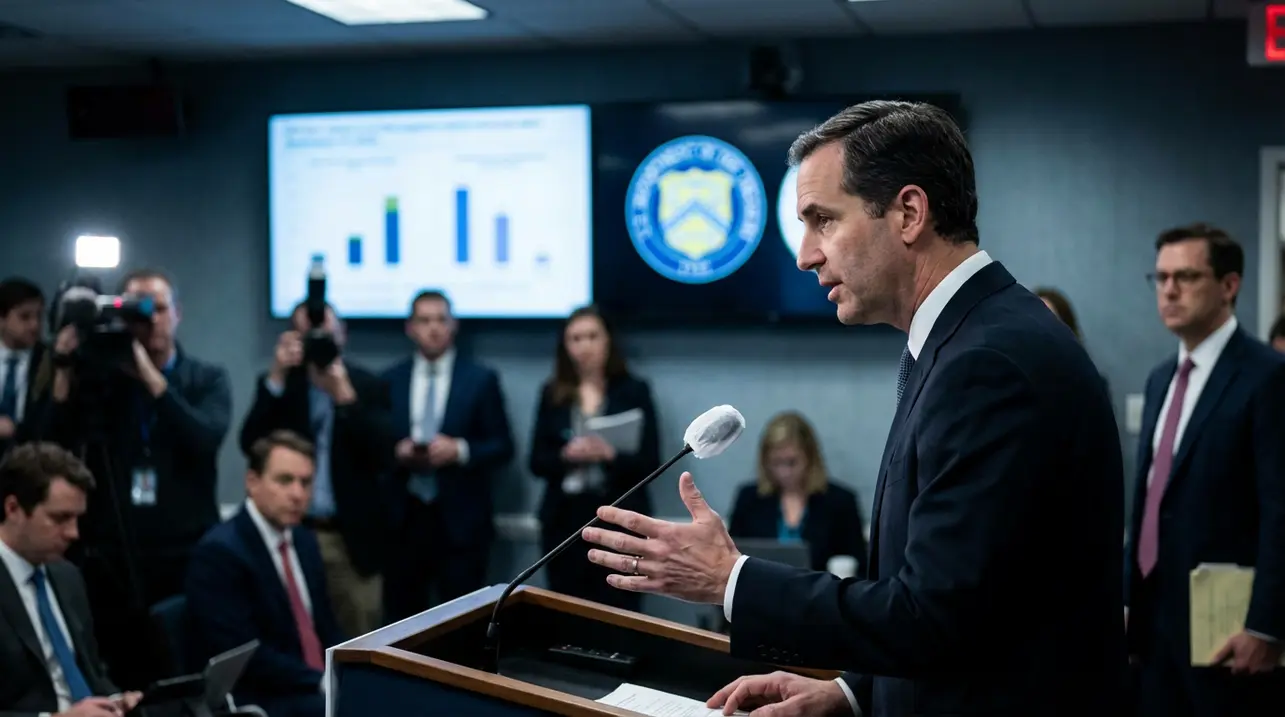
The old guard is rattled, and you can hear the tremors in every dismissive statement from Washington. The U.S. Office of the Comptroller of the Currency, a key banking regulator, has just thrown a bucket of cold water on the ambitions of crypto-native firms seeking so-called 'trust charters.' This isn't just bureaucratic foot-dragging; it's a direct counter-offensive in the foundational war for the future of finance. For years, innovative crypto companies have eyed the OCC's special-purpose national trust charter as a golden ticket—a federally recognized seal of approval that would let them operate across state lines, custody digital assets, and execute payments without being shackled to a patchwork of fifty different state licenses.It’s the path to legitimacy, to sitting at the same table as JPMorgan and Bank of America. But the acting Comptroller, Michael Hsu, a man steeped in traditional finance, is having none of it.His recent pushback isn't a surprise to those of us who've watched this saga unfold; it's the latest, most explicit volley in a regulatory battle that has been simmering since the OCC under Trump-appointee Brian Brooks first opened the door. Hsu’s stance is clear: the crypto industry’s ‘move fast and break things’ ethos is fundamentally incompatible with the patient, risk-averse, and stability-obsessed world of federally chartered banking.He sees these charters not as innovation but as a dangerous loophole, a way for entities to claim federal preemption without shouldering the full, crushing weight of bank regulation—the capital requirements, the liquidity rules, the relentless examinations. The subtext here is pure Bitcoin maximalist gospel: the establishment doesn't want competition.They see decentralized finance as a threat to their monopoly over trust. When an entity like Anchorage Digital secures a charter, as it did in early 2021, it proves that a company can meet the rigorous standards.But for every Anchorage, there are a dozen others the OCC views as speculative gamblers dressed up as financiers. Hsu’s skepticism is rooted in the crashes of 2022—the collapse of Terra/Luna, the implosion of FTX.To him, these aren't isolated failures; they're the inevitable product of an ecosystem built on hype and algorithmic promises rather than tangible assets and proven risk management. He’s essentially arguing that you can't graft a wild, permissionless innovation onto a centuries-old trust framework designed for slow-moving, physical asset custody.The consequences are profound. Without these federal charters, crypto firms remain in a regulatory purgatory, forced to navigate a costly and complex maze of state-by-state money transmitter licenses.
#featured
#trust charters
#OCC
#banking regulation
#crypto custody
#legal battle
#financial institutions