CryptoregulationUS SEC and CFTC
The Senate moves toward a market structure vote: State of Crypto
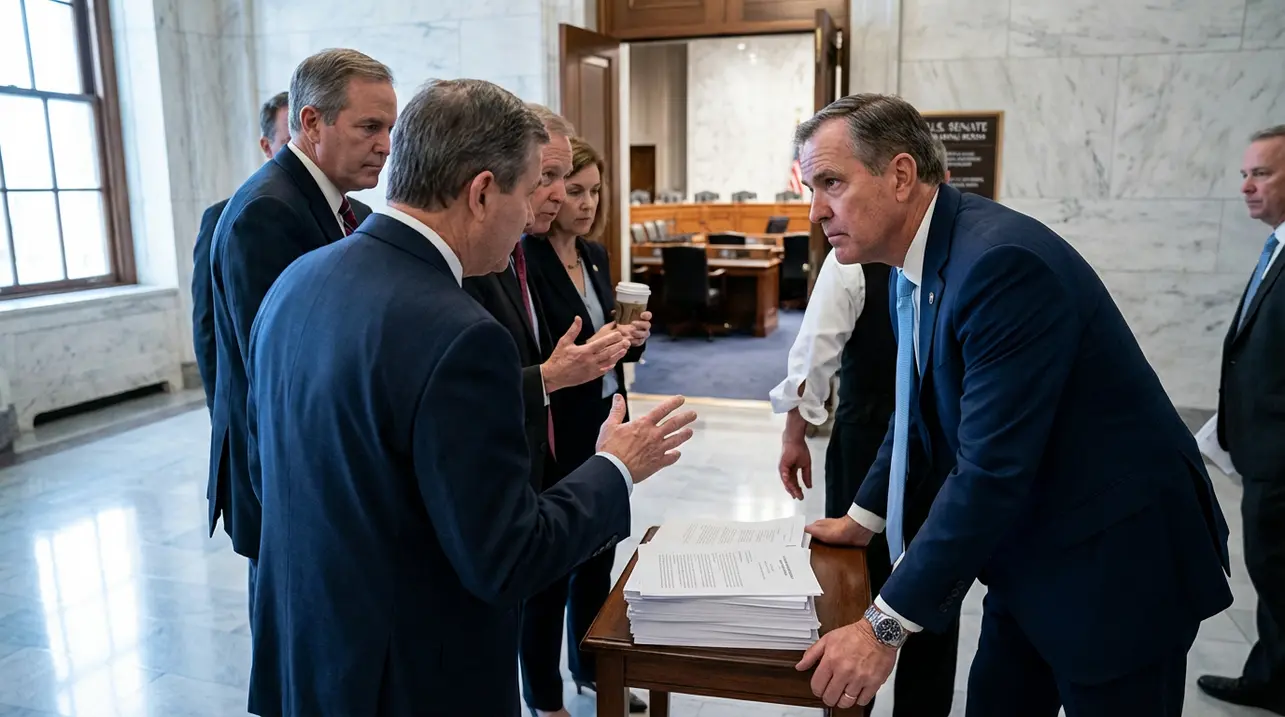
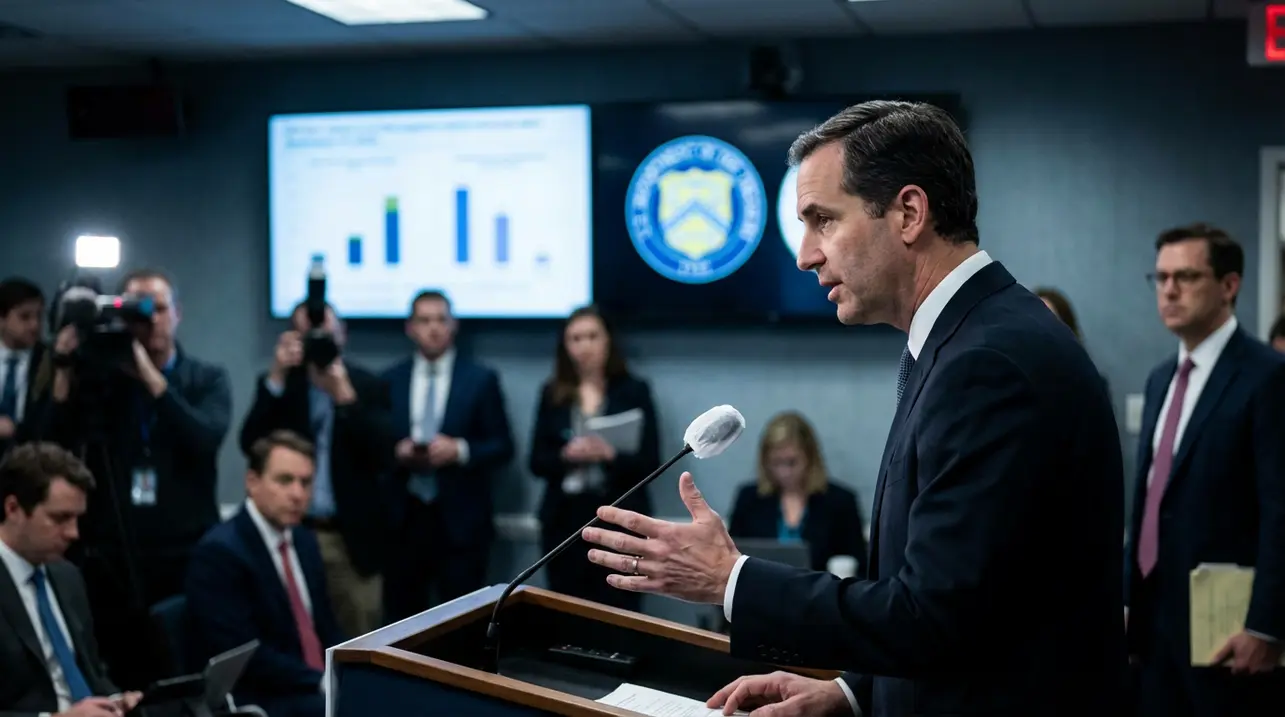
The U. S.Senate is inching toward a pivotal vote on crypto market structure, a move that could finally begin to untangle the regulatory Gordian knot that has stifled American innovation in digital assets for years. This isn't just another committee hearing; it's a direct response to the glaring, post-FTX vacuum where legislative clarity has been more elusive than a private key.The bill in question, the Lummis-Gillibrand Responsible Financial Innovation Act, represents the most comprehensive bipartisan effort to date, aiming to delineate the messy jurisdictional battle between the SEC and CFTC that has left companies operating in a state of paralyzing uncertainty. For those of us bridging TradFi and DeFi, this legislative push feels like watching a slow-moving glacier finally begin its advance—the momentum is undeniable, but the path it carves will define the landscape for a generation.The core of the debate hinges on the existential question of what constitutes a security versus a commodity, a distinction that determines whether an asset falls under the securities-focused, disclosure-heavy regime of the SEC or the derivatives and market integrity purview of the CFTC. The bill proposes granting the CFTC explicit spot market authority over cryptocurrencies deemed commodities, like Bitcoin and Ethereum, a move that would provide a regulatory home for a vast swath of the ecosystem currently in limbo.This isn't merely bureaucratic reshuffling; it's about creating a framework where exchanges can operate with known rules, institutional capital can flow without legal fear, and consumer protections are standardized rather than adjudicated through costly, after-the-fact enforcement actions. The implications ripple far beyond Capitol Hill.A clear U. S.regulatory framework would act as a global signal, potentially stanching the flow of talent and projects to more hospitable jurisdictions like Singapore, the EU with its MiCA regulations, or the UK. It would empower traditional finance giants—BlackRock, Fidelity, and their peers—to deepen their crypto offerings with confidence, accelerating the tokenization of real-world assets from treasury bonds to real estate.However, the road to a floor vote is fraught with political landmines. Opposition from banking committee chairs skeptical of crypto's fundamental value, concerns from progressive Democrats about environmental impact and consumer protection, and the ever-present specter of last-minute scandals could still derail the process.Furthermore, the bill must navigate the House, where different committees have produced their own, sometimes conflicting, legislative drafts. The coming weeks will be a masterclass in political maneuvering, with lobbyists from both crypto-native firms and entrenched Wall Street interests working the halls.
#featured
#US Senate
#crypto market structure
#FIT21 bill
#regulation
#SEC
#CFTC
#vote