Polymarket Begins Rolling Out Fees in US App and Crypto Markets
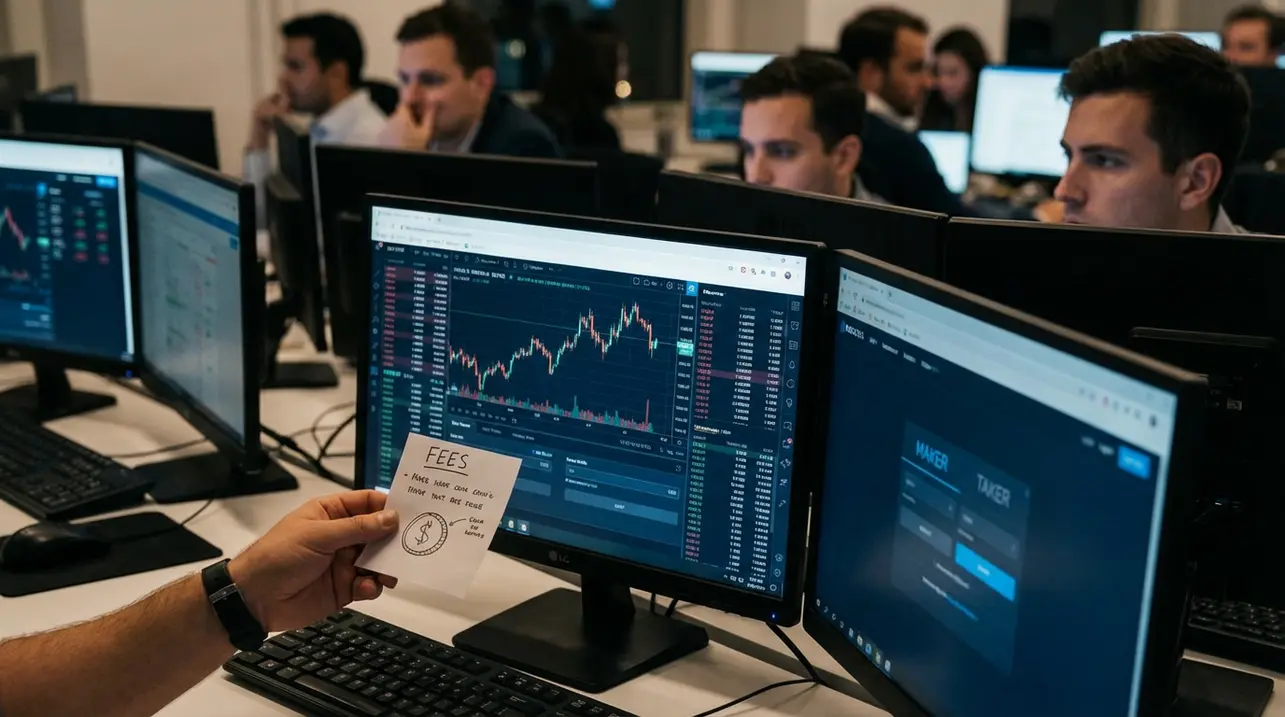
In a move that signals a new phase of maturity for the decentralized prediction market space, Polymarket, the undisputed leader in the arena, has begun implementing trading fees across its platforms, a seismic shift from its long-standing zero-fee model. This isn't just a minor tweak to the backend; it’s a fundamental evolution in the platform’s economic design, starting with a 1 basis point (0.01%) fee for takers on its newly launched Polymarket US app in private beta and extending to a carefully calibrated fee curve for its hyper-liquid 15-minute crypto price markets. For years, the ethos of DeFi and prediction markets has been heavily skewed towards feeless, permissionless interaction, a philosophy championed by pioneers and purists who saw fees as a barrier to pure speculation and information discovery.Polymarket’s initial zero-fee stance was a powerful user acquisition tool, drawing in a massive global community to bet on everything from election outcomes to the price of Ethereum in the next quarter-hour. However, the introduction of a fee-driven revenue stream marks a critical pivot from a growth-at-all-costs startup to a sustainable protocol with a vested interest in its own longevity and security.This transition mirrors the broader journey of the Ethereum ecosystem itself—from an idealistic, experimental playground to a robust, economically sound infrastructure layer for global coordination. The revenue generated from these modest fees will be crucial for funding ongoing development, security audits, and legal compliance, especially for the US-facing app which navigates the complex regulatory landscape of the Commodity Futures Trading Commission (CFTC).Experts in decentralized autonomous organization (DAO) governance see this as an inevitable and healthy step; a protocol without a sustainable treasury is a protocol living on borrowed time, vulnerable to the whims of venture capital or token emission schedules. The fee curve on the crypto markets is particularly ingenious, likely designed to prevent predatory high-frequency trading while still maintaining deep liquidity for the retail user—a balancing act that centralized exchanges like Coinbase and Binance have spent years perfecting.Critics, often echoing the hardline crypto-anarchist perspective, will decry this as a capitulation to traditional finance models, a betrayal of the cypherpunk dream. Yet, the pragmatic reality, as any seasoned DeFi builder will attest, is that quality, reliability, and legal durability are not free.The fees are negligible for the average user—a bet of $1000 would incur a mere 10-cent cost—but at Polymarket’s scale, they represent the first trickle of what could become a significant treasury, potentially governed by the community of POLY token holders in the future. This move also strategically positions Polymarket against centralized prediction competitors like PredictIt, which has long charged fees, by offering a decentralized, non-custodial alternative with a comparable cost structure but superior transparency and global access.
#Polymarket
#prediction markets
#trading fees
#decentralized finance
#revenue model
#crypto markets
#weeks picks news