CryptoexchangesInnovation and Features
Polymarket adds taker fees to 15-minute crypto markets to fund liquidity rebates
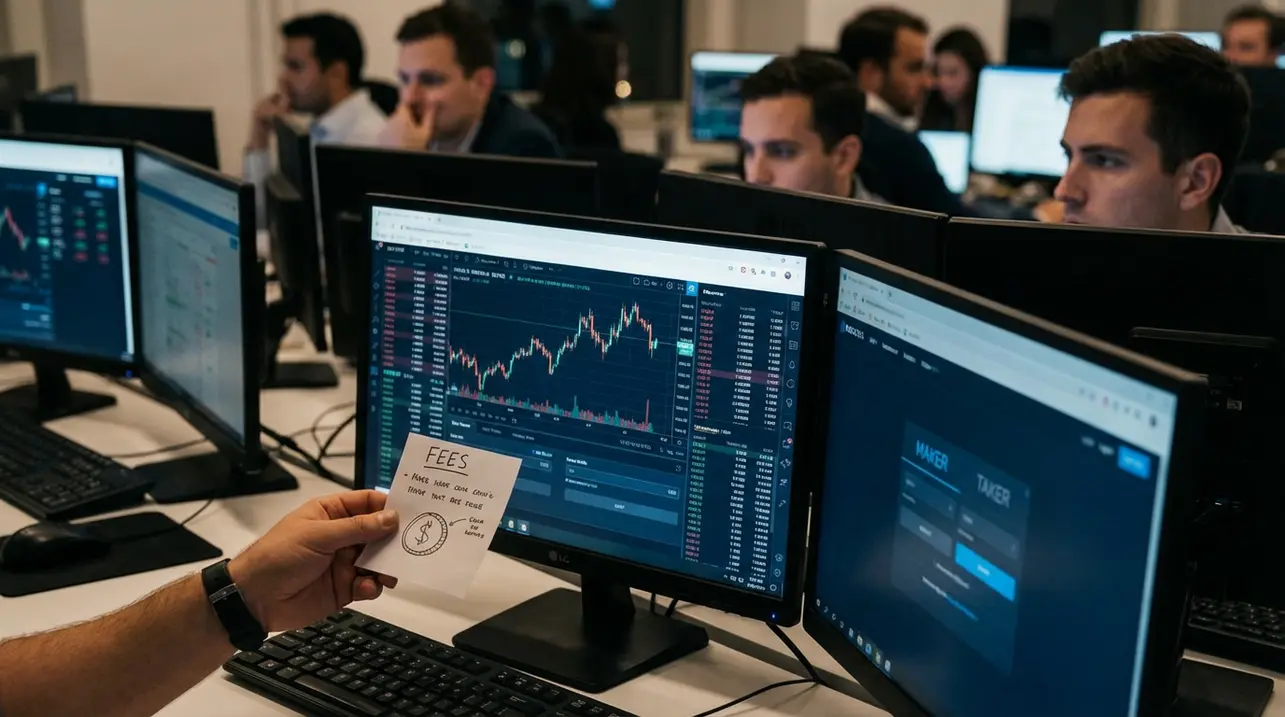
In a nuanced shift for one of prediction markets’ most dynamic arenas, Polymarket has quietly introduced taker fees specifically for its suite of 15-minute crypto price markets. This isn't a blanket fee rollout; the vast majority of categories on the platform remain blissfully fee-free, preserving the frictionless experience that has drawn a fervent community of degens and data-driven speculators.The targeted move, as the platform has indicated, is designed to fund liquidity rebates for market makers—a classic TradFi playbook maneuver now being deftly applied to the high-velocity world of crypto speculation. For those of us who live and breathe DeFi mechanics, this is more than a simple fee change; it's a fascinating experiment in market microstructure, a deliberate tweak to the invisible engine that powers these real-time oracle-fed contracts.Think of it as adjusting the carburetor on a Formula 1 car mid-race. The 15-minute markets, which allow users to bet on whether Bitcoin or Ethereum will be above or below a specific price point in a quarter of an hour, represent the bleeding edge of crypto sentiment trading.They're pulse-quickening, volatile, and require immense liquidity to function without massive slippage. By incentivizing makers—those who provide the resting bids and asks that form the market's backbone—with rebates funded by the new taker fees, Polymarket is essentially subsidizing stability.It's a calculated trade-off: imposing a small cost on those who want to execute immediately (the takers) to reward those who provide the opportunity for that execution (the makers). This maker-taker model is bedrock in traditional equity and futures exchanges, but its application here is particularly clever.In the context of a decentralized prediction market operating on Polygon, it addresses a core challenge: attracting sufficient liquidity to these hyper-short-term instruments without relying solely on speculative fervor. The rebate acts as a yield opportunity for sophisticated players, turning liquidity provision into a mini-strategy akin to running a market-making bot on a centralized exchange.We've seen this dynamic before in the evolution of DeFi's Automated Market Makers (AMMs), where liquidity provider (LP) rewards often dictated which pools thrived. Here, the rebate is the reward, and the fee is the cost of doing business.It raises immediate questions about arbitrage opportunities and the potential for new, specialized bots to emerge, sniffing out mispricings across these fleeting 15-minute windows. Furthermore, this decision can't be divorced from the broader regulatory gaze fixed upon Polymarket.As the platform navigates its path, demonstrating robust, orderly markets—especially for products that could be seen as particularly speculative—is paramount. A well-liquidated, tight-spread market is less prone to manipulation and customer disputes, arguments that carry weight in any dialogue with regulators.
#featured
#polymarket
#prediction markets
#taker fees
#liquidity rebates
#crypto derivatives
#exchange fees