House Republicans revive criticisms of Biden’s ‘coordinated attack’ on crypto, debanking concerns
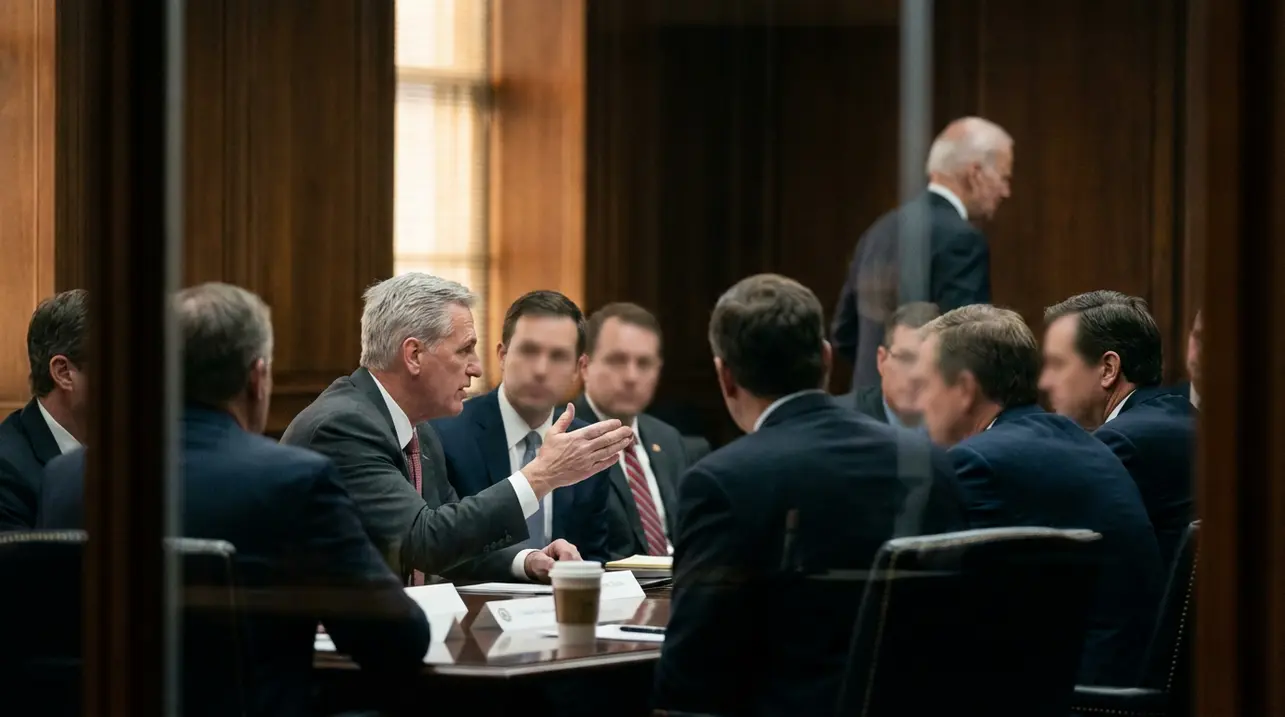
The battle lines in Washington are being drawn with a stark clarity that should alarm every Bitcoin holder. House Republicans have launched a fresh offensive, directly accusing the Biden administration of orchestrating a 'coordinated attack' on the digital asset ecosystem.This isn't just political theater; it's a declaration of war against what many see as a systematic campaign of debanking and regulatory strangulation designed to cripple crypto innovation on American soil. The core of their argument cuts to the heart of financial sovereignty: federal agencies, from the SEC to the banking regulators acting under the shadow of Operation Choke Point 2.0, are allegedly working in concert to deny legitimate crypto businesses access to the basic banking services that are the lifeblood of any enterprise. This creates a dangerous paradox where companies are told to comply with ever-shifting rules, yet are simultaneously cut off from the traditional financial rails needed to operate within those very rules.It’s a regulatory catch-22 with one clear outcome: driving innovation offshore to jurisdictions with clearer, if not more welcoming, frameworks. Look at the data—the U.S. share of global Bitcoin mining has plummeted, and key developers are setting up shop in Lisbon or Singapore.The Republican critique taps into a fundamental Bitcoin ethos: distrust of centralized power and opaque financial controls. They frame this administrative pressure not as prudent oversight, but as a protectionist maneuver for the legacy banking system, a system terrified of a decentralized, transparent alternative it cannot control or profit from in the same old ways.The consequences are profound. If this 'coordinated attack' narrative holds, it signals that the current administration views crypto not as a technological evolution to be understood and harnessed, but as a threat to be neutralized.This approach ignores the profound potential of Bitcoin as a hedge against monetary debasement and a tool for financial inclusion. Instead of engaging with the substance—the immutable ledger, the proof-of-work security model, the potential for a new global reserve asset—the strategy appears to be one of attrition through compliance burdens and banking blacklists.For the crypto industry, the path forward is fraught. Legal battles will intensify, with Congress potentially using its appropriations power to rein in aggressive regulators.The 2024 election now looms as a potential referendum on this very issue, with digital asset policy becoming a wedge issue that separates techno-optimists from financial preservationists. In the end, this isn't just about a few companies or tokens; it's about who controls the future of money.
#regulation
#debanking
#House Republicans
#Biden administration
#digital assets
#policy debates
#featured
Stay Informed. Act Smarter.
Get weekly highlights, major headlines, and expert insights — then put your knowledge to work in our live prediction markets.
The Republicans are betting that framing this as an attack on American innovation and financial freedom will resonate. The Biden administration, meanwhile, seems entrenched in a view that prioritizes systemic risk mitigation above all else, potentially ceding the high ground of the next internet to global competitors. The clock is ticking, and the market is voting with its hash rate.