CryptoregulationStablecoin Oversight
Ghana legalizes crypto trading with new law, plans to explore gold-backed stablecoins
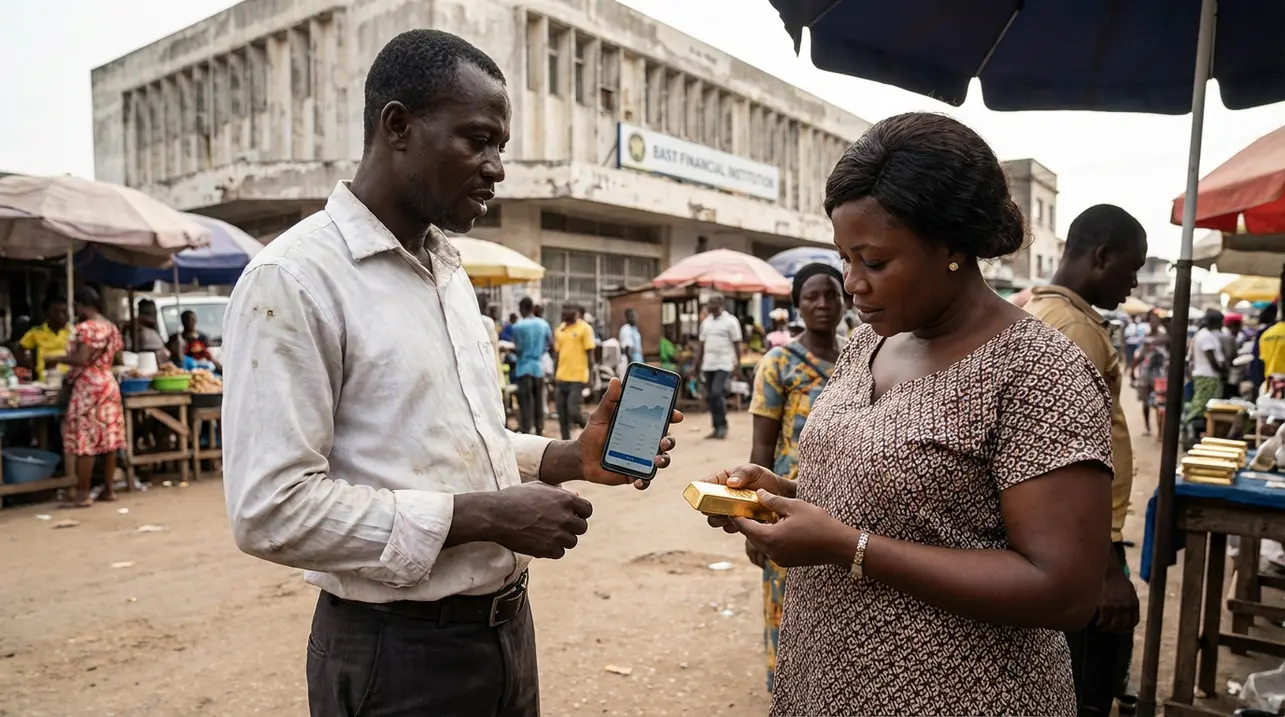
Ghana’s recent move to formally legalize cryptocurrency trading, coupled with its forward-looking plan to explore asset-backed digital settlement instruments like gold-backed stablecoins by 2026, marks a pivotal moment not just for West Africa but for the global convergence of traditional finance and decentralized digital assets. This isn't merely regulatory catch-up; it's a deliberate, strategic foray into the future of monetary sovereignty and financial inclusion.The new law provides a desperately needed legal framework, offering clarity for exchanges, custodians, and traders who have operated in a grey area, and signals to international investors that Ghana is open for business in the digital age. However, the real headline-grabber is the exploration of gold-backed stablecoins.Imagine a digital currency, issued potentially by the state or in partnership with private entities, where each unit is redeemable for a specific weight of physical gold held in secure, audited vaults. This concept bridges millennia-old trust in precious metals with the borderless, instantaneous settlement of blockchain technology.For a nation like Ghana, one of Africa's top gold producers, this represents a profound opportunity to leverage a natural resource into financial innovation, potentially creating a more stable digital currency than volatile cryptos and a more efficient, transparent asset than traditional gold certificates. The implications are vast.Domestically, a gold-pegged digital currency could bolster the cedi, provide a hedge against inflation for citizens, and unlock new forms of collateralized lending and remittance corridors. Regionally, it could position Ghana as a financial hub, offering a trusted digital asset for cross-border trade in an Economic Community of West African States (ECOWAS) region often plagued by currency instability.Globally, it places Ghana alongside a small but growing cohort of nations, from tokenized treasury bond pioneers to central bank digital currency (CBDC) explorers, actively shaping the next layer of the international monetary system. Of course, the path is fraught with challenges.The technical architecture must be bulletproof to maintain peg integrity and prevent runs. Regulatory oversight must balance innovation with consumer protection and anti-money laundering standards.The success of such a venture hinges on deep collaboration between the Bank of Ghana, the Minerals Commission, fintech innovators, and traditional banking institutions. Furthermore, it invites philosophical debate: is a state exploring a commodity-backed stablecoin an admission of the failure of fiat, or a savvy hybrid approach to digital value? Analysts will watch closely to see if this model can offer the 'digital gold' promise of Bitcoin with the stability and sovereign backing that national economies require. This move by Ghana is a clear signal that the future of finance is not a binary choice between TradFi and DeFi, but a complex, evolving landscape where national resources, blockchain transparency, and economic policy can merge to create novel solutions for the 21st century.
#Ghana
#crypto regulation
#stablecoins
#gold-backed digital currency
#legalization
#central bank digital currency
#featured