CryptoregulationUS SEC and CFTC
Crypto Market Structure Bill Heads to Key Senate Votes This Week
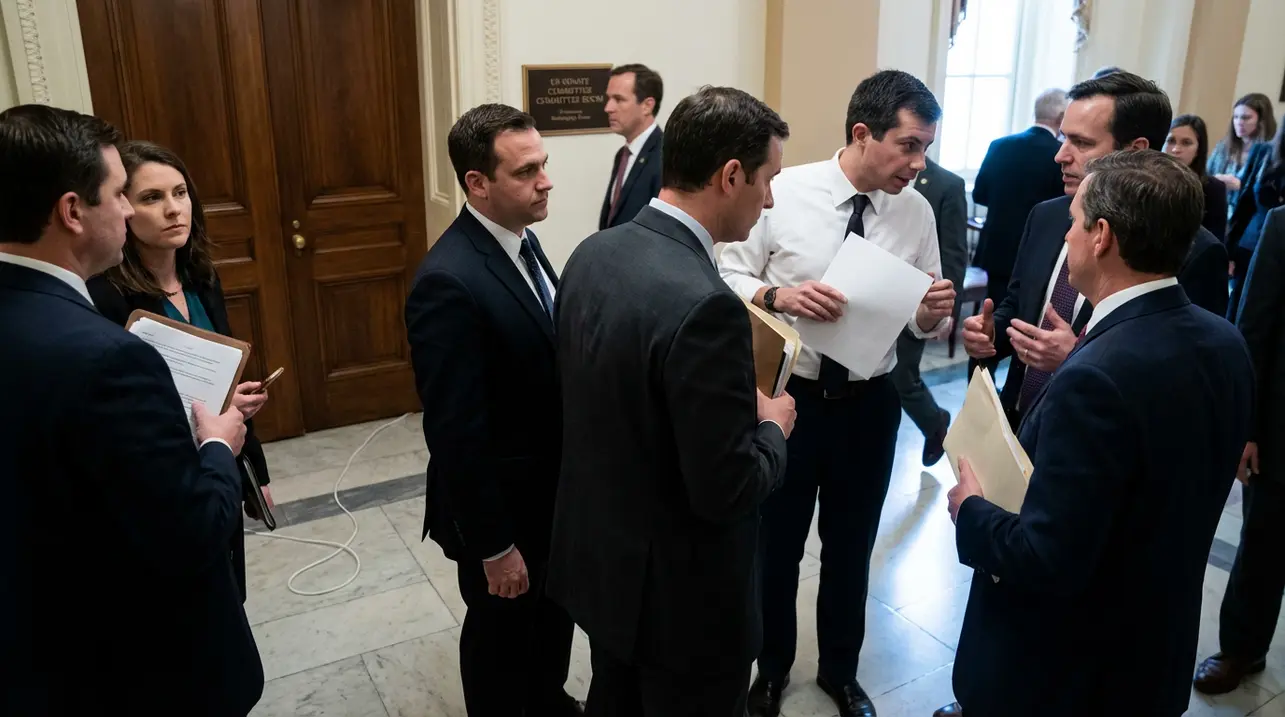
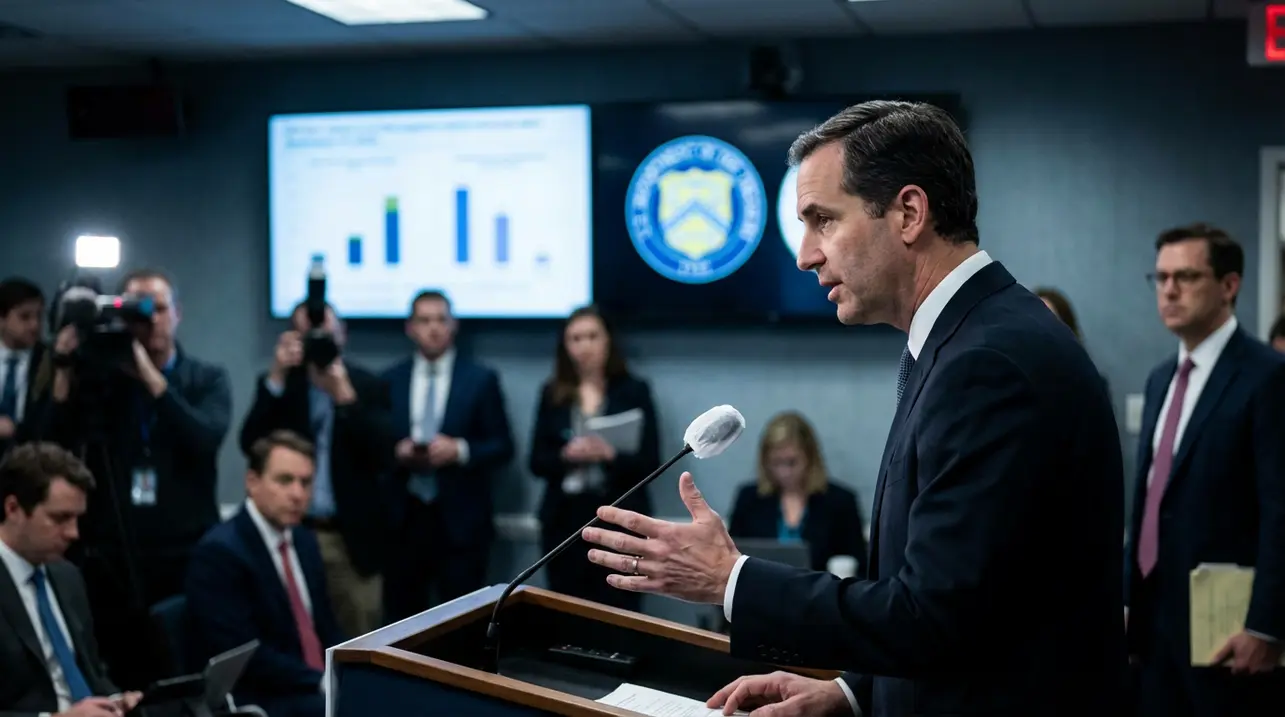
The long-awaited, and often contentious, journey toward a coherent U. S.regulatory framework for digital assets is reaching a critical inflection point this week, as two powerful Senate committees prepare to hold pivotal votes. On January 15th, both the Senate Agriculture Committee and the Senate Banking Committee are scheduled for markup hearings on what is broadly termed the crypto market structure bill—a legislative effort that could finally begin to untangle the jurisdictional Gordian knot that has stifled innovation and created a fog of uncertainty for both TradFi incumbents and DeFi natives.This isn't just another bureaucratic step; it's a potential watershed moment, a direct response to years of regulatory arbitrage and enforcement-by-litigation that has left the CFTC and the SEC in a protracted, confusing turf war over what constitutes a security versus a commodity in the digital age. The core of the legislation aims to formally delineate oversight responsibilities, likely granting the CFTC explicit authority over digital commodities like Bitcoin and Ethereum's spot markets, while the SEC would retain its dominion over securities, a category that likely includes many tokens sold in initial coin offerings.For market participants, the implications are profound. A clear structure could unlock institutional capital that has been sitting on the sidelines, wary of regulatory reprisal, and provide the legal certainty needed for traditional finance giants to build robust, compliant crypto offerings.However, the path forward is fraught with political nuance. The bill must navigate a divided Congress, intense lobbying from both crypto-native firms and established Wall Street players who see digital assets as either a threat or an opportunity, and the ever-present specter of partisan gridlock.Furthermore, the details of the split—how exactly a token is classified, the treatment of decentralized protocols, and the consumer protection mechanisms—will be fiercely debated and could make or break the entire ecosystem's development in the U. S.Historical parallels can be drawn to the early days of internet regulation, where a light-touch approach arguably fueled explosive growth, but the crypto sector's inherent financial risks demand a more nuanced calibration. Expert commentary is already flooding in, with proponents arguing this is essential for maintaining U.S. technological leadership and critics warning of potential regulatory gaps or an overly permissive stance that could endanger investors.The consequences of inaction, however, are equally stark: a continued exodus of talent and companies to more defined jurisdictions like the EU with its MiCA framework, leaving America playing catch-up in a financial revolution it helped to create. This week's committee votes are merely the opening act in a much longer legislative drama, but they represent the most concrete progress to date in bridging the deep chasm between the innovative, fast-moving world of Web3 and the deliberate, precedent-bound halls of Washington.
#crypto regulation
#CFTC
#SEC
#Senate Banking Committee
#Senate Agriculture Committee
#legislation
#markup
#featured