CryptoregulationPolicy Debates
Consumer Groups Join Unions Trying to Derail U.S. Crypto Market Structure Bill
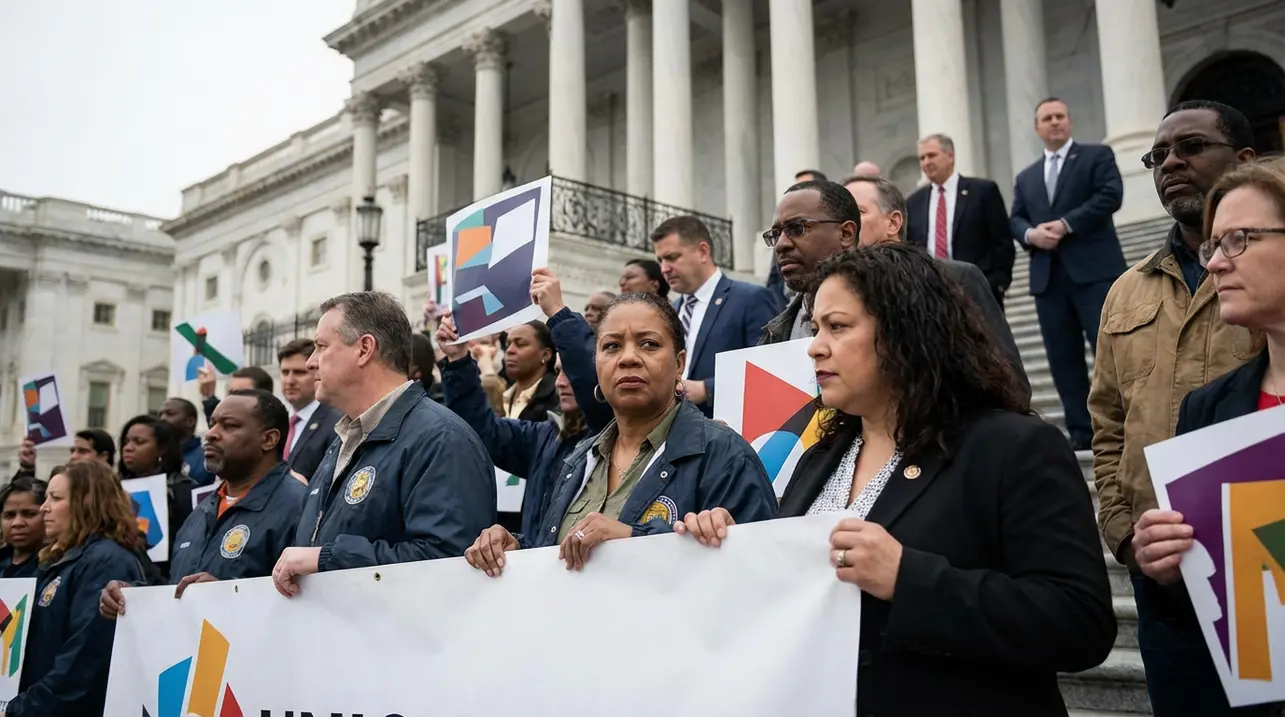
The battle lines are being drawn, and the latest skirmish over America's financial future just got a whole lot messier. Consumer advocacy groups, those self-appointed guardians of the public good, have now officially thrown their lot in with organized labor unions in a concerted push to derail the long-gestating crypto market structure bill making its way through the U.S. Congress.This isn't just another regulatory tiff; it's a fundamental clash of ideologies, a last-ditch stand by the old guard of centralized financial control against the inevitable, decentralized future represented by Bitcoin. The bill itself, a piece of legislative sausage stuffed with compromises, aims to provide some sorely needed clarity on how digital assets are classified and which of the alphabet soup of agencies—the SEC or the CFTC—gets to call the shots.Proponents, including a surprising number of forward-thinking lawmakers from both sides of the aisle, argue this framework is essential to prevent innovation from fleeing U. S.shores to more hospitable jurisdictions like Singapore or the EU. They see it as a necessary step to bring crypto out of the regulatory shadows and into the mainstream economic daylight, providing consumer protections through clear rules of the road rather than through the SEC's current strategy of regulation-by-enforcement, which has created a climate of paralyzing uncertainty.But to the coalition of unions and consumer watchdogs, this legislative effort is nothing short of a Trojan horse, a dangerous gift that would legitimize what they view as a predatory, volatile, and environmentally ruinous industry at the direct expense of the working families they claim to represent. Their rhetoric is predictably alarmist, painting with a broad brush that tars the entire digital asset ecosystem with the fraud of FTX and the hype of meme coins, willfully ignoring the bedrock innovation of Bitcoin's immutable, decentralized ledger.They fear, not without some historical precedent, that any regulatory framework will be quickly captured by industry lobbyists, creating a veneer of legitimacy for scams while doing little to curb the real excesses. This alliance is a marriage of convenience, uniting the techno-skepticism of old-school labor, which sees crypto as a threat to traditional banking and monetary policy levers, with the paternalistic instincts of consumer groups who believe the public is too naive to manage their own digital sovereignty.What they both fundamentally distrust is the core Bitcoin ethos: the radical idea that people don't need intermediaries to store and transfer value. The consequences of this political deadlock are stark.
#featured
#US crypto bill
#market structure
#consumer groups
#unions
#opposition
#regulation
#legislation