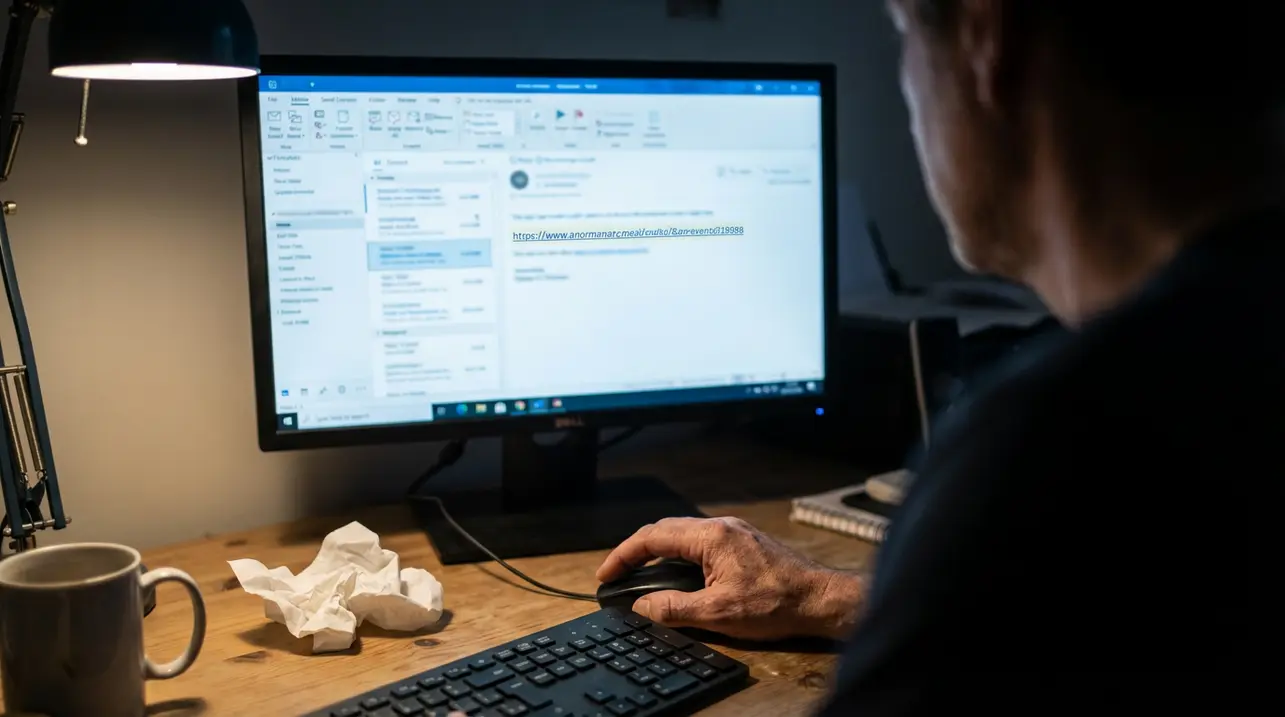
Few digital annoyances are as persistent as the spam email, a modern nuisance that feels as inevitable as death and taxes. Our inboxes become battlegrounds after our addresses are traded like baseball cards by data brokers, carelessly shared by websites we once trusted, or plundered in yet another data breach.The instinctive reaction, of course, is to hit that glaring 'unsubscribe' link and be done with it. But here’s the curious thing I’ve learned from diving down countless internet rabbit holes: that button is often a trap, a digital piece of cheese in a mousetrap.Clicking it can be one of the worst things you can do, transforming a minor irritation into a significant security liability. Let’s unpack why, because the mechanics are fascinating in a slightly sinister way.When you receive a blatant spam email—perhaps for a miracle supplement from a company you’ve never heard of—that unsubscribe link isn’t a courtesy; it’s a beacon. Embedded in that URL is a unique identifier, a little digital tag that screams your email address back to the sender the millisecond the page loads.You’ve just confirmed, beyond a shadow of a doubt, that a living, breathing human is on the other end, actively reading their junk. In the spam economy, a 'validated' address is a gold-plated asset, often sold at a premium to other spammers, guaranteeing you’ll receive even more garbage.That’s the optimistic scenario. The darker path is far more treacherous.Sophisticated phishing operations craft emails that are masterful forgeries, mimicking your bank, a streaming service, or a familiar retailer. These messages often include a professional-looking unsubscribe link, a clever bit of social engineering designed to exploit your desire for a clean inbox.Clicking doesn’t take you to a simple opt-out page. Instead, it redirects you to a flawlessly cloned login portal, where you’re prompted to 'verify your identity' or 'confirm your account details' to complete the unsubscribe process.Hand over your credentials there, and you haven’t stopped spam; you’ve handed the keys to your financial kingdom or digital identity to criminals. This isn’t speculation; it’s a well-documented tactic in the cybersecurity playbook.So, what’s the alternative? If you are absolutely, unequivocally certain the email is from a legitimate entity like Netflix or your actual bank—companies bound by laws like CAN-SPAM and GDPR—then using their unsubscribe mechanism is generally safe. Their reputation and legal standing depend on honoring those requests.The gray area is where danger lurks. For everything else, the far wiser move is to bypass the link entirely and use your email client’s native blocking function.
#email security
#spam prevention
#phishing
#online privacy
#digital safety
#featured
Stay Informed. Act Smarter.
Get weekly highlights, major headlines, and expert insights — then put your knowledge to work in our live prediction markets.
Blocking a sender is a silent, one-sided action that doesn’t send a signal back to the origin. In Gmail, it’s a click on 'More' then 'Block'; on Apple Mail, a swipe and a tap on 'Block Contact.
' This reroutes future messages from that address straight to the spam or trash folder, effectively creating a digital moat around your inbox without ever engaging the adversary. For those using Outlook or Yahoo, similar tools exist just a few clicks away in the settings.
The deeper, more philosophical solution, however, is to avoid the problem at its source by obfuscating your primary email address altogether. This is where tools like email aliases become a game-changer.
Services like Apple’s Hide My Email (a standout feature for iCloud+ subscribers) or third-party options like SimpleLogin allow you to generate unique, random email addresses for every website sign-up or form. If one of those aliases starts getting abused, you simply deactivate it—a clean, surgical strike that leaves your real inbox untouched.
It’s a proactive layer of privacy that renders the unsubscribe dilemma mostly moot. Google’s rumored 'Shielded Email' feature suggests even the big players see the value in this approach.
The core lesson here is one of digital skepticism. That unsubscribe link, so tantalizingly presented as a solution, is often a probe, a test of your vigilance.
In an online ecosystem optimized for engagement—positive or negative—the simple act of clicking is a data point. By choosing to block and alias instead, you reclaim a measure of control, treating your inbox not as a default destination for the world’s noise, but as a curated space you actively defend. It’s a small shift in behavior, but in the endless arms race between convenience and security, it’s one of the most effective defenses the average person can deploy.