CryptoregulationAsia-Pacific Regulations
$110 billion in crypto left South Korea in 2025 owing to strict trading rules
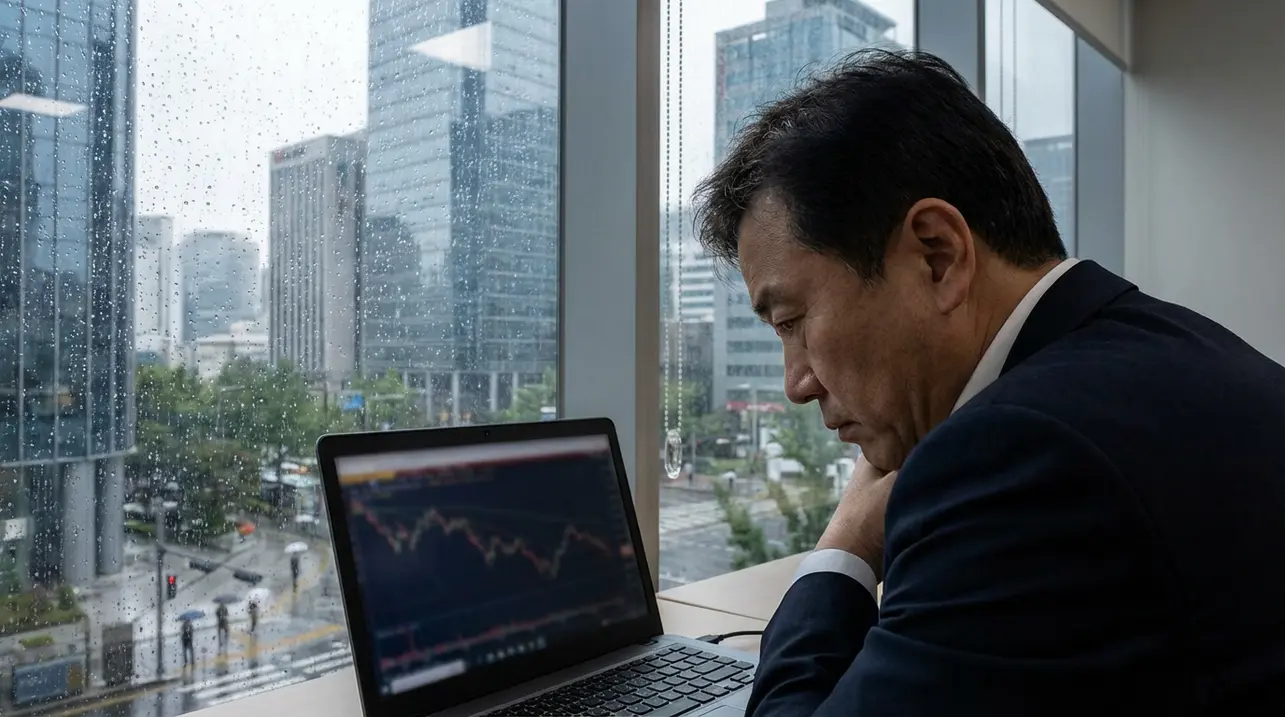
South Korea’s crypto exodus has just hit a staggering new milestone, with over $110 billion in digital assets fleeing the country in 2025, and if you ask me, this was a disaster foretold. The government’s relentless crackdown, a cocktail of stricter know-your-customer rules, punitive taxation, and outright hostility towards innovation, has finally pushed capital to its breaking point.This isn't just capital flight; it's a referendum on a regulatory regime that treats crypto investors like criminals and innovative protocols like contraband. For years, the 'Kimchi Premium'—the phenomenon where Bitcoin traded at a higher price in South Korea due to intense local demand—was the envy of the global market.Now, that premium has evaporated, replaced by a 'Kimchi Discount' as traders scramble to move assets to friendlier jurisdictions like Singapore, Japan, and the UAE. The core of this mess lies in the government's fundamental misunderstanding: they see crypto as a speculative casino to be controlled, rather than a foundational technology for financial sovereignty.By imposing draconian real-name trading systems and eye-watering capital gains taxes, they've not only choked domestic exchanges but also signaled to the world that South Korea is closed for business in the digital age. The consequences are already rippling through the economy.Local crypto startups, once thriving, are either shuttering or relocating their headquarters. Talent is following the money, creating a brain drain that will stifle innovation for a generation.Meanwhile, the traditional finance sector, which regulators were ostensibly trying to protect, is missing out on the seismic shift towards tokenization and decentralized finance. Look at the data: trading volumes on Upbit and Bithumb have plummeted by over 60% year-on-year, while derivatives and DeFi activity, which migrated to offshore platforms, have skyrocketed.This regulatory overreach is a classic case of cutting off your nose to spite your face. The authorities feared market manipulation and consumer protection—legitimate concerns—but their heavy-handed solution has caused far more damage than the problems they sought to solve.They've driven an entire industry underground or overseas, where Korean citizens have even less protection. The irony is thick enough to cut with a knife.In their quest for control, they've created a less transparent, more risky environment for their own people. The $110 billion figure isn't just money leaving; it's trust eroding, it's future growth being exported, and it's a stark warning to other nations contemplating similar crackdowns.
#featured
#South Korea
#crypto regulation
#capital outflows
#trading rules
#exchanges
#2025