CryptoregulationUS SEC and CFTC
Grayscale sees regulation, not quantum fears, shaping crypto markets in 2026
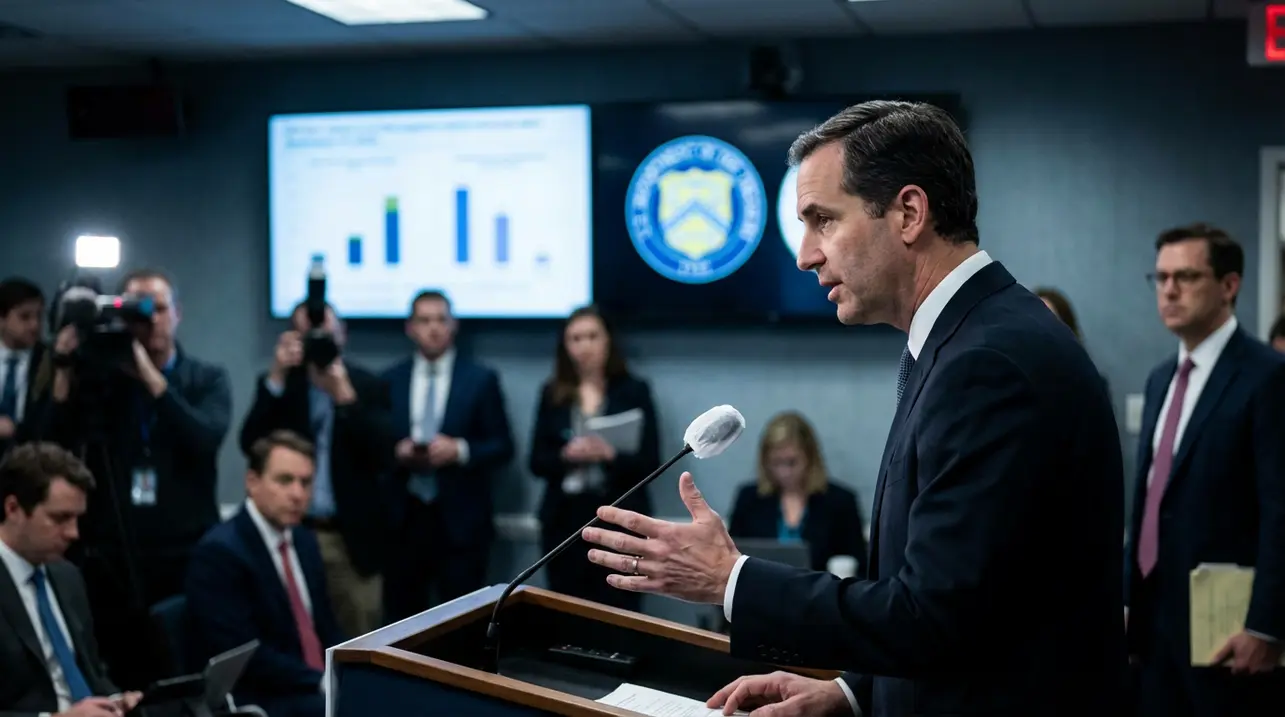
In a landscape perpetually buzzing with talk of quantum computing's existential threat to blockchain cryptography, Grayscale Investments is steering the conversation toward a more immediate and tangible force: regulation. The firm's latest analysis suggests that by 2026, it won't be the distant specter of quantum decryption that dictates the trajectory of crypto markets, but the concrete, evolving frameworks being drafted in legislative chambers and regulatory agencies today.This perspective, grounded in the messy reality of TradFi-DeFi convergence, offers a sobering counter-narrative to the futuristic doomsaying. The quantum narrative, while compelling, often feels like science fiction—a catastrophic but distant asteroid.Regulation, by contrast, is the weather system we navigate daily, capable of creating sunny bull runs or freezing ice ages for digital assets. Grayscale's focus here is pragmatic, recognizing that the next two years will be defined by jurisdictions racing to establish clear rules of the road, a process that will inevitably create winners and losers in the crypto ecosystem.We're already seeing this play out in the stark divergence between the U. S.'s cautious, enforcement-heavy approach and the more structured regimes emerging in places like the EU with MiCA and Hong Kong's deliberate licensing frameworks. This regulatory patchwork doesn't just create compliance headaches; it actively shapes capital flows, developer talent migration, and ultimately, market leadership.For instance, a clear, supportive regulatory stance on staking or tokenization could funnel billions in institutional capital toward specific protocols and chains, an impact far more profound than any theoretical quantum vulnerability. Grayscale's stance implies that the firms and projects spending the most energy today on regulatory engagement and compliance architecture are the ones positioning themselves for 2026 dominance.This includes everything from how Bitcoin and Ethereum ETFs are structured and traded to the survival of altcoins based on their utility within regulated parameters. The conversation shifts from 'Will a quantum computer break SHA-256?' to 'Which jurisdiction's rules will become the global standard for decentralized finance?' It's a battle of legal code, not just source code.Furthermore, this regulatory focus underscores the accelerating institutionalization of crypto. Large asset managers like Grayscale aren't primarily worried about decade-out technological shocks; they are managing portfolios against quarterly and annual risks, where regulatory clarity (or lack thereof) is the paramount variable.Their analysis suggests that by 2026, we'll have moved well beyond the binary question of 'is crypto legal?' to nuanced debates about consumer protection in DeFi, the tax treatment of cross-chain swaps, and the custody requirements for tokenized real-world assets. These are the issues that will dictate liquidity, volatility, and valuation.
#featured
#Grayscale
#crypto regulation
#quantum computing
#market outlook
#2026 forecast
#policy impact