AIresearch & breakthroughsDataset Innovations
Welcome to the Future of Noise Canceling
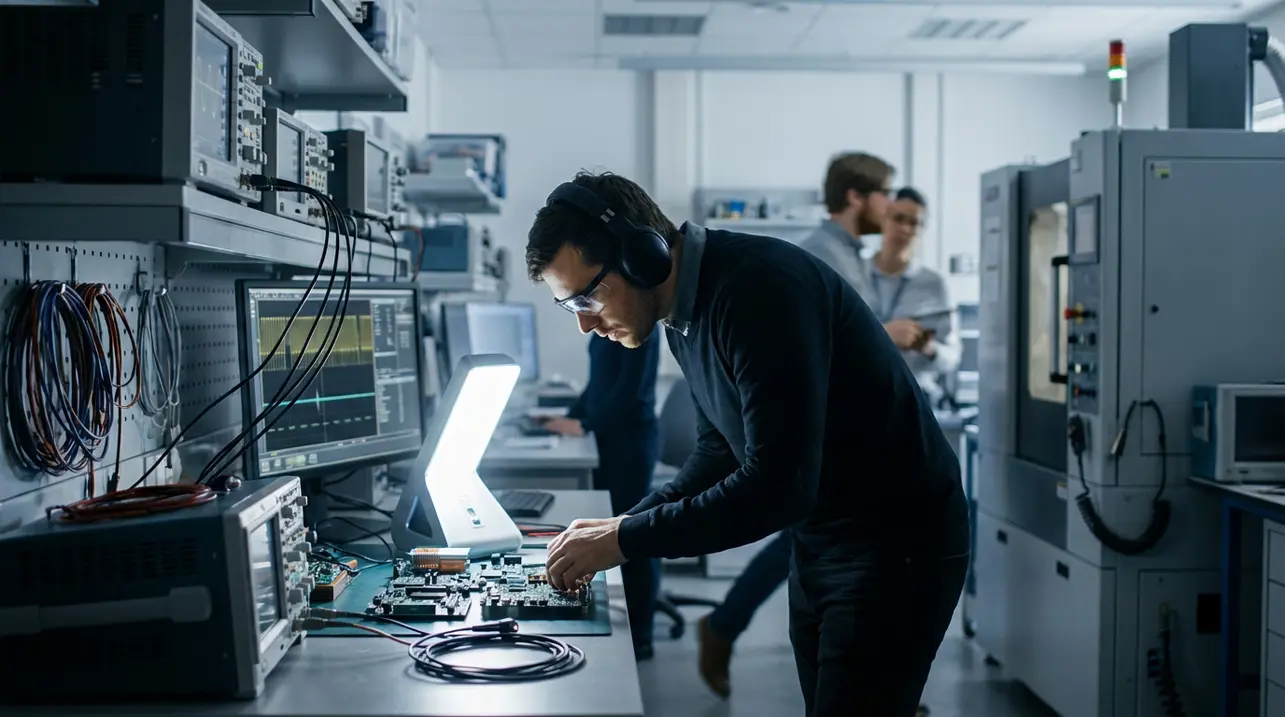
The relentless pursuit of silence is entering a new, profoundly algorithmic phase. In R&D labs from Silicon Valley to Shenzhen, the next generation of noise cancellation is being forged, moving far beyond the simple phase-inversion techniques that have defined consumer headphones for decades.This isn't just about drowning out a crying baby on a plane anymore; it's about creating dynamic, intelligent auditory bubbles, a concept that edges us closer to science fiction. The core of this revolution lies in the marriage of advanced sensor arrays and machine learning models trained on petabytes of real-world sound data.Imagine earbuds equipped with multiple external microphones not just capturing noise, but classifying it in real-time—distinguishing between the valuable signal of a colleague's voice and the chaotic din of a coffee shop, between the desired roar of a stadium crowd and the intrusive chatter of the person behind you. The processing is shifting from generalized filtering to contextual understanding, a task perfectly suited for on-device neural networks that can make these split-second, nuanced decisions without latency.We're seeing prototypes that employ beamforming techniques borrowed from telecommunications and convolutional neural networks (CNNs) typically used for image recognition, now applied to audio spectrograms to isolate and eradicate specific sound profiles with surgical precision. The implications stretch far beyond consumer convenience.Consider professional environments: open-plan offices could become zones of focused quiet, construction sites safer as machinery noise is selectively muted for communication, and even therapeutic settings where tailored soundscapes could aid in treating conditions like tinnitus or hyperacusis. However, this frontier is not without its ethical and philosophical debates.As someone who follows AGI discussions closely, I see parallels: what happens when our personal auditory filters are so effective they algorithmically determine what information from the shared physical world we are permitted to hear? The potential for social fragmentation is real, creating a world where we all exist in bespoke, curated sonic realities. Furthermore, the energy and data requirements for continuous, AI-driven audio processing pose significant challenges for battery life and privacy.The leaders in this space aren't just audio companies anymore; it's a battleground involving tech giants like Apple and Google, specialized AI startups, and academic institutions pushing the boundaries of psychoacoustics. The goal is no longer mere noise reduction, but computational auditory scene management—a complete software-defined control over our immediate aural environment.
#noise canceling
#research and development
#audio technology
#innovation
#future tech
#lead focus news