

AIai safety & ethicsAI Regulation and Policy
Trump wants to stop states from regulating AI
MI
Michael Ross
1 month ago7 min read
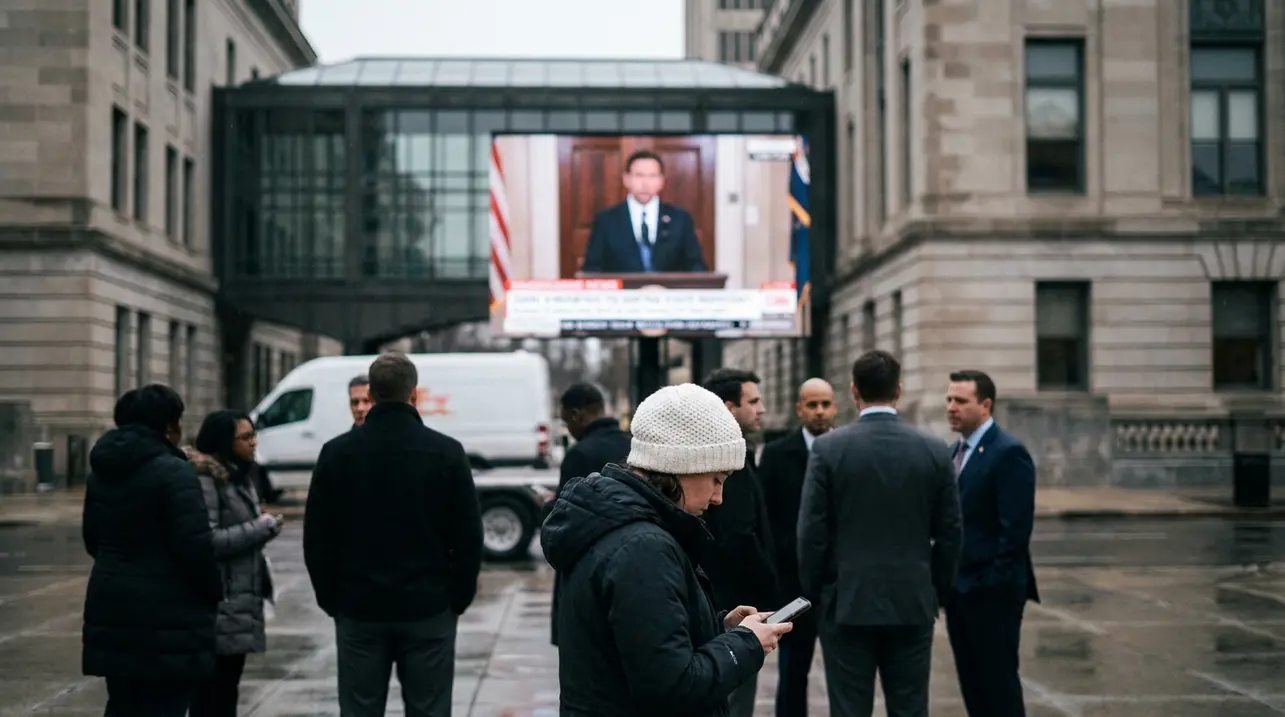
Former President Donald Trump is proposing a federal-first strategy for artificial intelligence regulation, arguing that allowing individual states to craft their own AI laws would result in a chaotic patchwork that stifles innovation and burdens tech companies with conflicting compliance demands. This position echoes a growing anxiety among some federal lawmakers who, during a recent congressional roundtable, voiced deep concerns about AI’s rapid evolution and the urgent need for a unified national framework.The debate gains urgency as states like California and New York move forward with their own AI bills targeting algorithmic bias, transparency, and safety standards—moves that critics say could leave consumers exposed if federal protections prove too weak or slow to materialize. Behind the policy wrangling, the stakes are amplified by major industry shifts: Meta is reportedly planning 8,000 layoffs while redirecting billions toward AI development, aggressively poaching talent from rival labs, and quietly scaling back its climate change messaging—likely to deflect scrutiny over the surging energy demands of its AI data centers.What we’re witnessing is AI governance transforming into a central political and corporate battleground, where the tension between state-level experimentation, federal oversight, and industry self-interest creates a high-stakes puzzle with no easy answers. The question is whether the U.S. can forge a coherent path that balances innovation, safety, and accountability before the technology outpaces the rules meant to guide it.
#AI regulation
#US AI policy
#Trump
#Congress
#Meta
#federal preemption
#state laws
#roundtable
#layoffs
#climate
#editorial picks
Stay Informed. Act Smarter.
Get weekly highlights, major headlines, and expert insights — then put your knowledge to work in our live prediction markets.
Related News







1 month ago
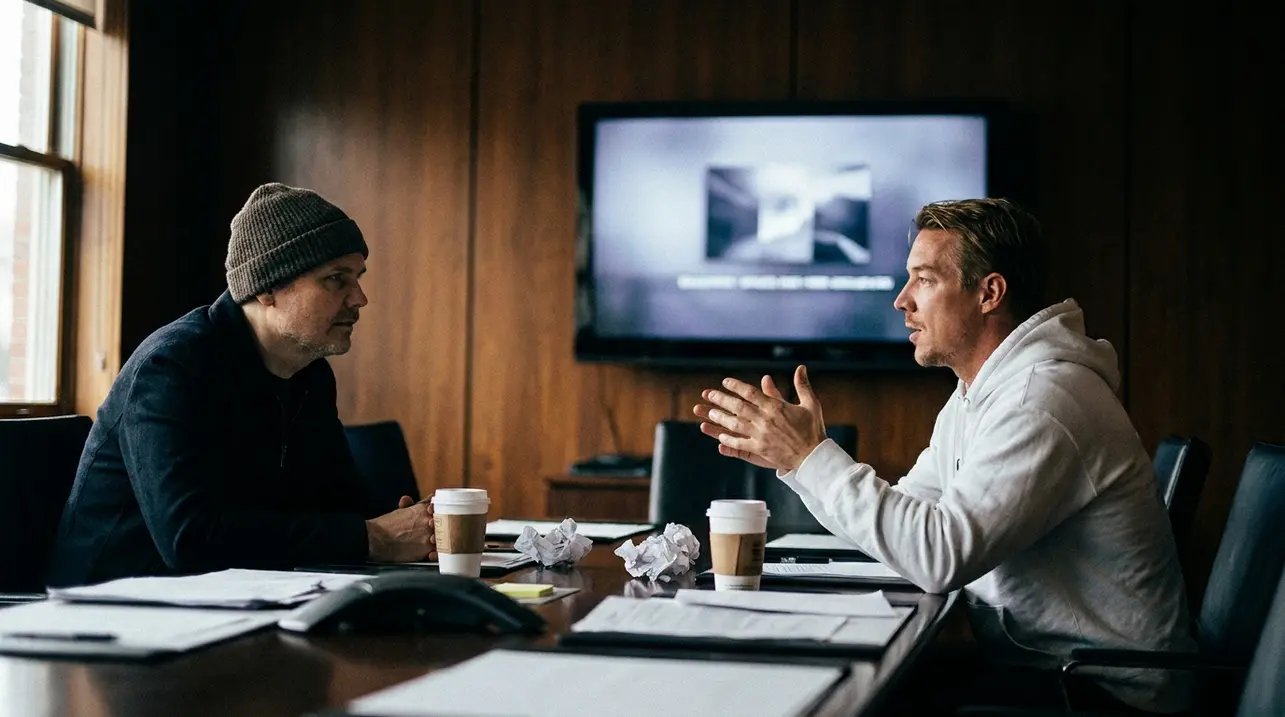
Billy Corgan and Diplo debate AI use in music industry.

1 month ago
Black Forest Labs' Self-Flow makes AI training 2.8x more efficient

1 month ago
Meta and Broadcom Extend AI Chip Partnership to 2029
1 month ago
Outpoll Weekly Recap: Entertainment (April 20 – 26, 2026)

1 month ago
Outpoll Weekly Recap: AI (April 20 – 26, 2026)
Comments
It's quiet here...Start the conversation by leaving the first comment.