

AIlarge language modelsGoogle Gemini
Google Introduces AI-Generated Avatars for YouTube Shorts
SO
Sophia King
2 months ago7 min read
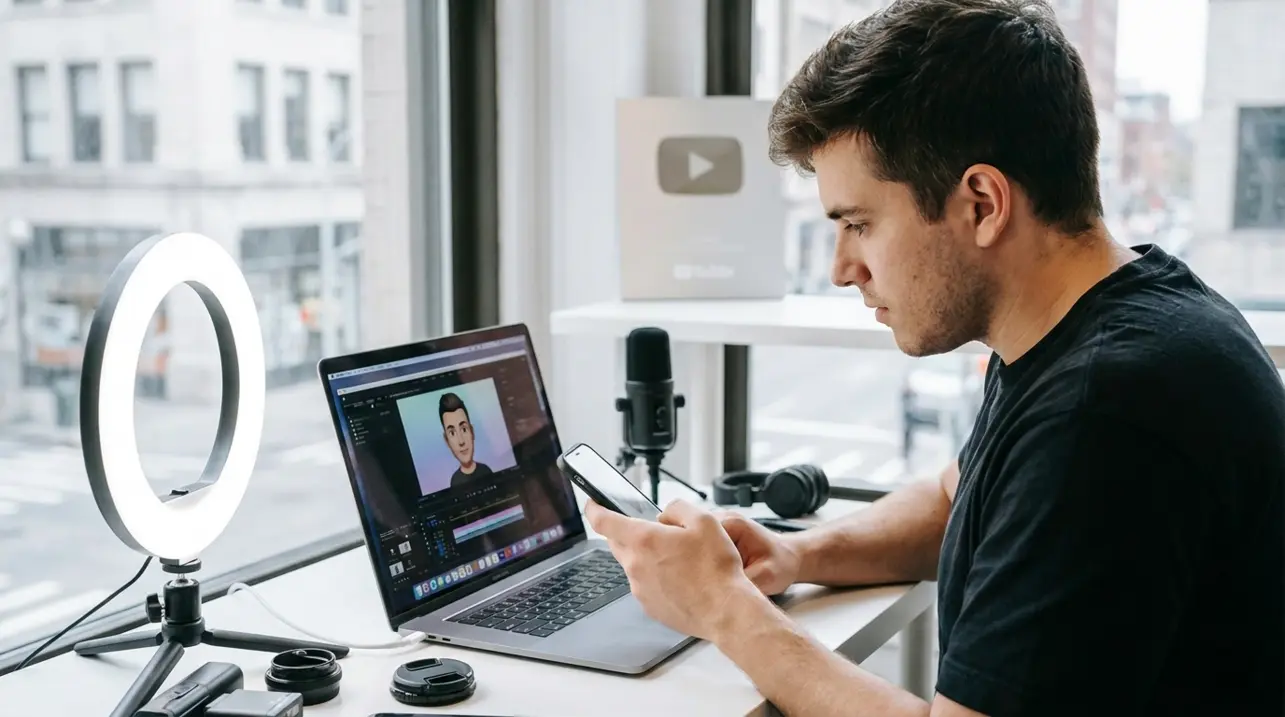
Google just gave YouTube Shorts creators a shiny new toy to play with — AI-generated avatars. Think of it like having a digital twin that you can dress up, tweak the expressions on, and drop into your videos without ever touching a traditional camera or learning complex editing software.It’s the kind of creative shortcut that makes you wonder why we ever spent hours fiddling with lighting and retakes. Powered by Google’s latest generative AI models, these avatars are designed to help anyone with a story to tell produce polished, engaging content fast.For small creators, indie brands, or just someone who wants to experiment with a fun alter ego, it removes a huge barrier to entry. But this is also where things get a little tricky — because every powerful creative tool comes with a shadow side.The same tech that lets you build a friendly cartoon version of yourself could easily be twisted to create deceptive deepfakes or misleading content. Google’s trying to stay ahead of the mess by slapping watermarks on AI-generated clips and ramping up content moderation, but critics are already asking if that’s enough.And honestly, it’s a fair question. As AI avatars start popping up everywhere — from TikTok filters to Instagram stickers — the line between real and generated keeps blurring.We’re entering an era where authenticity isn’t just a nice-to-have; it’s becoming the most valuable currency in content creation. Google’s move is exciting, no doubt, but it also feels like another step into a world where we’ll need to be more skeptical of what we see, and more intentional about how we create.
#Google
#AI
#avatars
#YouTube Shorts
#generative AI
#content creation
#deepfakes
#regulation
#featured
Stay Informed. Act Smarter.
Get weekly highlights, major headlines, and expert insights — then put your knowledge to work in our live prediction markets.
Related News



2 months ago
Trump wants to stop states from regulating AI

2 months ago
Canva Repositions as an AI Platform with Design Tools
2 months ago
Billy Corgan and Diplo debate AI use in music industry.

2 months ago
Black Forest Labs' Self-Flow makes AI training 2.8x more efficient

2 months ago
Meta and Broadcom Extend AI Chip Partnership to 2029
Comments
It's quiet here...Start the conversation by leaving the first comment.