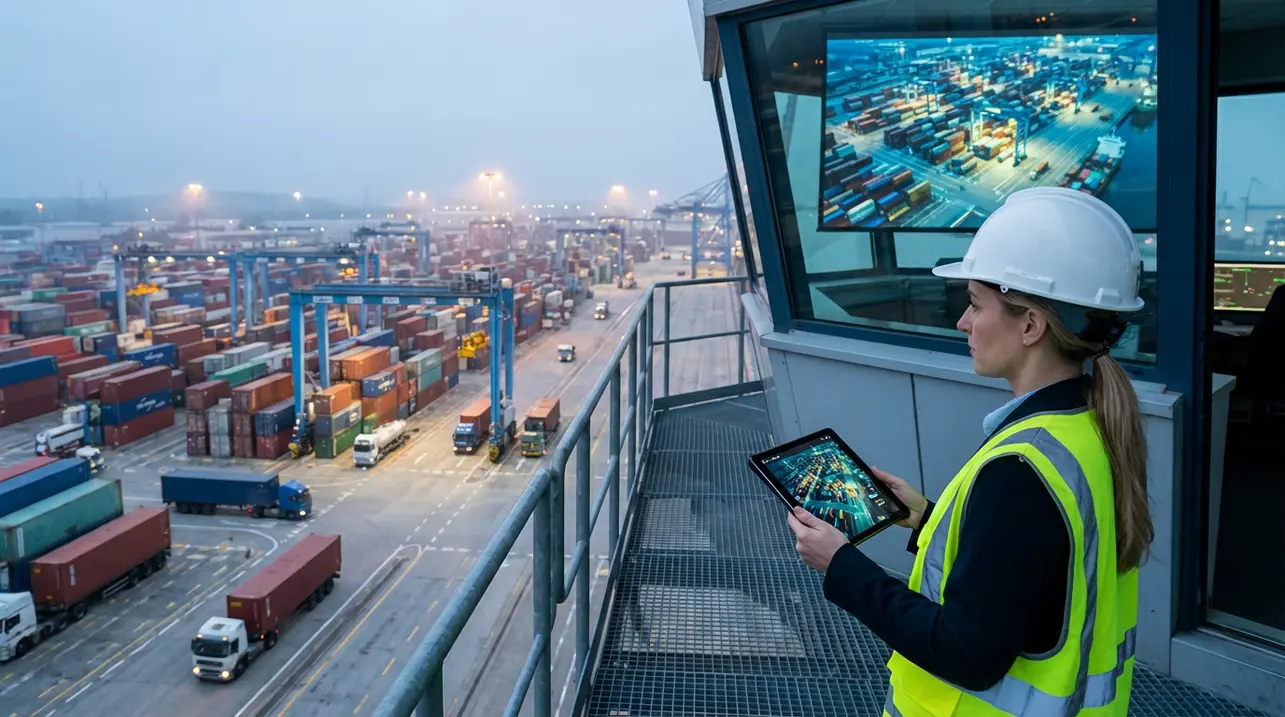
The Next Big Thing in Corporate AI: World Models
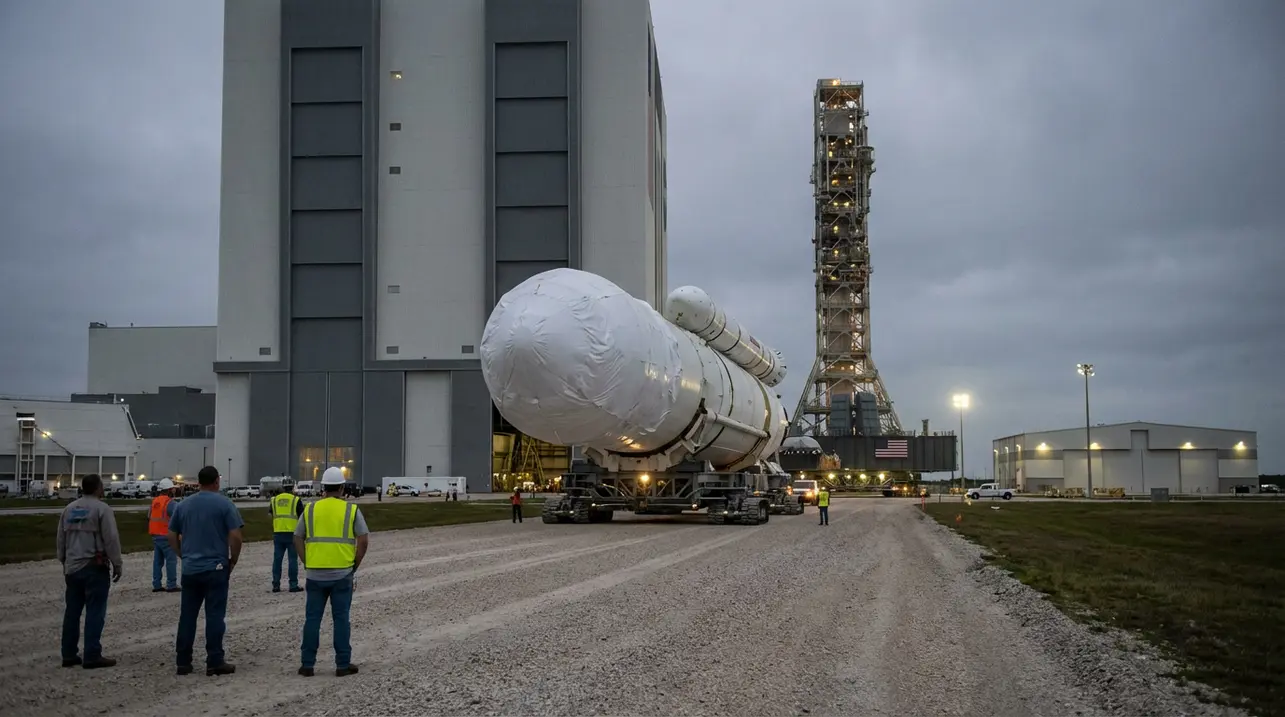
NASA to Move Artemis II Rocket to Hangar for Repairs

Outpoll Weekly Recap: Entertainment (February 16 – 22, 2026)
Outpoll Weekly Recap: AI (February 16 – 22, 2026)

Medicare's AI pilot for claims review raises risks and concerns.
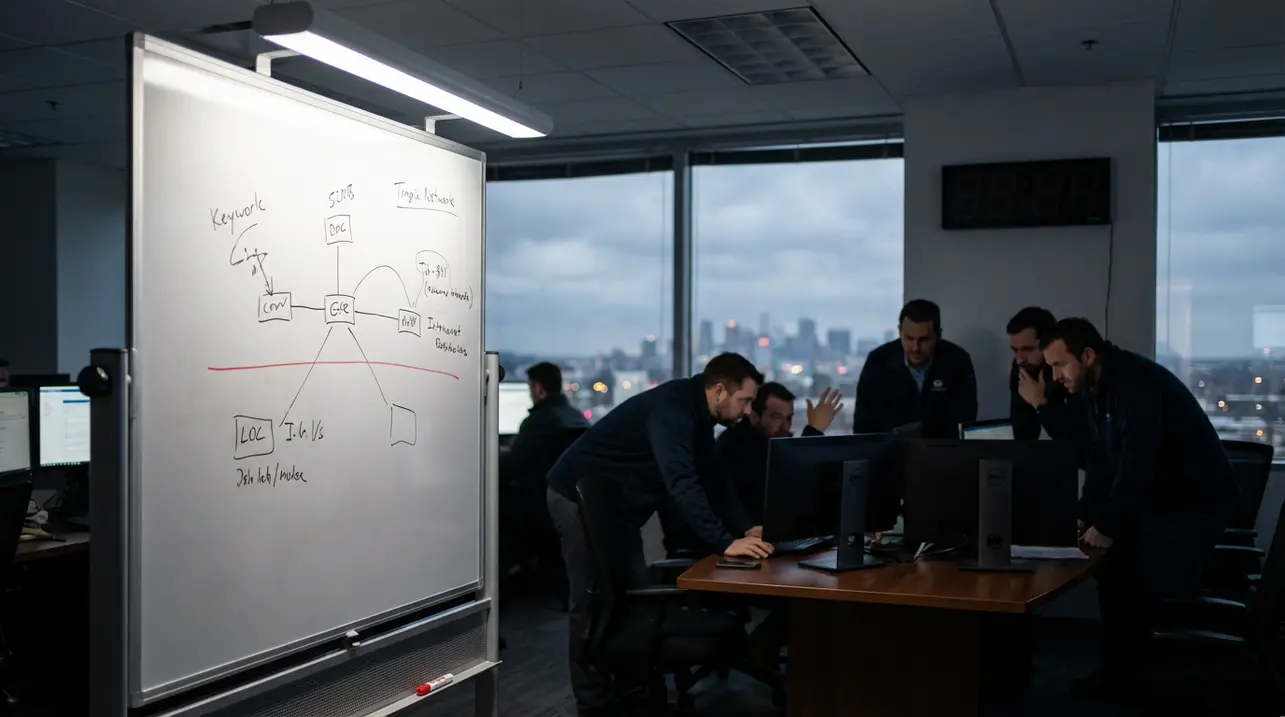
An AI coding bot caused an AWS outage in December.
The Next Big Thing in Corporate AI: World Models
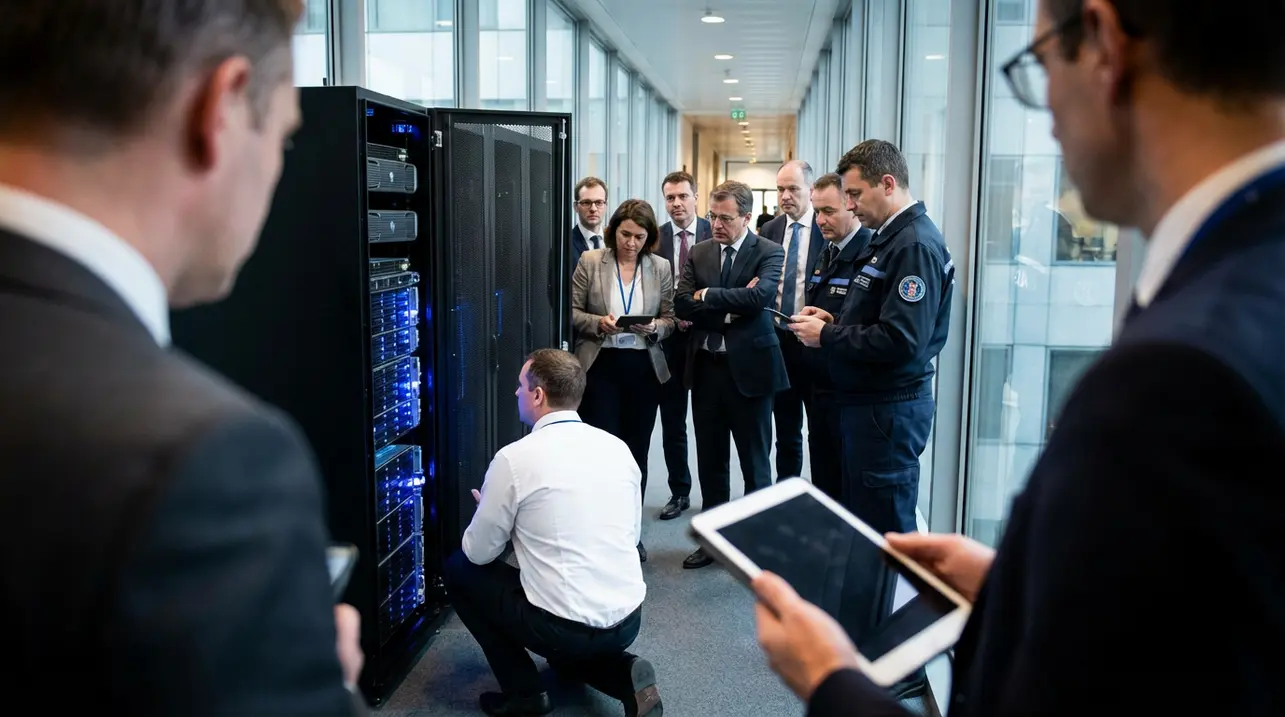
European Parliament Disables AI on Work Devices Over Security Concerns
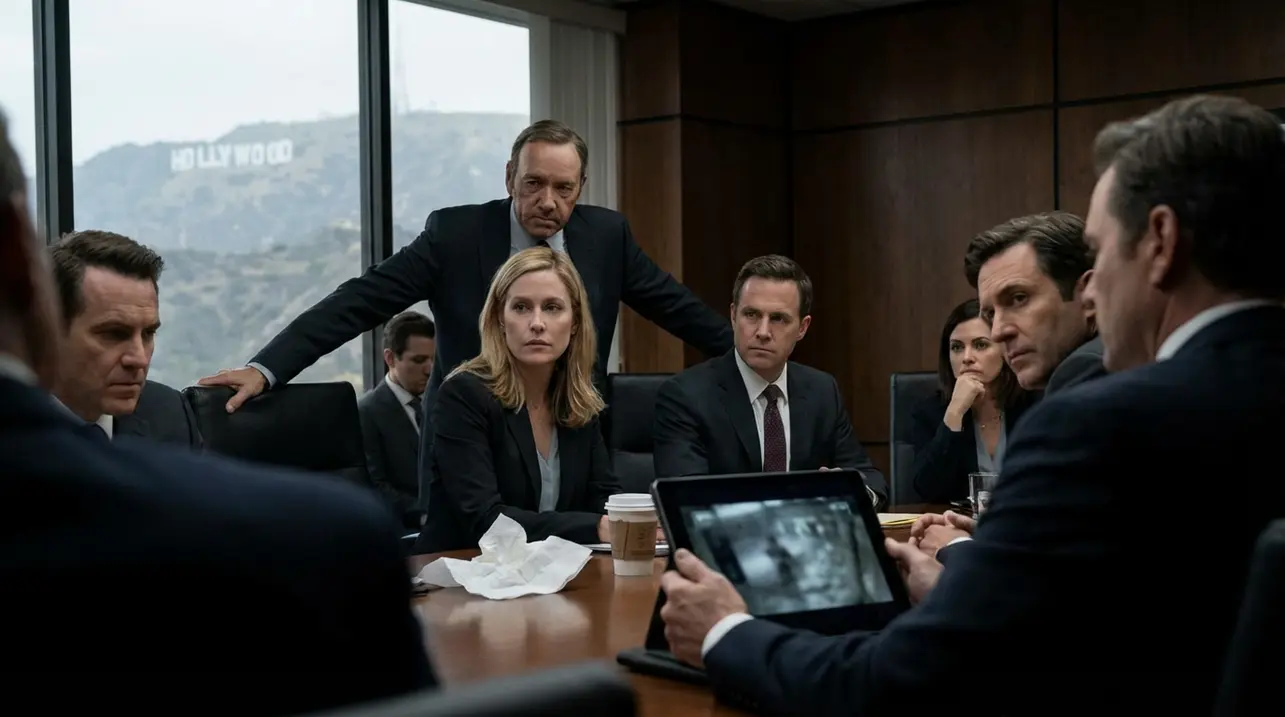
Hollywood Panics Over Viral AI Video of Pitt and Cruise Fighting
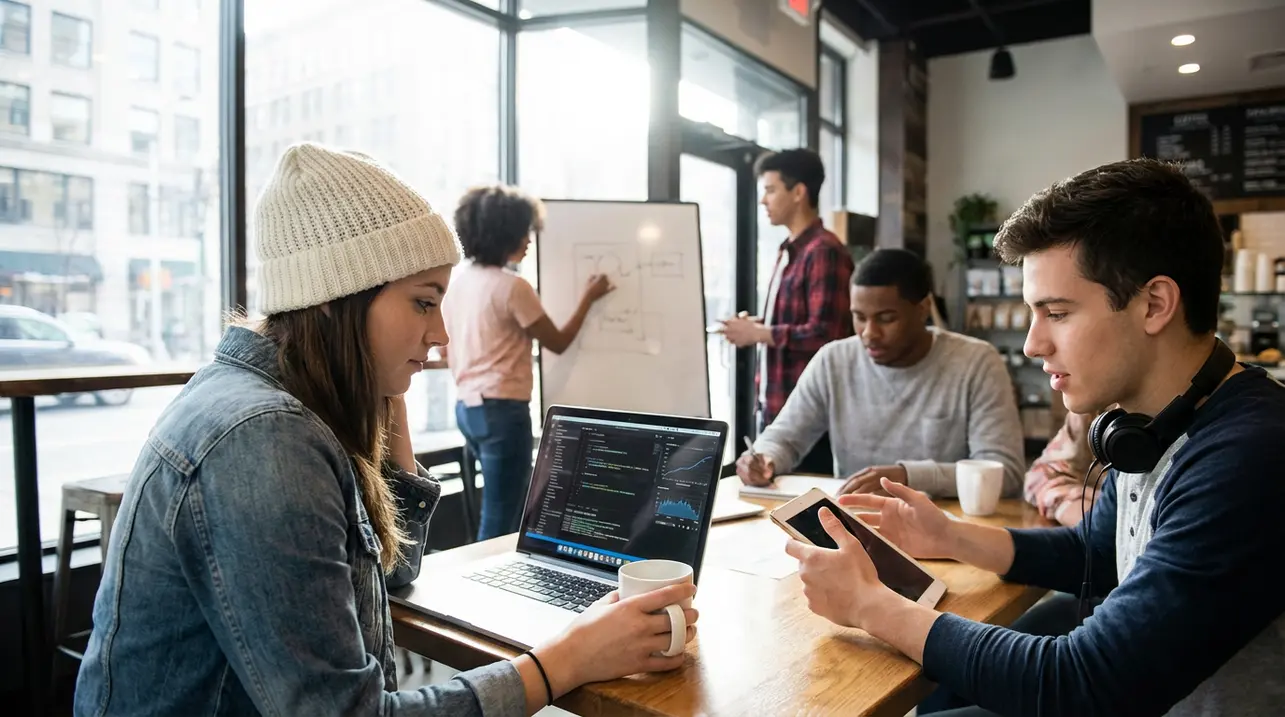
Gen Z optimistic about careers despite AI concerns and job market challenges.
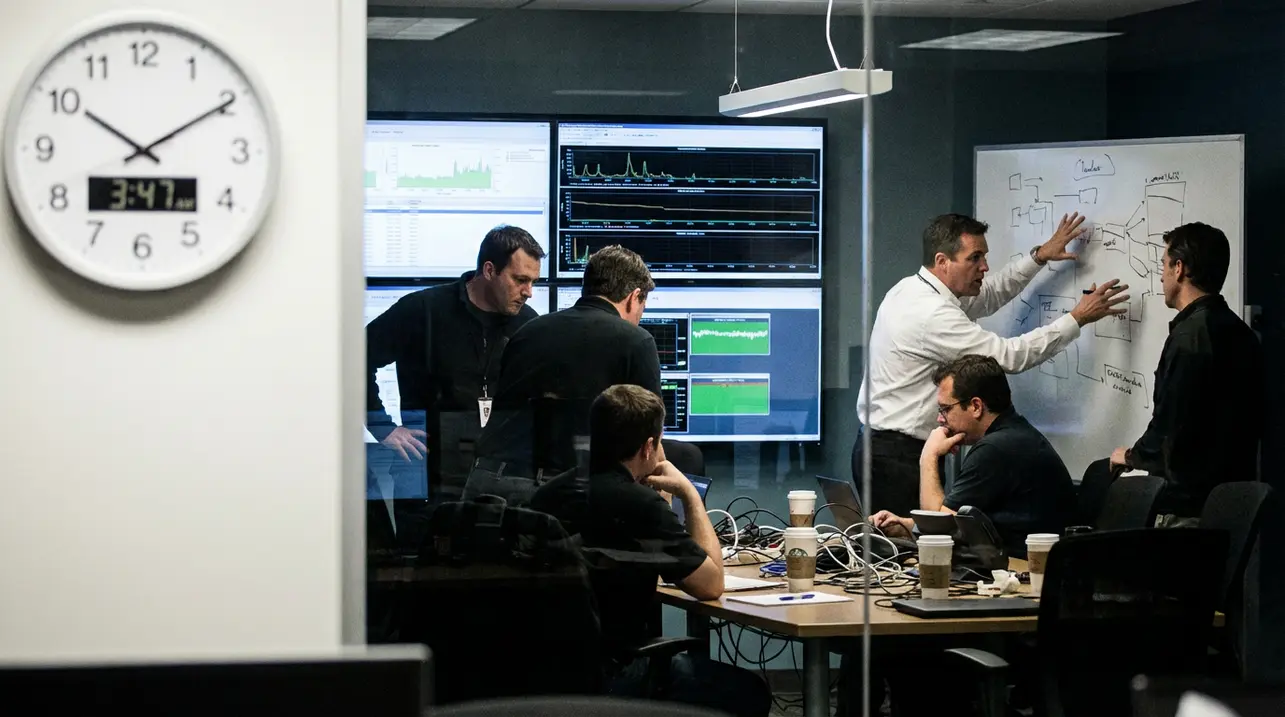
AWS outage caused by Amazon's own AI tool Kiro

Costa Rica's rainforests regrow despite global deforestation trend.

White men file workplace discrimination claims but face less inequity
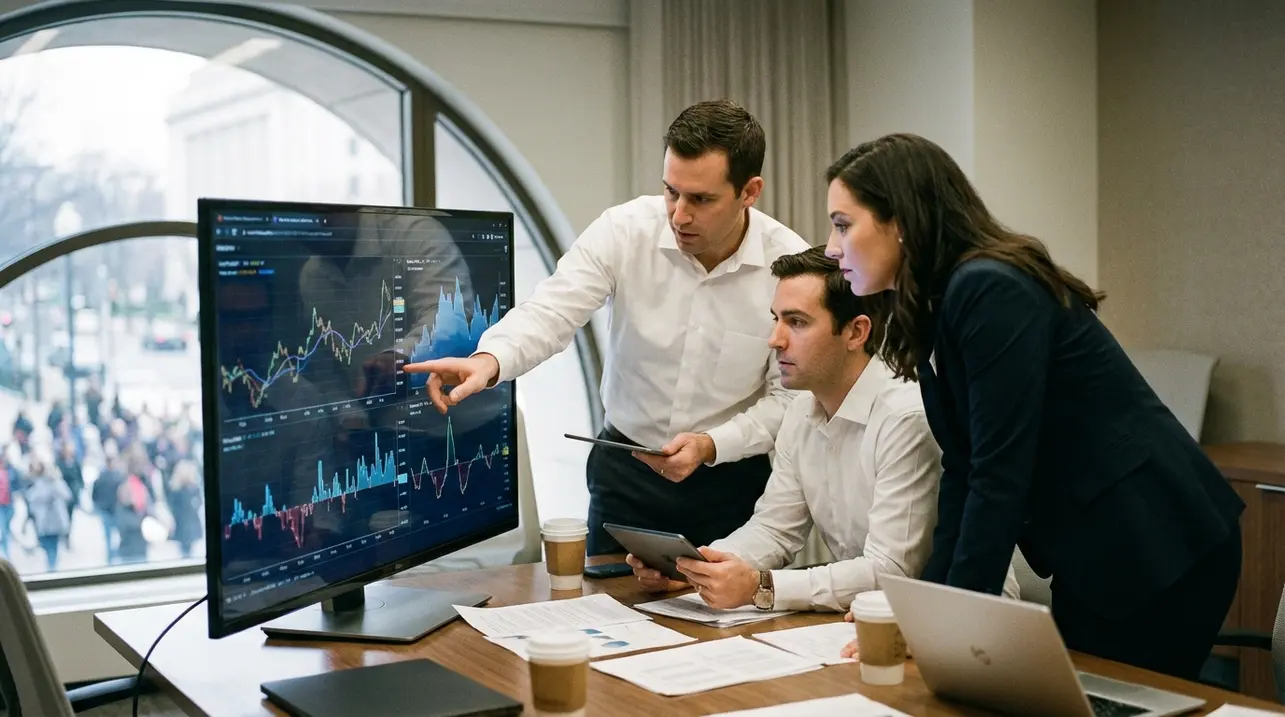
U.S. Federal Reserve researchers sing praises of prediction markets

Typography might be the last thing AI can't fake
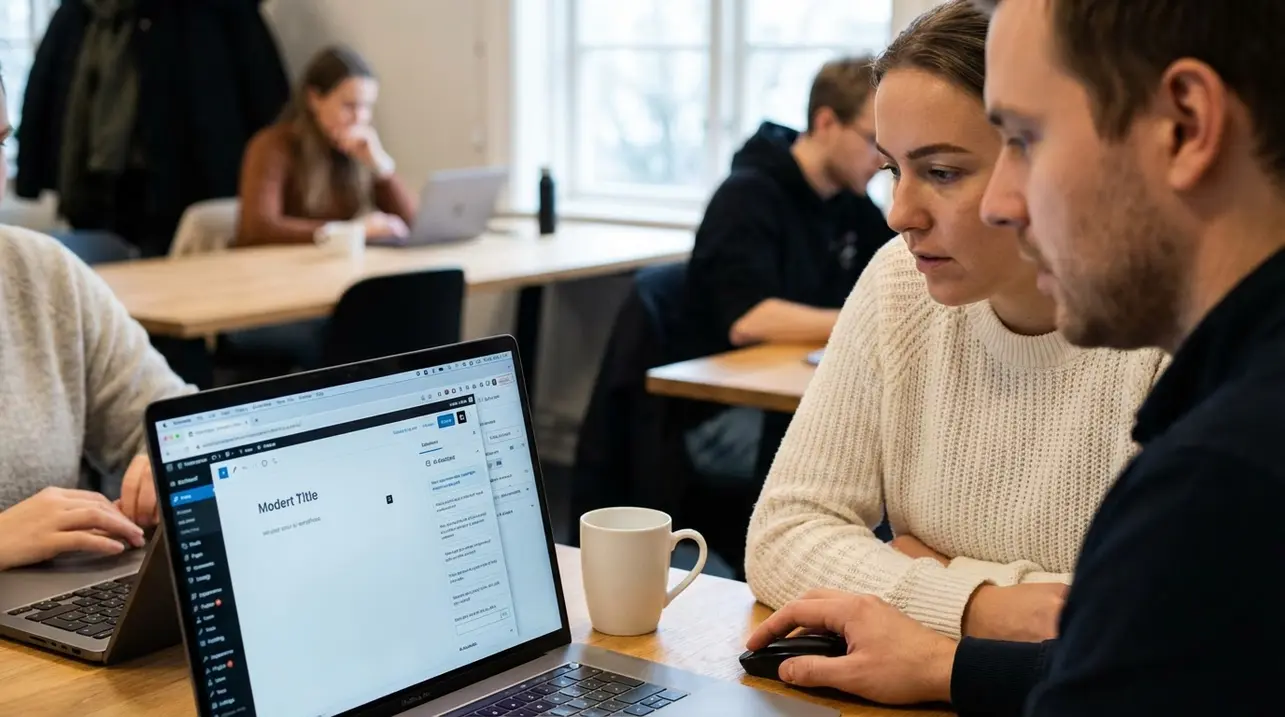
WordPress adds an AI assistant for editing and media creation.
