


An AI coding bot caused an AWS outage in December.
Stay Informed. Act Smarter.
Get weekly highlights, major headlines, and expert insights — then put your knowledge to work in our live prediction markets.

US Retail Sales Surge in May Despite High Gasoline Prices
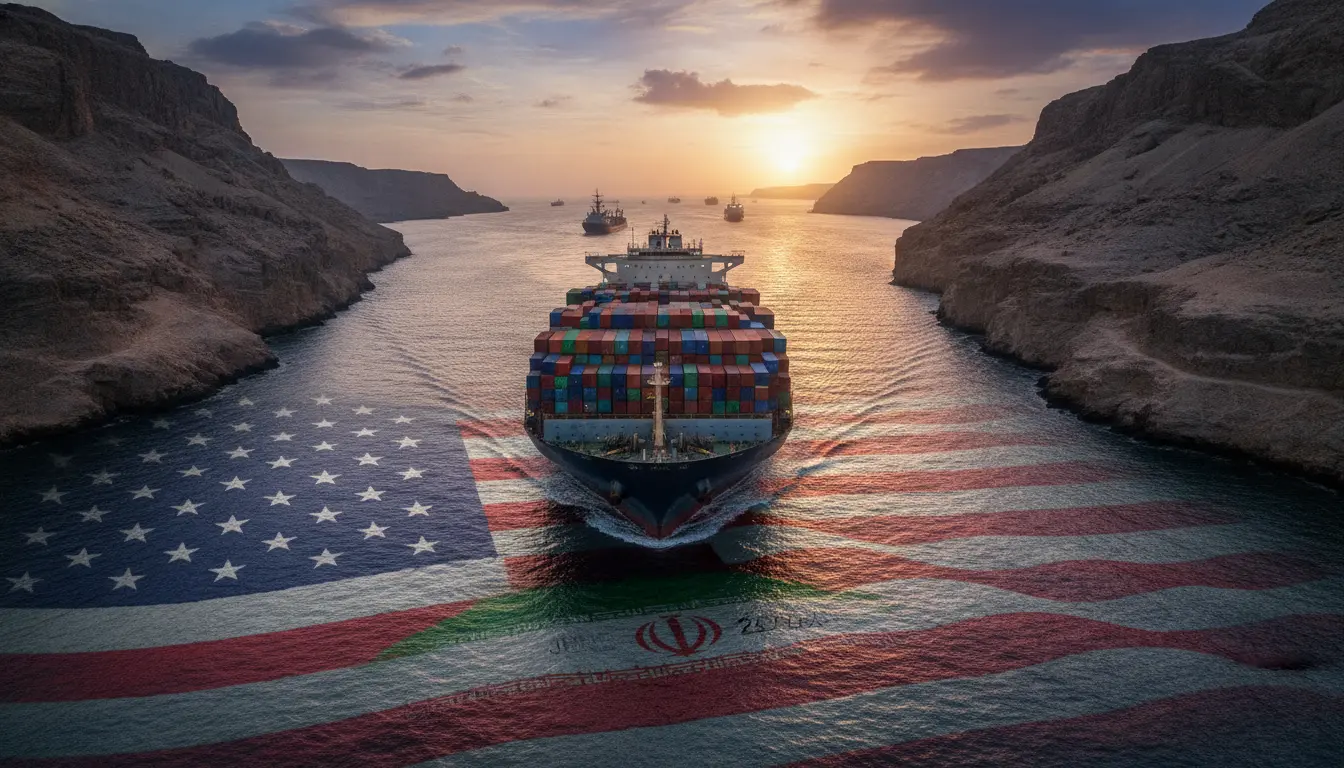
Will the Strait of Hormuz be fully reopened to international shipping by Friday, June 20, 2026?

Will the G7 nations announce a binding international AI regulatory agreement by June 18, 2026?
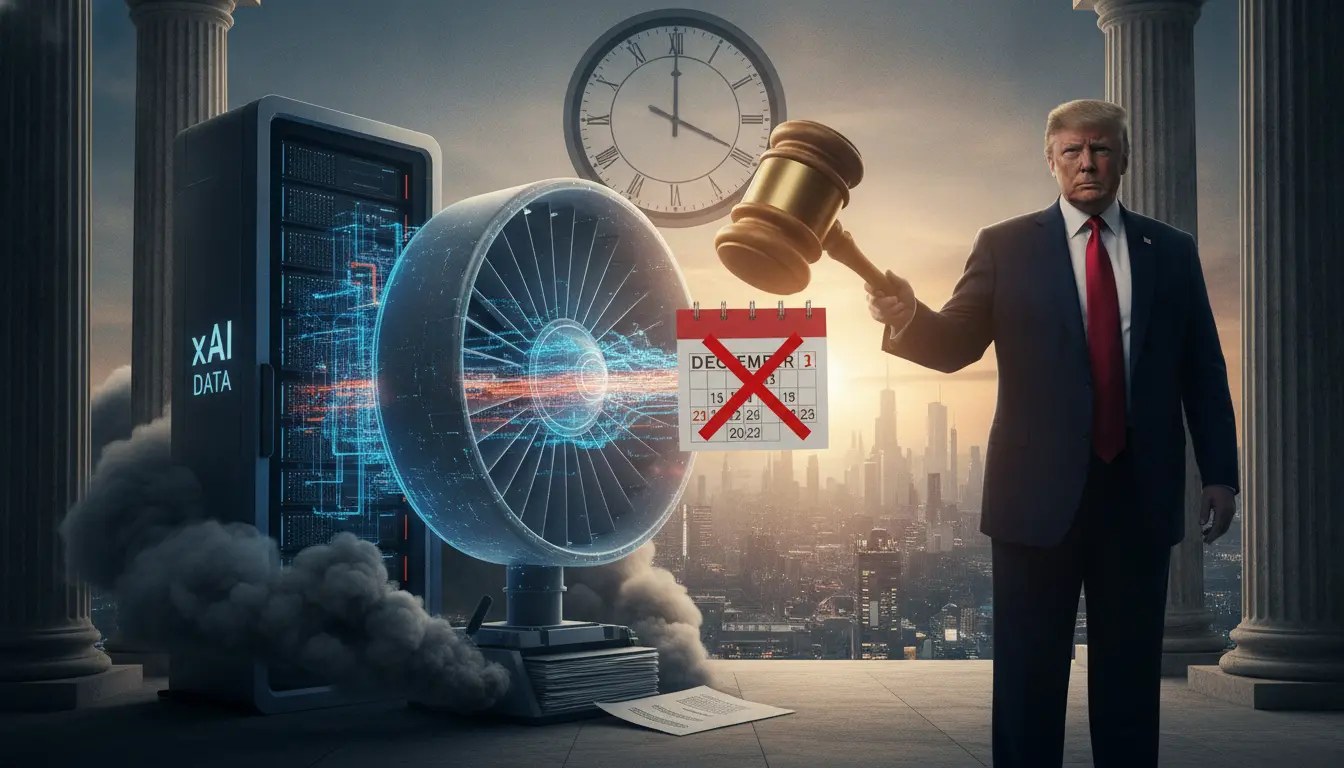
Will the Trump administration successfully halt the air pollution lawsuit against xAI data by December 31, 2026?

Will SpaceX formally complete its acquisition of AI startup Cursor for $60 billion by September 30, 2026?

Will Coinbase officially launch tokenized stock trading for U.S. retail investors by October 31, 2026?

Will a verifiable AI-generated deepfake significantly impact the outcome of a US federal election in 2026?

Will Benjamin Netanyahu remain Prime Minister of Israel until at least December 31, 2026?
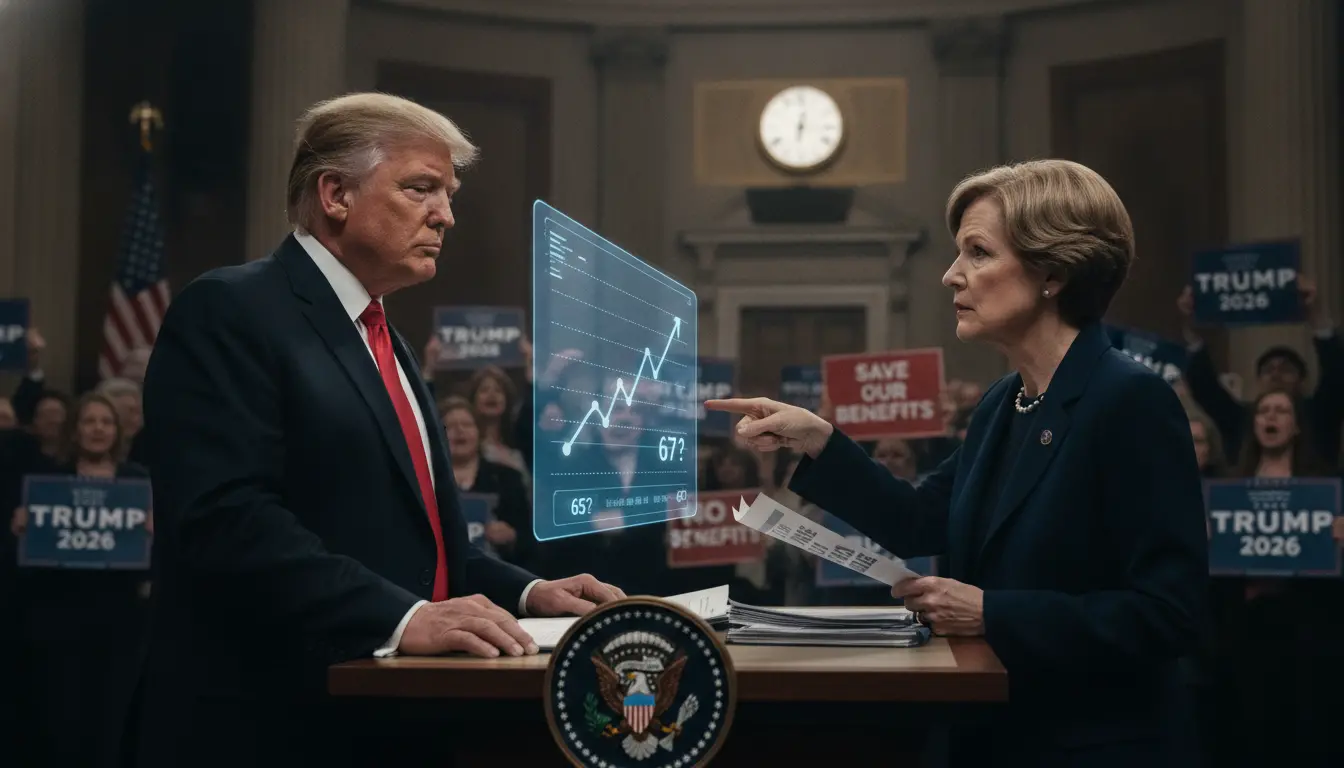
Will Donald Trump publicly endorse raising the Social Security retirement age before the 2026 US midterm elections?