AInlp & speechSpeech-to-Text APIs
SwitchBot AI Wearable Records and Transcribes Everything You Say
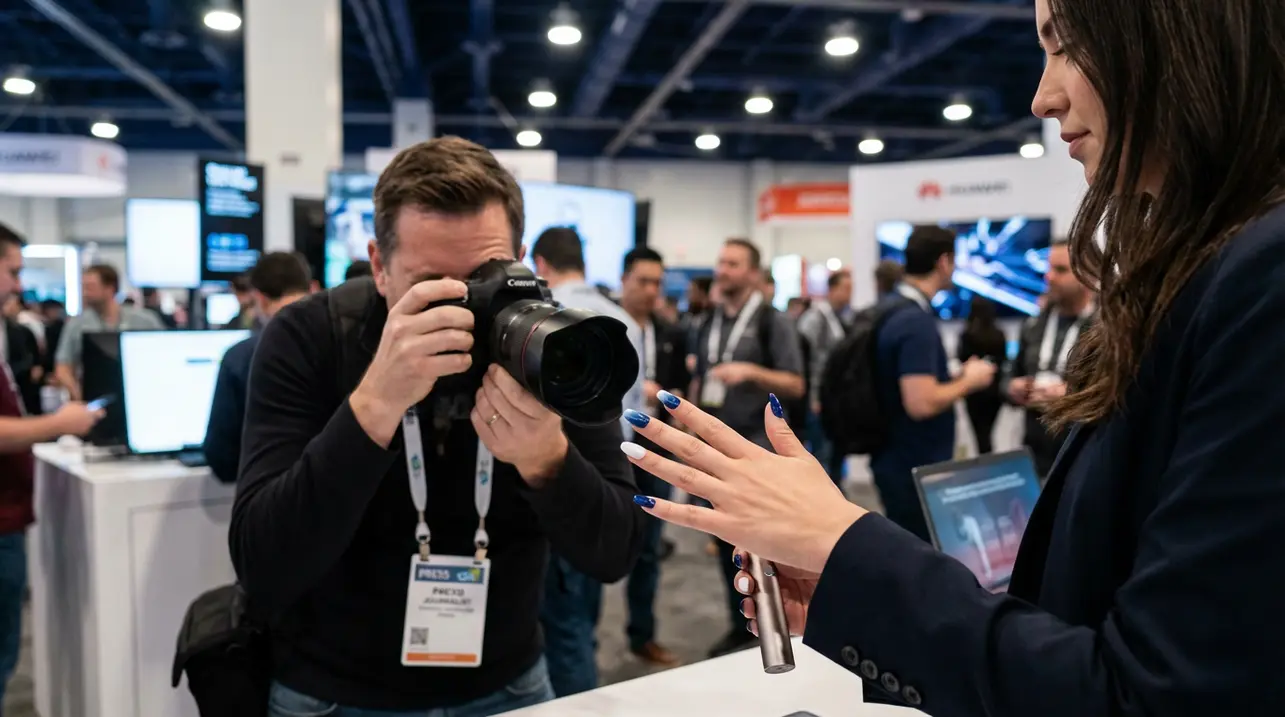
The fantasy of a personal scribe, once the province of aristocrats and authors, has been a persistent dream in the annals of human productivity. At CES, SwitchBot presented a starkly modern, if less romantic, interpretation of this concept with its AI MindClip, a wearable microphone designed to perpetually record and transcribe a user's spoken words.This device enters a burgeoning market of AI-powered loggers, joining competitors like Plaud, all vying to become the definitive external memory for our daily lives. However, SwitchBot aims to differentiate itself not merely through capture, but through comprehension; its proposed AI is touted to summarize conversations and autonomously generate reminders based on inferred needs, a step toward proactive, context-aware personal assistance.While the company's representatives were light on operational details, availability, and pricing—leaving hands-on demonstrations for a future date—the implications of such a device warrant a deeper examination of the trajectory from simple voice memos to ambient intelligence. The core technology likely hinges on a combination of efficient, low-power always-listening hardware and sophisticated on-device or cloud-based large language models (LLMs) capable of real-time diarization and intent recognition.This moves beyond the passive recording of a smartphone's voice assistant, aspiring instead to create a continuous, searchable log of one's auditory intellectual output. The potential utility is immense for professionals in meetings, journalists conducting interviews, or anyone seeking to offload the cognitive burden of remembering fleeting ideas.Yet, this utility is inextricably linked to profound technical and ethical challenges. From a research perspective, the accuracy of such a system in noisy, multi-speaker environments remains a significant hurdle, as does the AI's ability to reliably distinguish between a casual remark and a actionable commitment—a problem of pragmatics and context that even advanced LLMs struggle with.The promise of 'AI initiative' in creating reminders teeters on the edge of useful automation and frustrating overreach, risking a deluge of false-positive nudges that could erode trust in the system. Furthermore, the data architecture is paramount: is processing done locally, preserving privacy, or does it require a constant cloud sync, creating a lifetime archive of one's most private conversations on corporate servers? The specter of data breaches or unauthorized access to such an intimate transcript is a chilling one, raising questions that go beyond terms of service and into the realm of personal sovereignty.Historically, we can look to the evolution of lifelogging, from Gordon Bell's MyLifeBits project to the brief, controversial rise of devices like the Narrative Clip, to understand the public's oscillating appetite for total self-documentation versus privacy. The AI MindClip represents the next logical phase, where the log is not just a raw dump of data but an actively parsed and interpreted narrative of one's life.
#[featured
#SwitchBot
#AI MindClip
#wearable microphone
#speech transcription
#CES 2026
#AI summarization
#personal assistant]