AIenterprise aiAI in Finance and Banking
SAP Experiment Exposes Human Bias: AI's 95% Accuracy Dismissed When Its Source Is Known
MI2 days ago7 min read1 comments
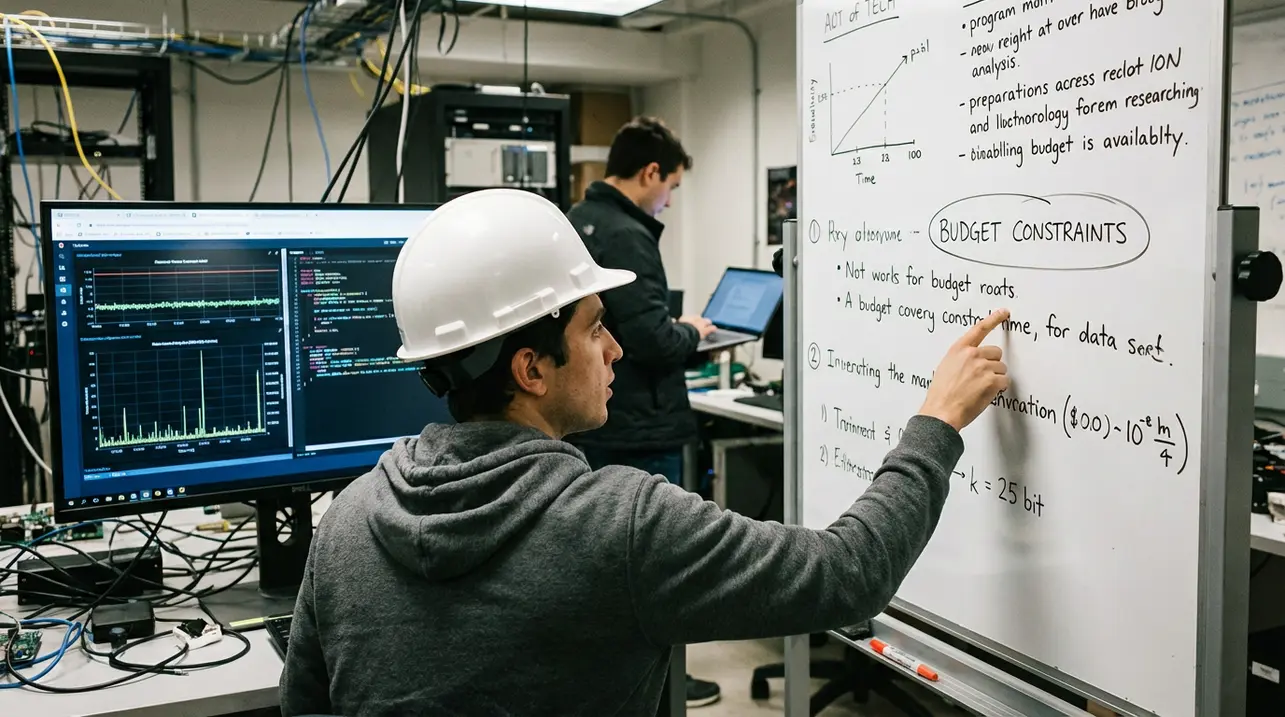
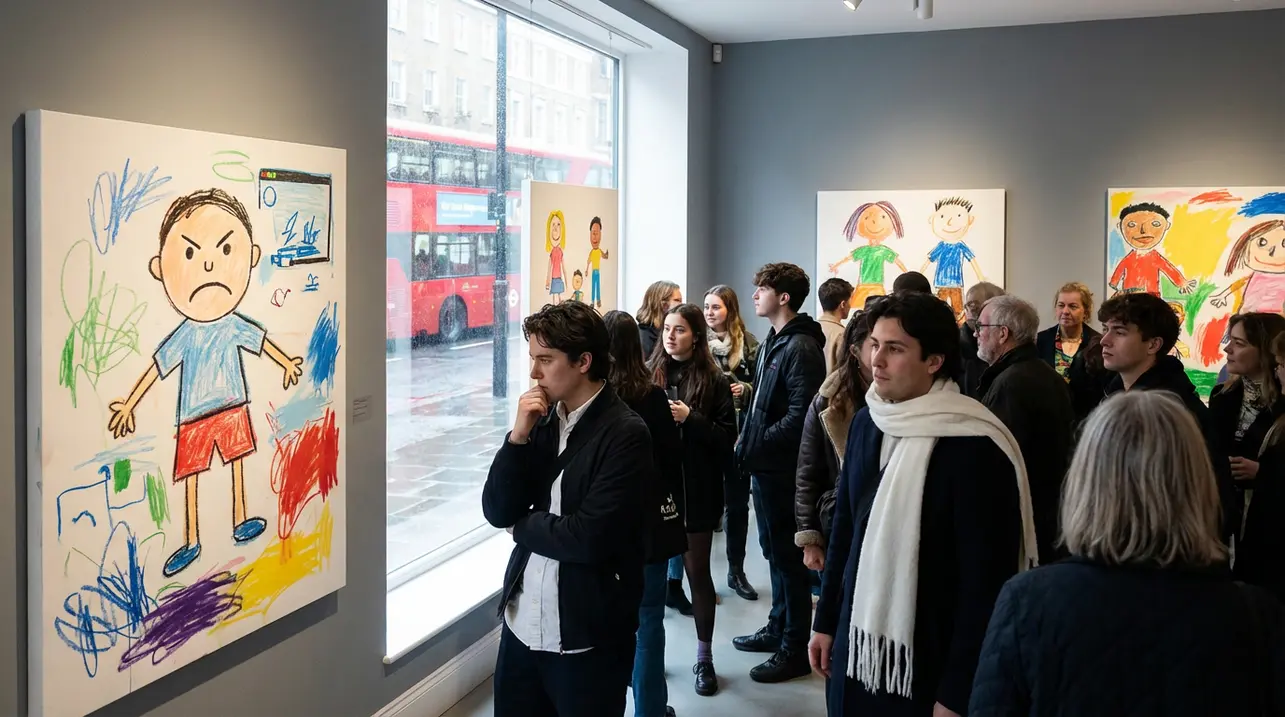
A revealing internal test at software giant SAP has highlighted a critical human hurdle in the adoption of artificial intelligence: deep-seated bias against non-human intelligence. The company tasked five teams of experienced consultants to validate over a thousand business requirements processed by its AI assistant, Joule for Consultants.In a telling twist, four teams were told the analysis was done by sharp junior interns; they praised the work, rating its accuracy at 95%. The fifth team, informed the answers came from an AI, rejected nearly all of it outright.Only after a forced, line-by-line review did this group concede the AI's work was also 95% accurate. This stark contrast underscores a profound cognitive bias where the source of information drastically alters its perceived validity, posing a significant challenge for AI integration into professional life.Guillermo B. Vazquez Mendez, a chief architect at SAP America Inc., emphasized the need for careful communication, particularly with veteran consultants whose expertise feels threatened. He argues that AI co-pilots like Joule are not replacements but amplifiers, designed to handle the technical groundwork—the 80% of time spent deciphering systems—to free consultants for higher-value strategy and insight.This aligns with SAP's vision of the 'consultant of 2030,' augmented by AI. Looking forward, Vazquez notes we are in the 'toddler' stages of this technology, with current effectiveness relying on skilled prompting.The future, however, lies in agentic AI capable of autonomously interpreting complex business processes. With SAP's repository of over 3,500 processes refined over 50 years, the foundation for such advanced reasoning is uniquely strong.The experiment serves as a microcosm of society's broader negotiation with intelligent machines, indicating that the greatest barrier to AI's potential may not be technical capability but human psychology—the fear of obsolescence and ingrained skepticism. The path forward requires not just more accurate algorithms, but better narratives that frame AI as a collaborator that elevates human expertise, ensuring strategic direction and oversight remain irreplaceably human.
#AI skepticism
#human-AI collaboration
#SAP Joule
#consultant productivity
#prompt engineering
#enterprise adoption
#featured
Stay Informed. Act Smarter.
Get weekly highlights, major headlines, and expert insights — then put your knowledge to work in our live prediction markets.