In Defense of the Human Touch: Why Film Criticism Matters in the Age of AI
AM2 hours ago7 min read2 comments
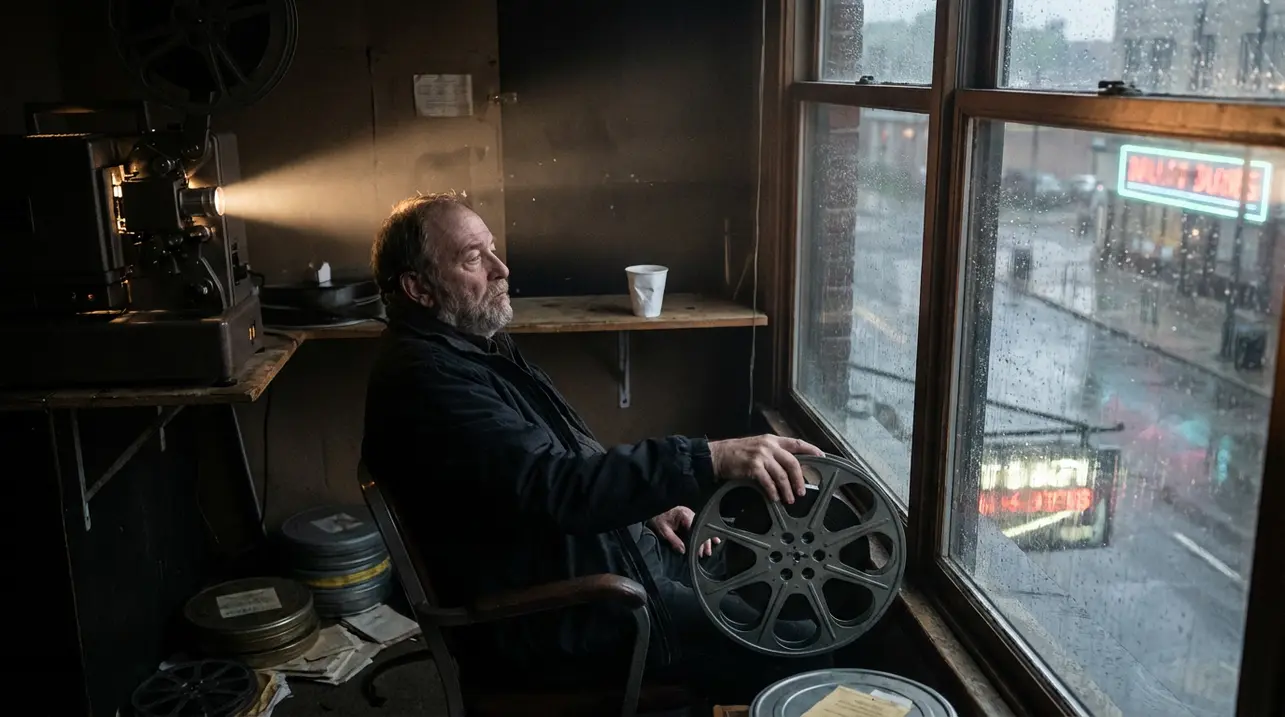
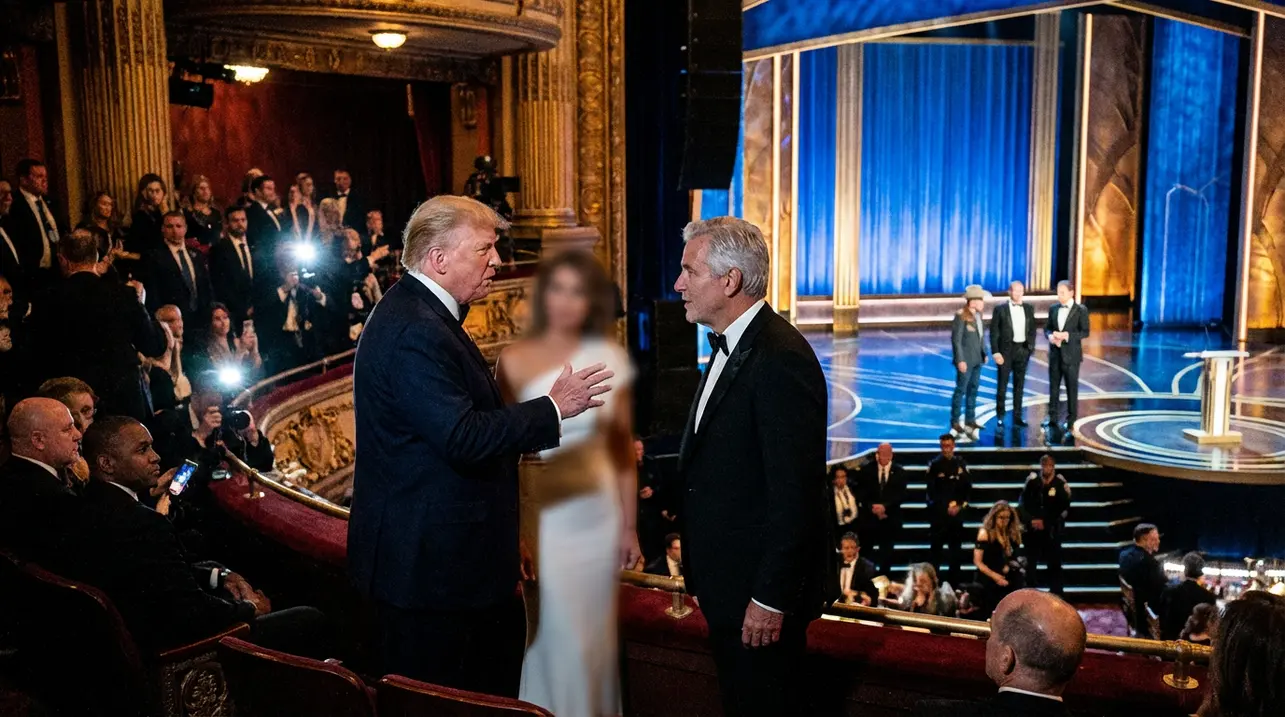
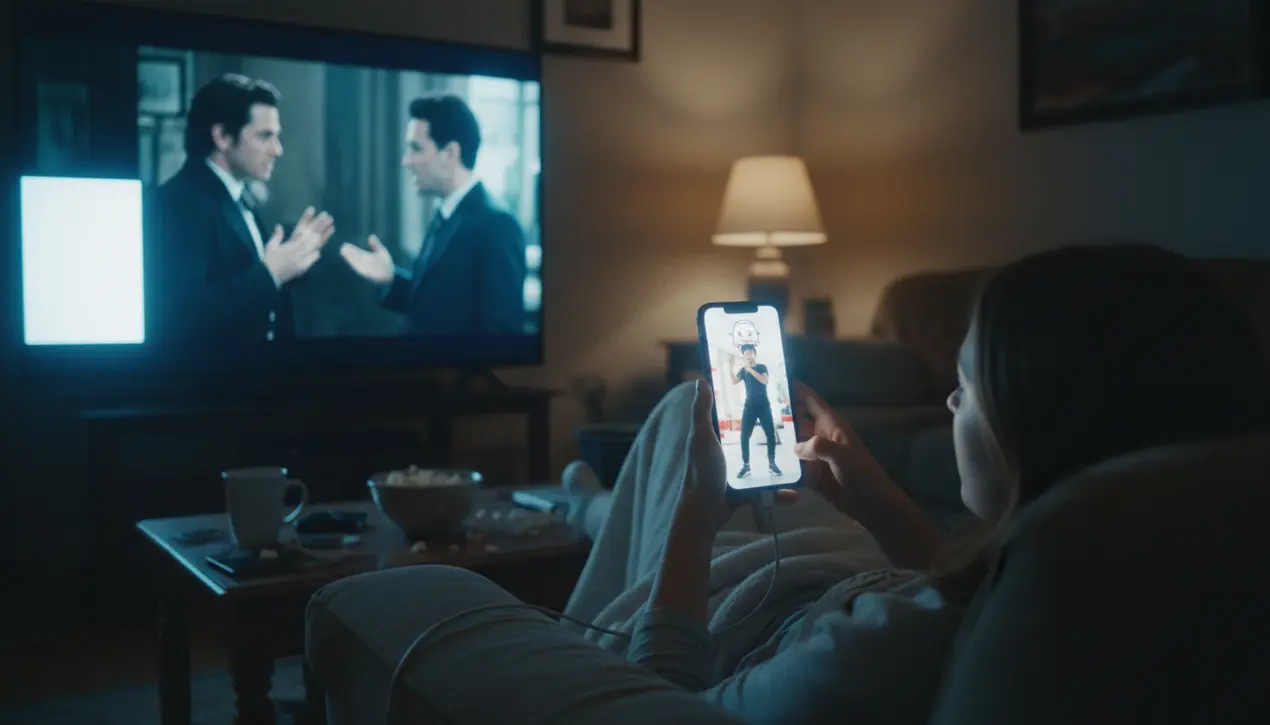
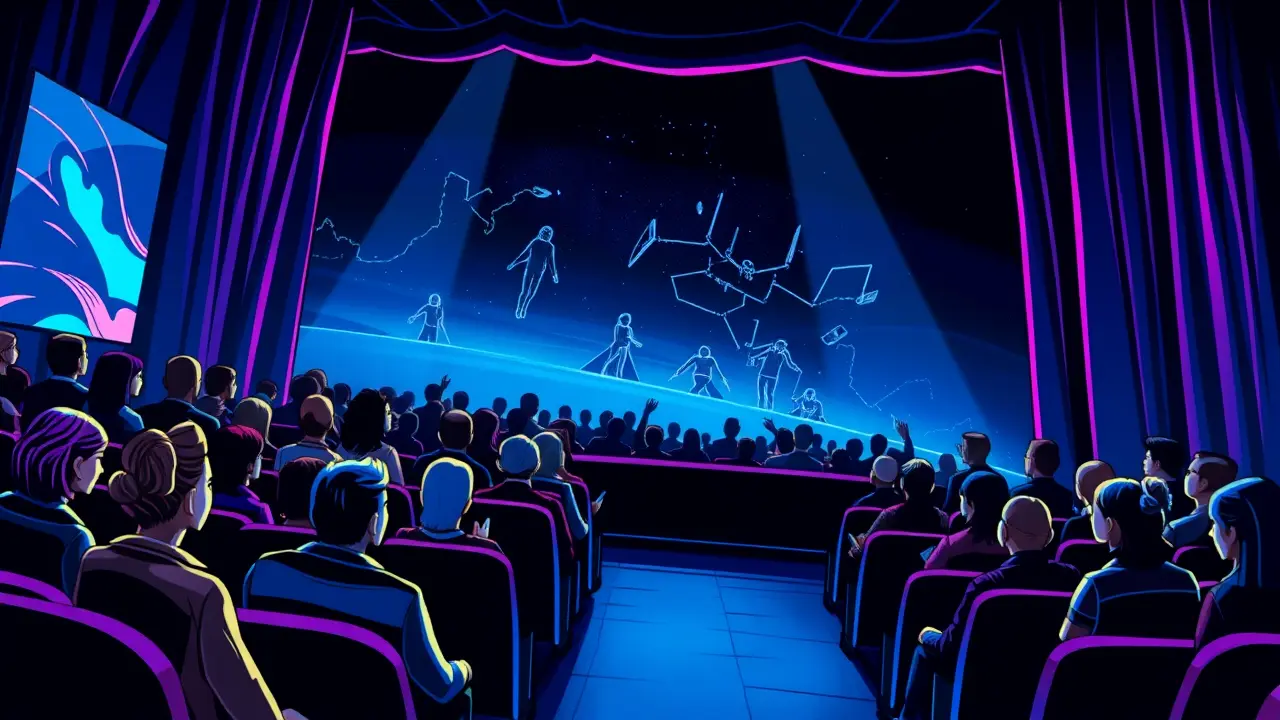
A profound anxiety grips cinephiles today. The film industry is undergoing a seismic shift, driven by a corporate embrace of generative AI for tasks from scriptwriting to creating digital actors, fundamentally challenging the role of human artistry.This technological revolution coincides with the decline of the traditional theatrical experience and a critical environment often reduced to hot takes on social media. Together, these forces—the commodification of creation, the fragmentation of viewing, and critical incoherence—threaten the soul of cinema itself.Yet, this moment demands not surrender, but a renewed commitment to passionate, discerning criticism. We write to remember what is at stake.Consider the precise, intentional craft in a single shot by a master like Kubrick, the visceral emotional authenticity in a film by Lynne Ramsay, or the shared, breathless silence of an audience witnessing a masterpiece like ‘Parasite. ’ These are human experiences, conceived and felt in ways no algorithm can replicate.Our writing must therefore be an act of preservation and resistance. This means advocating for auteurs who fight for creative control, supporting independent cinemas that foster community, and practicing criticism that boldly distinguishes between disposable content and enduring art.We must analyze the current AI push not as a neutral tool like sound or CGI, but as a potential substitute for the artist, contextualizing it within film history while highlighting its unique ethical quandaries: the copyright violations of training data, the threat to guilds and entry-level jobs, and the erosion of artistic consent. This is a defense of a cultural language.The narrative of inevitable decline is convenient for studios; a passive audience is easier to monetize. Our counter-narrative must be more compelling.We write to analyze, to contextualize, and to connect—to affirm that cinema, at its core, is about conveying an irreducibly human perspective. Against synthetic performances and algorithmic plots, we must champion the messy, profound, and personal act of human storytelling.Every piece of thoughtful criticism, every celebration of directorial vision, is a bulwark against homogenization. We write not to naively halt progress, but to steer the conversation, to elevate essential work, and to ensure the historical record shows not only what was lost, but what was fiercely and eloquently defended.
#editorial picks news
#film criticism
#moviegoing
#AI in film
#media industry
#cultural commentary