AIroboticsHumanoid Robots
Major Chinese tech firms expand into AI-powered toy market.
SO2 weeks ago7 min read1 comments
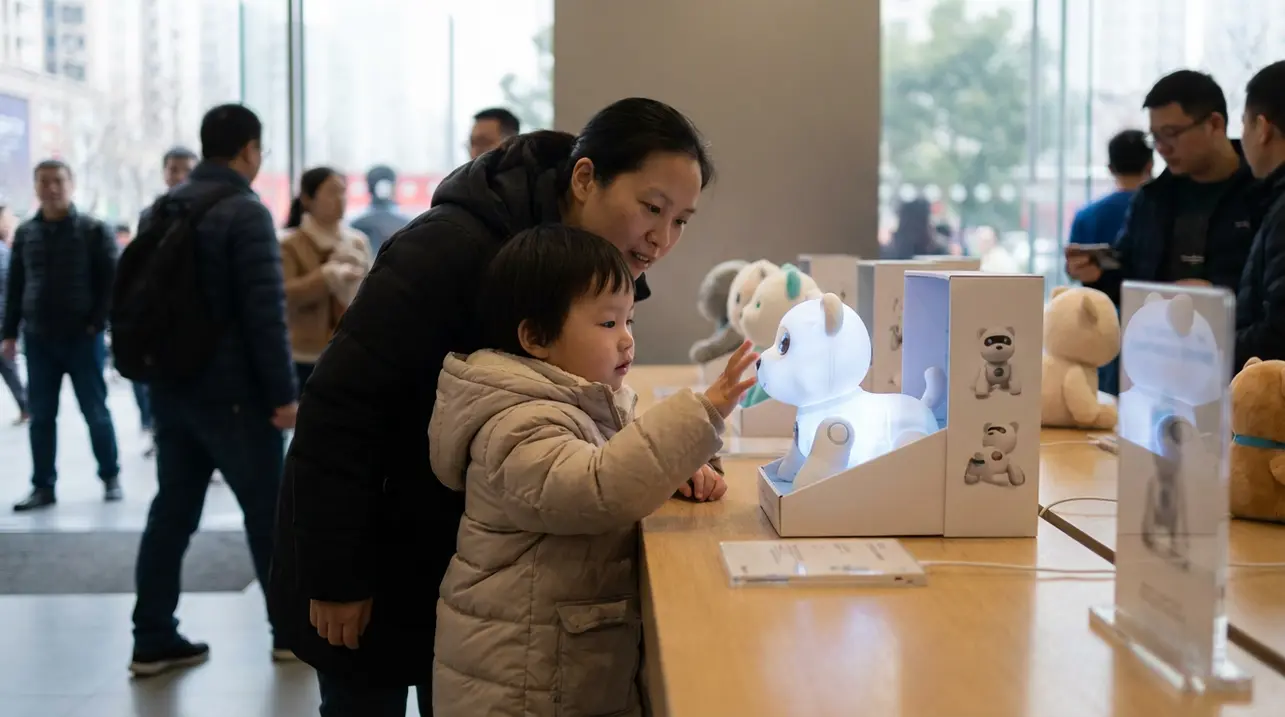
The plush toy aisle is getting a serious tech upgrade, and it’s not just about adding a simple voice box anymore. Huawei’s recent splash with its AI-powered emotional support toy, Smart Hanhan, is a vivid brushstroke in a much larger, rapidly evolving canvas.Selling over 10,000 units in its first week at a price point of 399 yuan (about $57), this isn't a niche gadget for early adopters; it's a mainstream signal flare. Think of it less as a stuffed animal and more as an interactive art piece for daily life—a blend of soft sculpture and responsive algorithm that recognizes movement, voice, and touch.When a child asks it to count sheep, and it cheekily adds a playful twist, that’s not just programming; it’s character design, a tiny narrative engine woven into fabric and code. This move by the Shenzhen-based tech titan is part of a global creative surge where major Chinese firms like Alibaba, Tencent, and Baidu are pivoting their formidable AI research and hardware prowess toward the intimate, emotional space of play.They’re not just building toys; they’re crafting companions, using large language models and sensor fusion to create entities that can hold a conversation, respond to a hug, or adapt their behavior over time. The context here is a fascinating collision of markets: on one side, a domestic Chinese consumer base increasingly prioritizing educational and emotionally enriching products for smaller families, and on the other, a worldwide trend where spending on 'smart' playthings is carving out a billion-dollar niche.For a UX designer like myself, this is where the rubber meets the road—or rather, where the silicon meets the stuffing. The design challenge is profound: how do you make an AI feel warm? How do you translate cold data points from a touch sensor into a gesture that feels like empathy? Companies are experimenting with biomimetic movement, using subtle servo motors to simulate breathing, or employing voice synthesis that avoids the uncanny valley to sound genuinely soothing.The stakes are high because this isn't just about market share; it's about shaping childhood development and redefining companionship for an AI-native generation. Experts in child psychology are already debating the long-term effects, wondering if these always-available, perfectly patient digital friends will hinder social skill development or provide crucial support for lonely or neurodivergent kids.Meanwhile, ethicists raise flags about data privacy—these cuddly data sponges are listening, learning, and storing immense amounts of personal information about our most vulnerable users. The business strategy is equally layered.For Huawei, diversifying into consumer lifestyle products like Smart Hanhan offers a hedge against geopolitical pressures in its core telecom and smartphone sectors. It’s a savvy play into the 'emotional economy,' where value is derived from connection rather than pure computation.
#Huawei
#JD.com
#UBTech
#AI toys
#Smart Hanhan
#consumer electronics
#lead focus news
#emotional support robot
#interactive companionship