
Interloom raises $16.5M for enterprise AI decision mapping.
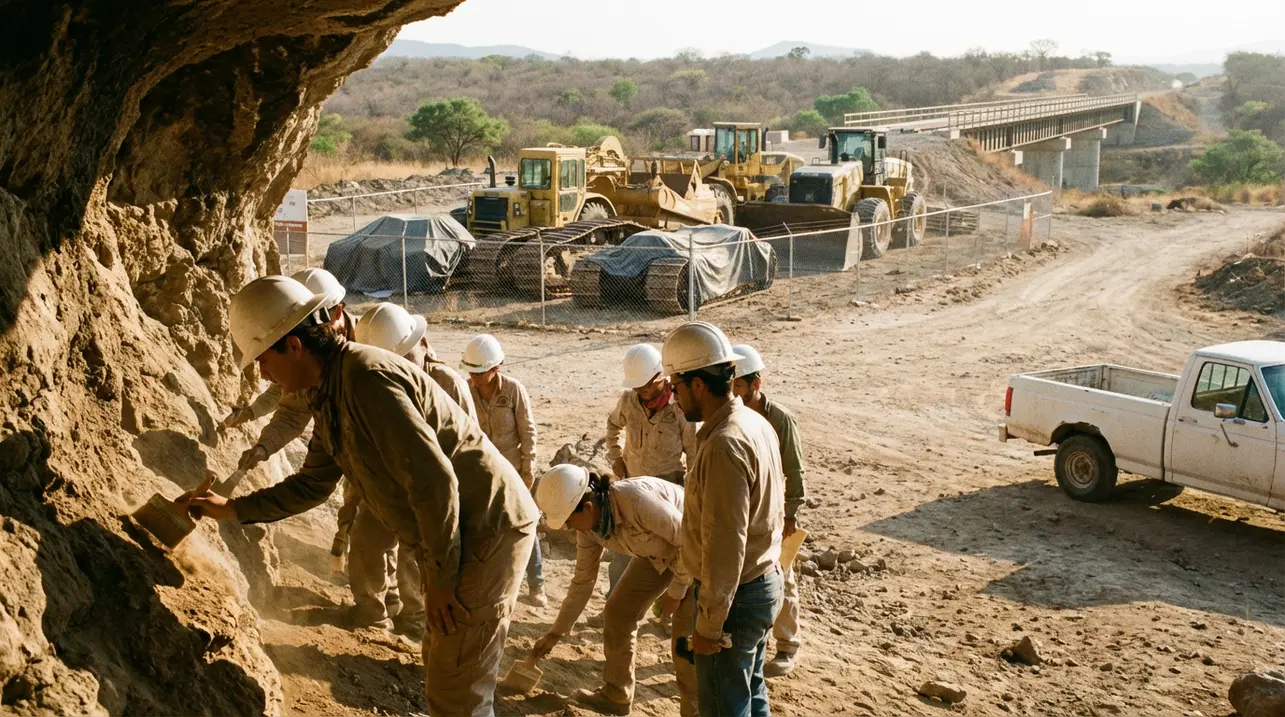
Mexico to Divert Train Route After Cave Art Discovery

How Elizabeta Gjorgievska Joshevski built a global tech career and is now shaping AI strategy for enterprises

Mosaic gradients and pasta motifs animate restaurant interiors in Vietnam.

Luxury watchmakers face uncertainty due to Iran war and inflation.

EU tells Google to share search data with rivals including AI chatbots

Outpoll Weekly Recap: Entertainment (April 13 – 19, 2026)

Outpoll Weekly Recap: AI (April 13 – 19, 2026)

Long fingernails vs. touchscreens: This nail polish could help

Air New Zealand launches economy bunk beds for long flights

USDA to adopt Grok AI despite safety concerns

Is the Strait of Hormuz Really Open?

Anthropic launches Claude Design AI tool for prototypes, challenging Figma

Oil prices drop, stocks rise after Iran reopens Strait of Hormuz
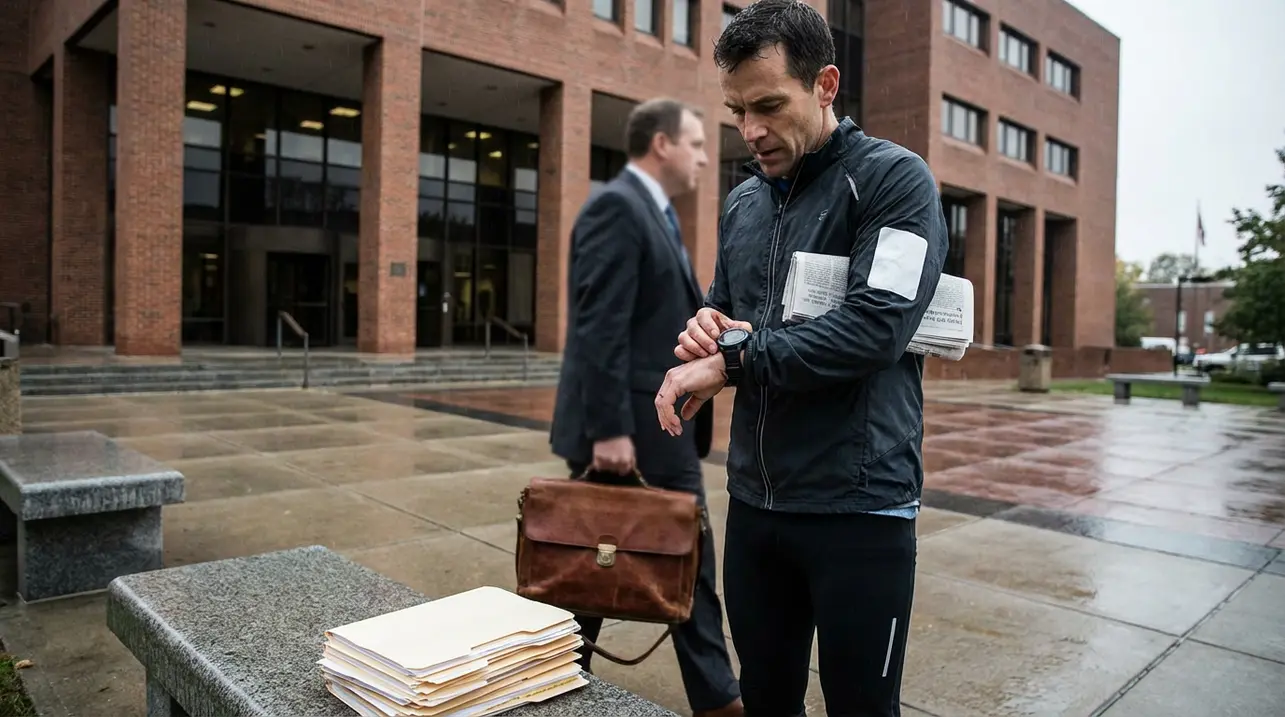
Garmin Files 218-Page Countersuit Against Suunto in Sports Watch Dispute

Spektr raises $20M for AI compliance agents in finance
