AIai safety & ethicsMisinformation and Deepfakes
DoorDash Bans Driver for Alleged AI-Generated Delivery Photo
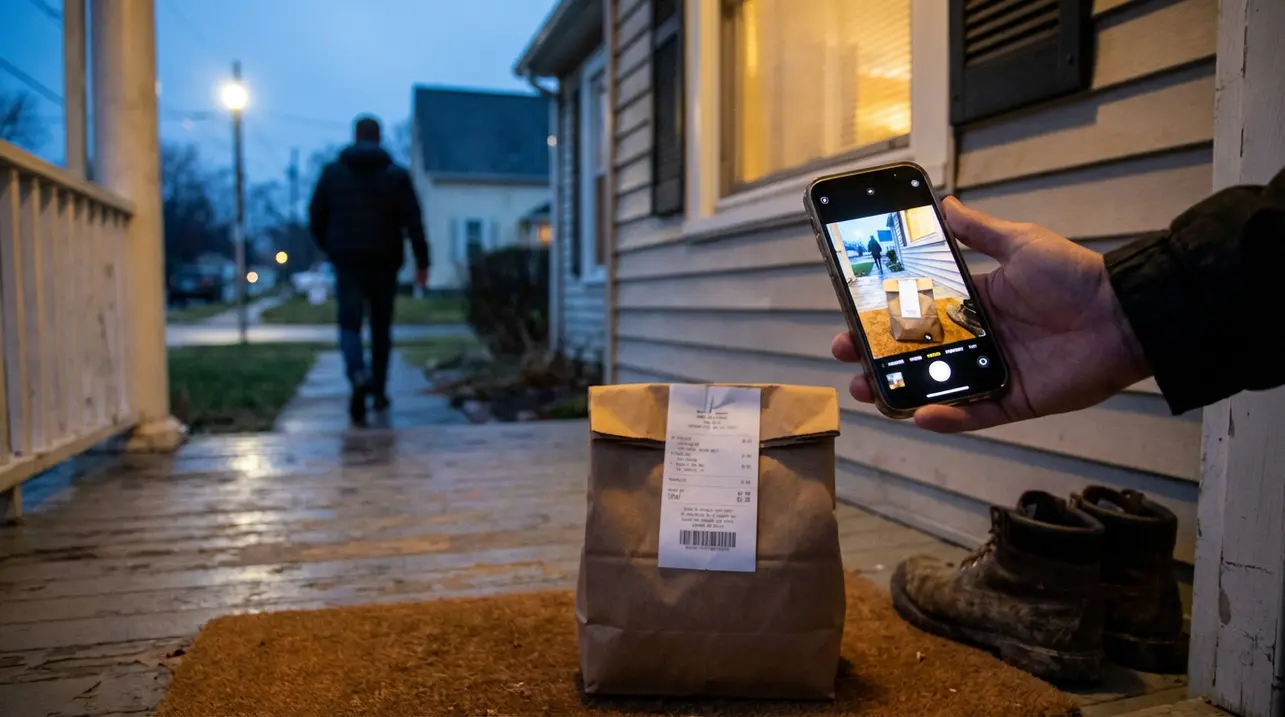
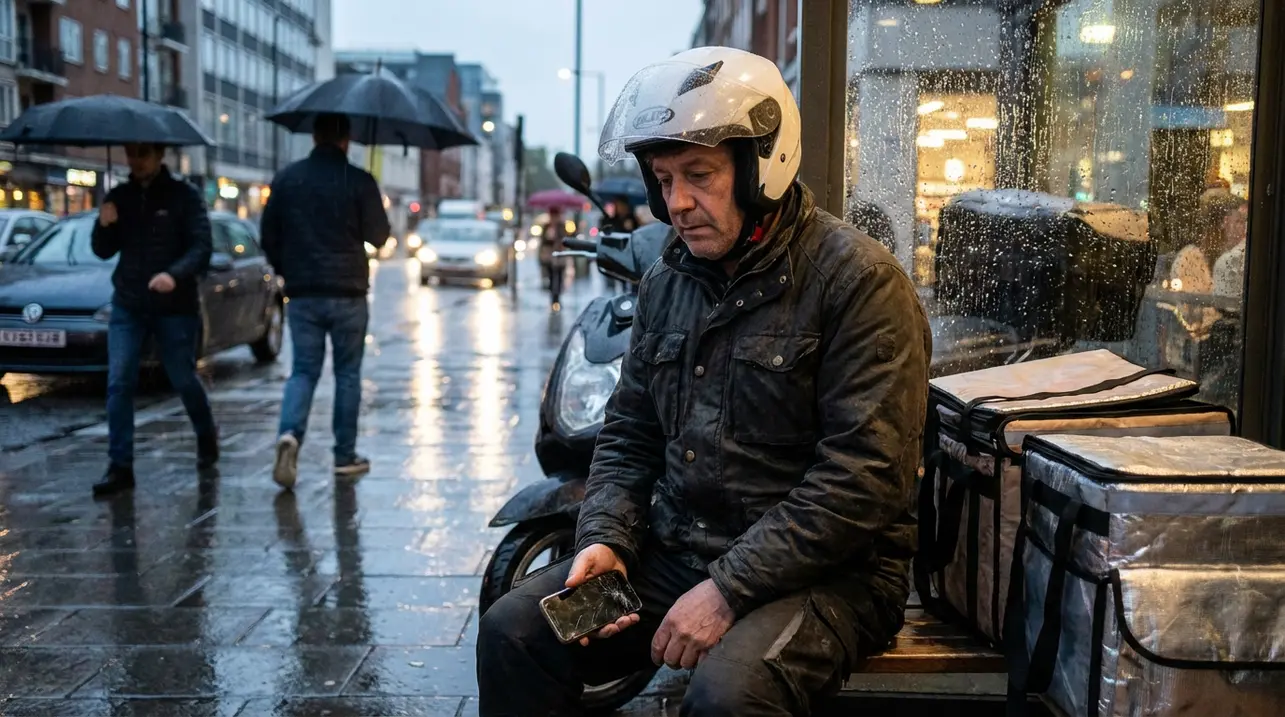
In a move that underscores the increasingly fraught intersection of artificial intelligence and the gig economy, DoorDash has reportedly deactivated a driver for allegedly submitting an AI-generated photograph to falsely confirm a food delivery. This incident, which first gained traction as a viral social media anecdote, appears to have been substantiated by the platform's subsequent enforcement action, serving as a stark case study in how generative AI tools are being weaponized for low-stakes fraud, challenging the integrity of automated trust and safety systems.The core mechanic here is disarmingly simple: a delivery driver, presumably failing to complete a drop-off, could use a readily available image-generation model to create a plausible photo of a meal bag on a doorstep, bypassing the app's primary verification protocol. This isn't merely a quirky anecdote; it represents a direct assault on the foundational contract of platform-mediated services, where a digital artifact—a geotagged photo—substitutes for physical oversight and becomes the sole proof of performance.For companies like DoorDash, Uber Eats, and Instacart, which operate on razor-thin logistical margins and face intense scrutiny over worker and customer relations, such vulnerabilities are existential. Their entire operational model relies on a fragile ecosystem of trust, algorithmically managed, where both contractors and customers are incentivized (or disincentivized) through ratings, reviews, and automated flags.The insertion of generative AI into this loop doesn't just create a new vector for cheating; it fundamentally destabilizes the reliability of the data these platforms use to train their own AI systems for fraud detection, creating a paradoxical arms race where AI is used to both attack and defend the same digital infrastructure. Historically, gig economy fraud involved more analog methods—collusion between drivers and customers, or simple false reports.The AI-generated photo escalates this into a new domain, one where the evidence itself can be synthetically manufactured with minimal technical skill, raising profound questions about authenticity in an increasingly mediated world. Experts in AI ethics and platform governance note that this incident is likely just the tip of the iceberg.As diffusion models become more accessible and capable of producing contextually specific images (a specific brand of food bag on a specific style of porch), the detection burden shifts entirely to the platforms. They must now develop or acquire multimodal AI capable of forensic image analysis—detecting artifacts, inconsistencies in lighting or perspective, or statistical fingerprints left by generative models—a costly and technically demanding endeavor.The consequences ripple outward. For consumers, it erodes confidence in a service they already view as somewhat ephemeral.
#DoorDash
#gig economy
#AI-generated image
#delivery fraud
#platform policy
#trust and safety
#featured