AIgenerative aiMusic and Audio AI
Counterparts Frontman Exposes Suspected AI-Generated Metalcore Band
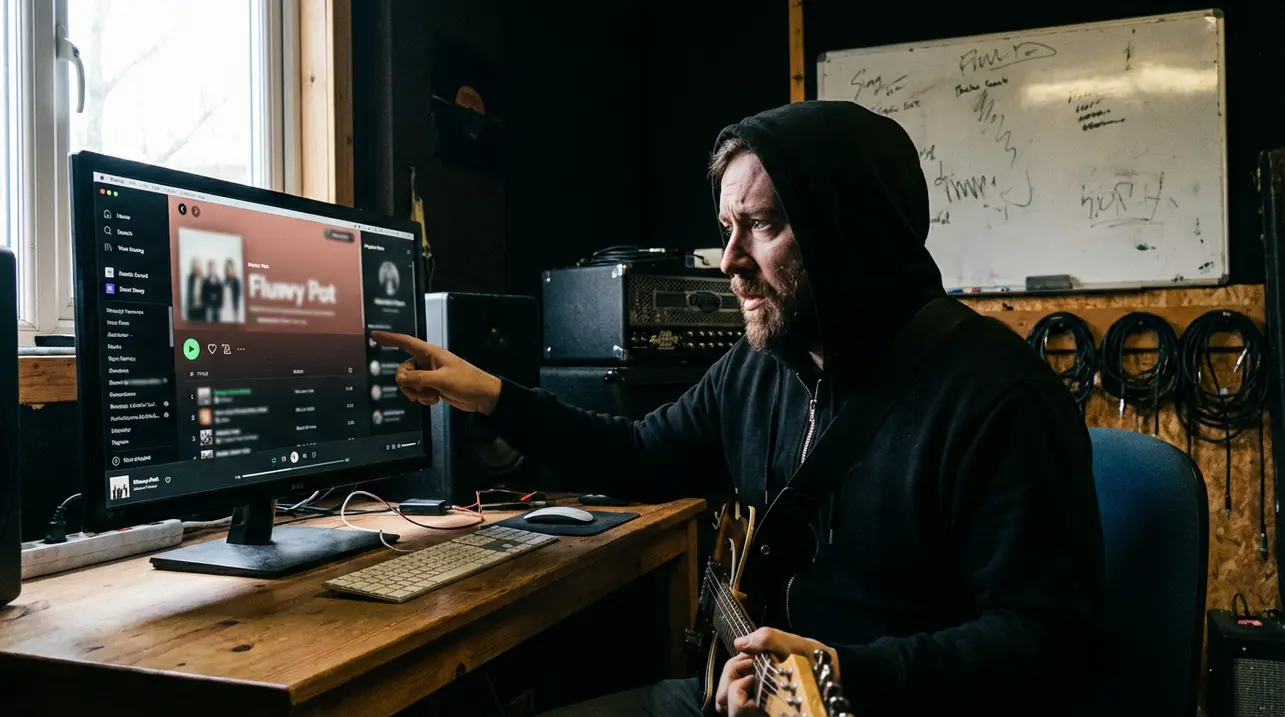
The digital music landscape, once a bastion for undiscovered talent grinding it out in vans and dive bars, has a new and deeply uncanny valley resident: a suspected AI-generated metalcore project called Broken Avenue. With nearly 130,000 monthly listeners on Spotify, a coveted ‘verified artist’ badge, and even one of the platform’s algorithmically generated ‘This Is’ playlists—typically reserved for acts that have organically crossed a popularity threshold—Broken Avenue represents a chilling new frontier in musical catfishing.The alarm was sounded not by a tech blogger, but from within the scene itself: Brendan Murphy, the fiercely outspoken frontman of the beloved melodic hardcore band Counterparts, took to social media to expose what he perceives as a fraud, pulling back the curtain on a operation that feels less like a band and more like a sophisticated sonic deepfake. This isn’t just about a weird, anonymous SoundCloud page; this is a project with the full veneer of Spotify legitimacy, complete with artist imagery and a discography, allegedly built not on human passion but on lines of code.For anyone who’s spent years following the authentic, sweat-and-blood trajectory of bands in the hardcore and metalcore world—from their first demos recorded in basements to the grueling tours that build a real, screaming fanbase—the emergence of Broken Avenue feels like a profound violation. It commodifies the very essence of a genre built on catharsis and community.The implications are vast and troubling. If an AI can be trained on the tropes of djent riffs, guttural screams, and melodic clean choruses to generate a passable facsimile that garners hundreds of thousands of streams, what does that mean for the countless real human artists struggling to be heard on the same platform? The economics are sinister: a potentially anonymous operator could use AI to produce an endless stream of ‘music,’ game the playlist algorithms with fake engagement, and siphon off royalty micro-payments at an industrial scale, all while diluting the cultural value of the genre.Historically, scenes like metalcore have been self-policing, built on a foundation of authenticity where credibility is earned. This incident, highlighted by a respected figure like Murphy, forces a confrontation with a future where that authenticity can be algorithmically manufactured.We’ve seen AI-generated tracks go viral as novelties, but Broken Avenue represents something more insidious: a long-term, sustained project masquerading as a legitimate band. It raises urgent questions for streaming platforms about their verification processes and the ease with which their systems can be gamed. Beyond the ethics, there’s a poignant artistic question: can code ever replicate the raw, imperfect humanity that makes a Counterparts song resonate so deeply with fans? The answer, for now, seems to be a resounding no from the very community this AI seeks to impersonate, but the fact that we even have to ask is a disquieting sign of the times in the streaming era.
#AI-generated music
#metalcore
#Broken Avenue
#Spotify
#Counterparts
#music industry
#ethics
#editorial picks news