AIchips & hardwareAI Data Centers
China's Top Chipmakers Consolidate in Self-Sufficiency Drive
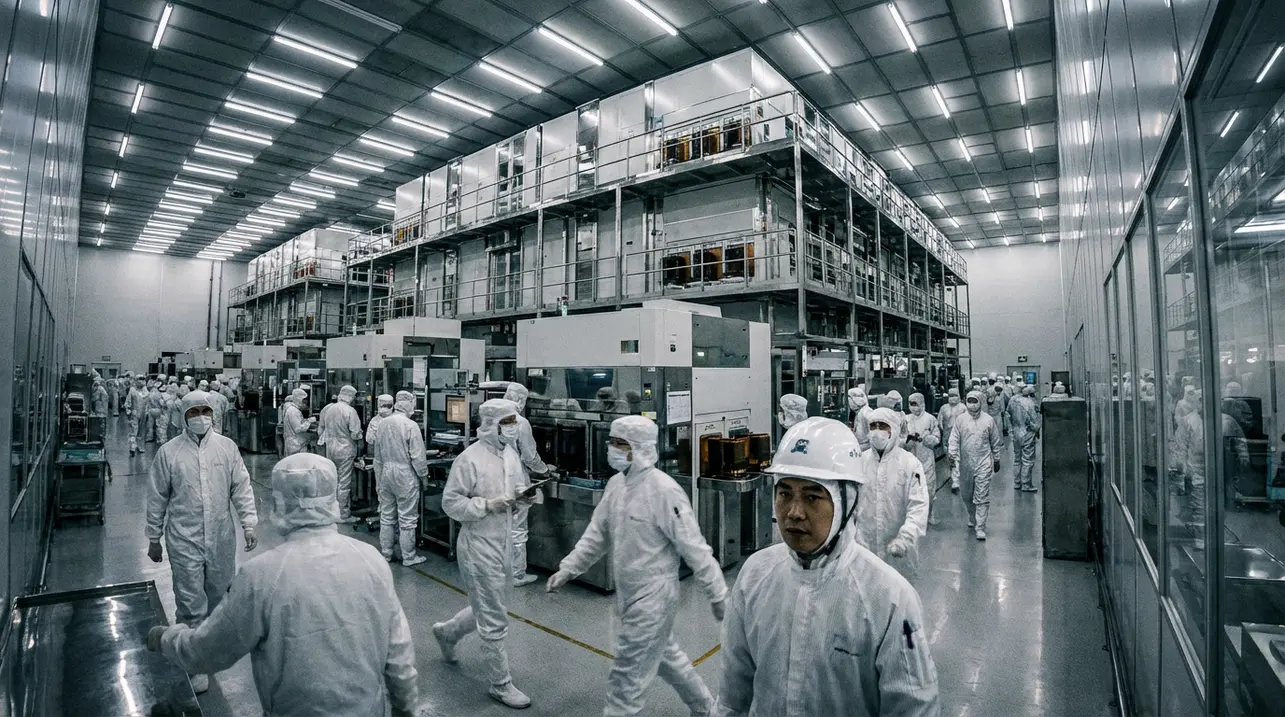
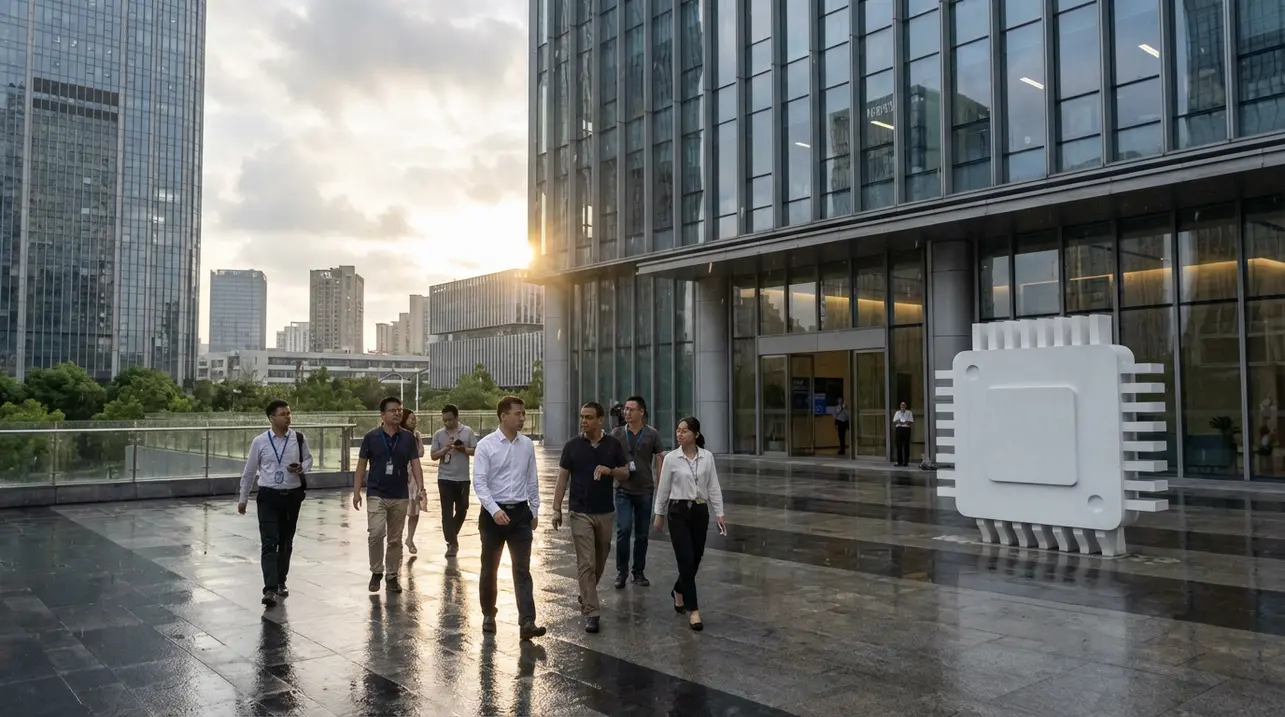
The tectonic plates of China's semiconductor industry are shifting with a decisive, state-directed clunk, as two colossal deals in a single week signal a new, aggressive phase in Beijing's long war for technological self-sufficiency. First, the national champion SMIC moved to fully consolidate control over a key subsidiary in a staggering 40.6 billion yuan transaction. Mere days later, its closest domestic rival, Hua Hong Semiconductor, followed suit with an 8.27 billion yuan acquisition of its sister foundry in Shanghai. On the surface, these are corporate maneuvers; in the high-stakes arena of global tech supremacy, they are calibrated strategic strikes.This consolidation wave isn't about mere economies of scale for shareholder value—it's about forging a unified, defensible front in a sector where China faces what it perceives as an existential threat from U. S.-led export controls and technological containment. The Biden administration's sweeping October 2022 restrictions, which crippled China's access to advanced EUV lithography tools and starved its champions of cutting-edge American chip design software, didn't just slow progress; they fundamentally altered Beijing's calculus.The response is now crystallizing: if you cannot easily buy or build the most advanced nodes, you must ruthlessly optimize and fortify what you have. This means eliminating internal competition and redundancy, pooling R&D resources, and creating monolithic national champions that can be more efficiently steered by state capital and industrial policy.The risks here are multifaceted. For global supply chains, a more insular and self-focused Chinese chip sector could further bifurcate the world into competing technological spheres, raising costs and complexity for multinationals.For China itself, the gamble is that consolidation and state direction can overcome the innovative dynamism traditionally fueled by market competition. History, from Japan's MITI-led efforts to Europe's various champion-building projects, offers mixed lessons on this front.Furthermore, this consolidation likely preludes even heavier state investment into lagging areas like semiconductor manufacturing equipment and advanced materials, areas where China's dependencies are most acute. Analysts watching capital expenditure patterns and talent flows within the Yangtze River Delta tech corridor will now be scrutinizing whether this newly streamlined apparatus can achieve meaningful breakthroughs in mature nodes—where China still has leverage—while laying the groundwork for future leaps.The immediate consequence is a clearer, more formidable landscape: SMIC and Hua Hong, now bulked up and with less internal overlap, become the twin pillars of a national foundry strategy designed for resilience over pure frontier advancement. In the grand scenario planning of geopolitical risk, this week's deals are a definitive move on the board, signaling that China is digging in for a protracted, costly, and determined siege in the silicon war, betting that consolidation and concentration of force can turn a position of vulnerability into one of unassailable, if not leading, strength.
#China
#semiconductor
#SMIC
#Hua Hong
#acquisition
#consolidation
#self-sufficiency
#lead focus news