

AIai regulationChina AI Regulation
China's AI Regulation and Sustainable Industrial Future
MI
Michael Ross
6 months ago7 min read
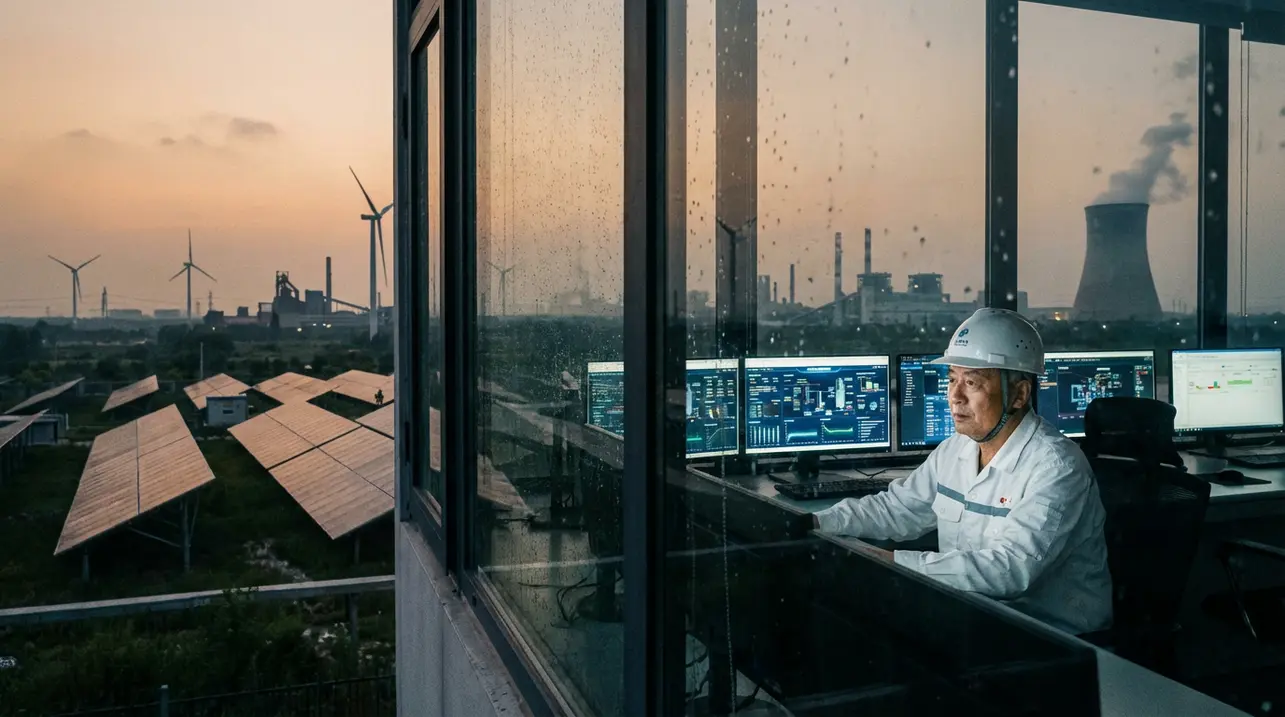
China has meticulously constructed the machinery of an innovative, low-carbon industrial economy, positioning itself as a potential leader in both the global net-zero transition and the unfolding AI revolution. This isn't just about manufacturing prowess; it's a deliberate, state-orchestrated fusion of industrial policy and technological ambition, reminiscent of the grand five-year plans of old but turbocharged for the digital age.The vision is clear: to dominate the industries of the future—from electric vehicles and advanced batteries to next-generation semiconductors and large language models—while simultaneously decoupling economic growth from carbon emissions. It’s a gambit of historic proportions, aiming to prove that a nation can be both the world’s factory and its clean-tech laboratory.Yet, the sustainability of this model hinges on China's ability to navigate a gauntlet of profound challenges that could derail its dual ambitions. First, there's the immense internal tension between relentless AI development and the world's most comprehensive and proactive regulatory framework.Beijing’s AI governance rules, which emphasize algorithmic transparency, data security, and socialist core values, are a bold experiment in state-led ethical oversight. While designed to mitigate the societal risks famously outlined in Asimov's narratives—like bias, misinformation, and loss of control—this regulatory wall also risks stifling the very iterative, open-ended experimentation that drives breakthroughs.Can Chinese tech giants innovate at the cutting edge while operating within a meticulously defined sandbox? The answer will define whether China’s AI revolution is one of incremental improvement or paradigm-shifting discovery. Second, the energy paradox looms large.Training advanced AI models and powering vast data centers is incredibly energy-intensive, creating a direct conflict with decarbonization goals. While China leads in renewable energy installation, its grid remains heavily reliant on coal, especially for the stable baseload power tech campuses demand.The path to a truly sustainable industrial-AI complex requires a quantum leap in grid modernization, energy storage, and perhaps even next-gen nuclear, presenting an engineering and logistical challenge as daunting as the technological ones. Furthermore, the geopolitical landscape presents a third major hurdle.Export controls on advanced semiconductors from the United States and its allies aim to throttle China’s high-end computing capabilities, directly targeting the engine of AI progress. This has sparked a national crusade for self-sufficiency, but building a wholly independent, world-class semiconductor ecosystem from design to fabrication is a multi-decade, trillion-yuan endeavor with no guarantee of success.The sustainability of China’s model, therefore, is not merely an economic question but a geopolitical endurance test. Finally, there is the human and societal dimension.The drive for efficiency and control, enabled by AI-powered surveillance and automation, could exacerbate social inequalities and suppress the creative dissent that often fuels long-term innovation. A system optimized for stability and directed progress may lack the chaotic, bottom-up dynamism that has characterized other tech revolutions.In essence, China is attempting to script a controlled, harmonious future—a stark contrast to the messy, disruptive path of technological change elsewhere. Whether this intricate machinery, for all its impressive scale and coordination, can adapt to the unpredictable, emergent properties of both AI and global markets will determine if it becomes a durable blueprint for the 21st century or a fascinating, high-stakes experiment that ultimately reveals the inherent tensions between control, innovation, and sustainability.
#China
#AI regulation
#industrial economy
#net-zero transition
#AI revolution
#sustainability
#challenges
#editorial picks news
Stay Informed. Act Smarter.
Get weekly highlights, major headlines, and expert insights — then put your knowledge to work in our live prediction markets.
Related News









1 month ago
Billy Corgan and Diplo debate AI use in music industry.

1 month ago
Black Forest Labs' Self-Flow makes AI training 2.8x more efficient

1 month ago
Meta and Broadcom Extend AI Chip Partnership to 2029

1 month ago
Outpoll Weekly Recap: Entertainment (April 20 – 26, 2026)

1 month ago
Outpoll Weekly Recap: AI (April 20 – 26, 2026)
Comments
BY
ByteWrangler5mo ago
man that's a lot to process in one go lol feels like they're trying to build a sci-fi utopia but with all the red tape
SK
SkepticalSideEye6mo ago
ah yes another grand plan that's definitely gonna work out perfectly this time, no unforeseen issues at all
3A
3amThinker6mo ago
reading this at 3 am and it all feels like a weird metaphor for trying to have a deep thought while also needing to sleep. like yeah china's building the future but can it run on coffee and existential dread