
AI deepfake of Val Kilmer to star in new film with family's blessing
AI deepfake of Val Kilmer to star in new film with family's blessing

Oxford Medical Simulation Secures £5M for US Expansion and AI Development

DoorDash pays gig workers for AI training content creation.

Starling launches AI banking assistant that performs tasks

Eating disorders start on TikTok: Ad campaign targets social media

Publisher pulls horror novel amid AI use allegations

Being gay feels like a liability again for workers
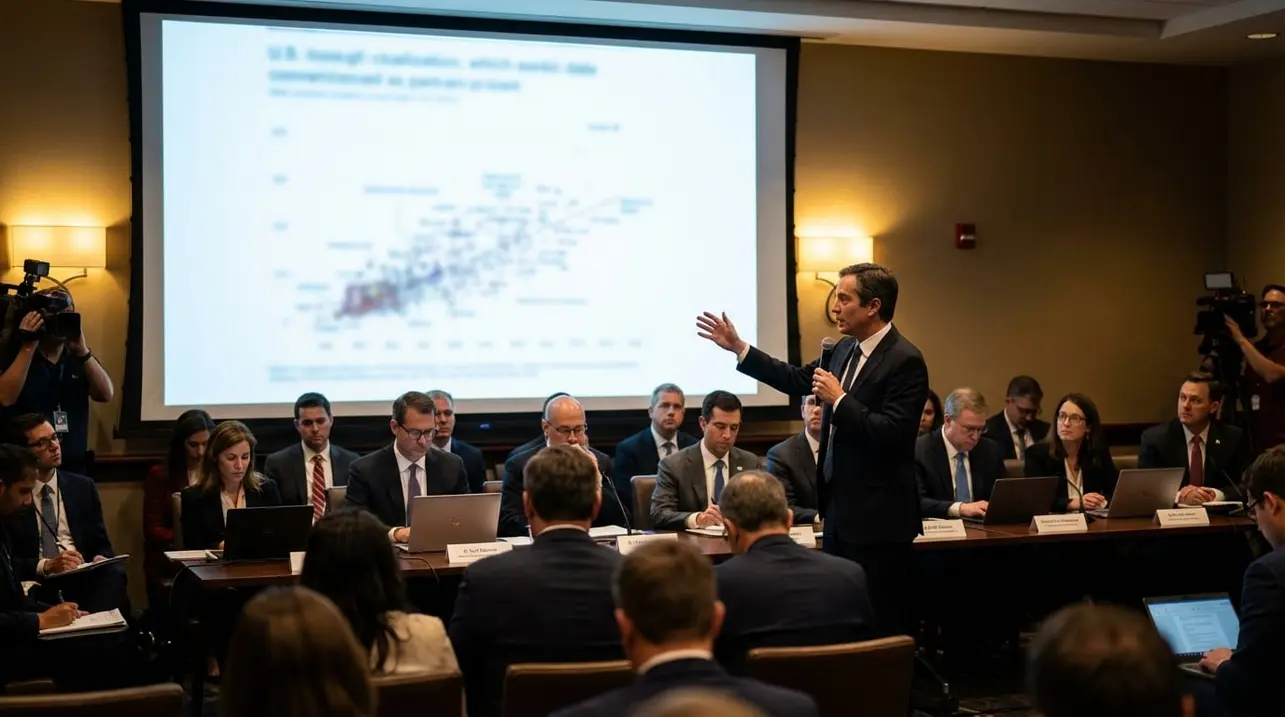
White House Eyes Friday Rollout for AI Framework

Meta AI agent triggers security breach by acting without permission

The M3 iPad Air Is $150 Cheaper After the Launch of the M4

Washington State Passes Millionaires Tax as Model for Others

Six U.S. Allies Back Potential Strait of Hormuz Coalition
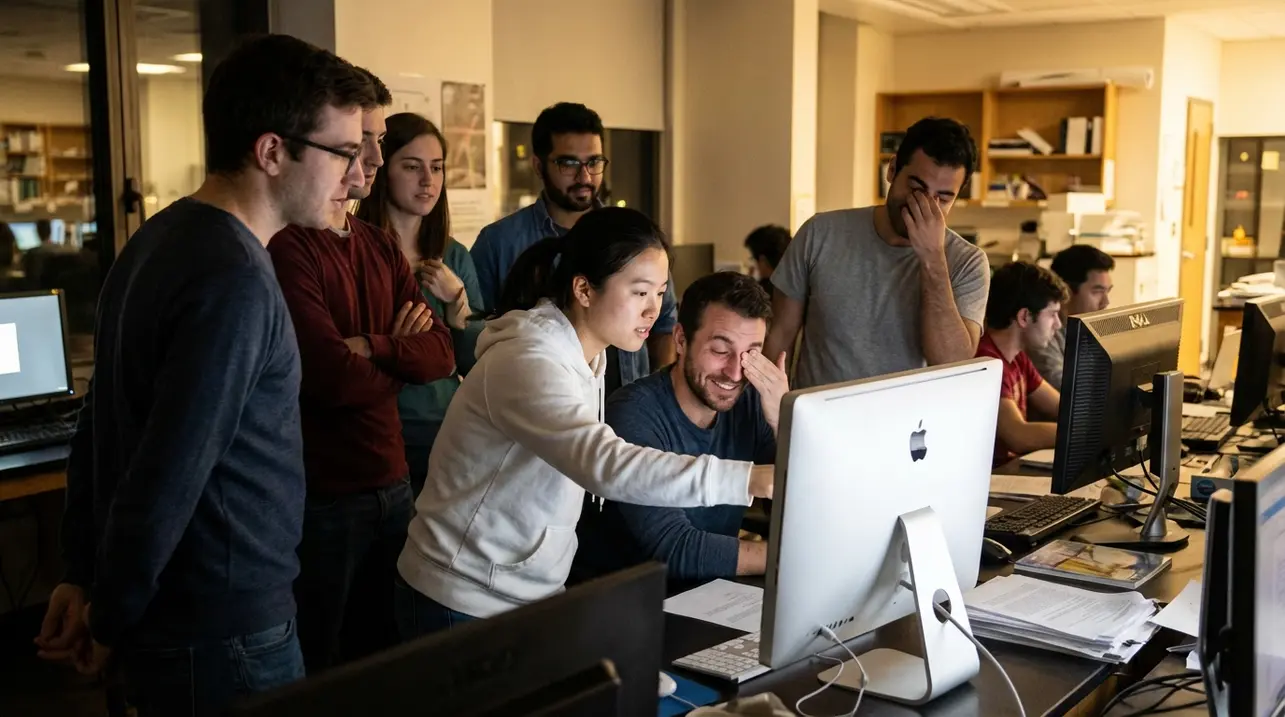
OpenAI's GPT-5.4 Sets New Records on Professional Benchmarks
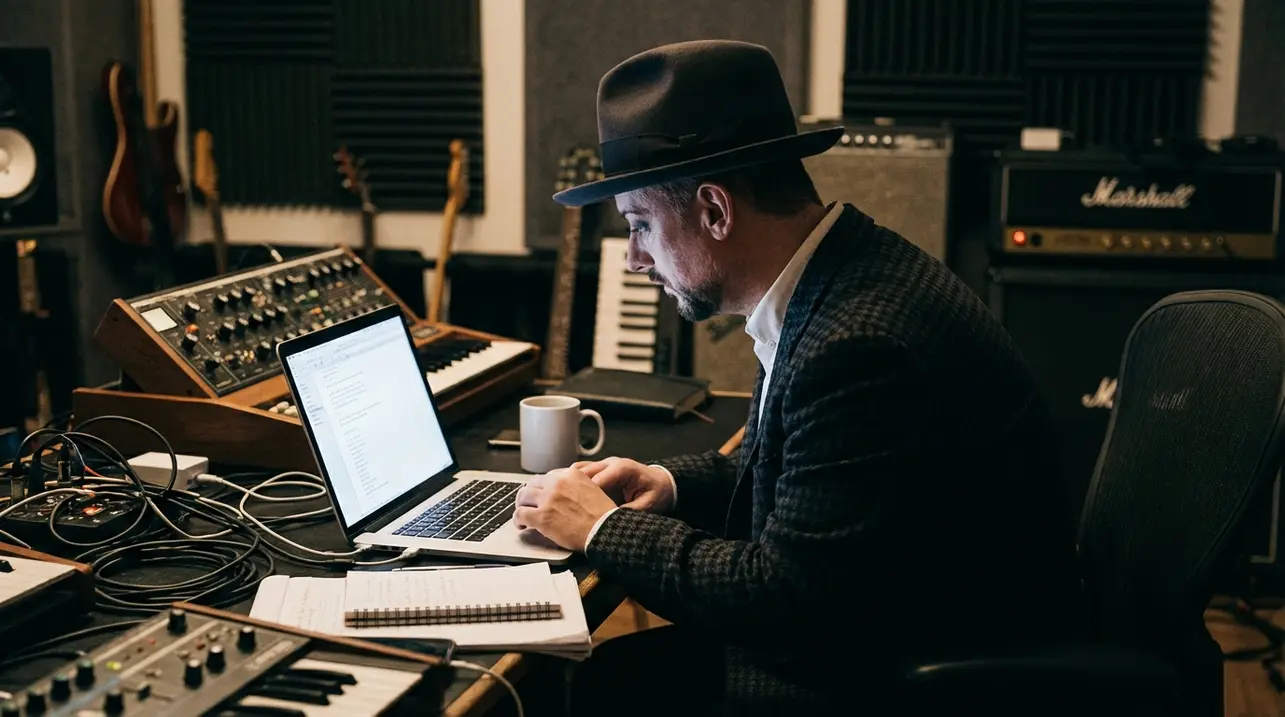
Boy George uses AI to write songs, says it helps his lyrics.

You Could Be Next: Laid-off Professionals Train AI to Replace Them
