
You Could Be Next: Laid-off Professionals Train AI to Replace Them

Meta AI agent triggers security breach by acting without permission

The M3 iPad Air Is $150 Cheaper After the Launch of the M4

Washington State Passes Millionaires Tax as Model for Others

Six U.S. Allies Back Potential Strait of Hormuz Coalition

OpenAI's GPT-5.4 Sets New Records on Professional Benchmarks

Boy George uses AI to write songs, says it helps his lyrics.
You Could Be Next: Laid-off Professionals Train AI to Replace Them

Trump's 'No Deal' Ultimatum to Iran Sparks Market Turmoil, Strains Alliance with Israel

EU Lawmakers Agree to Ban Non-Consensual AI Intimate Deepfakes

What to know about the Strait of Hormuz, a key oil shipping waterway

Apple AirPods Max 2 with H2 chip and better noise canceling
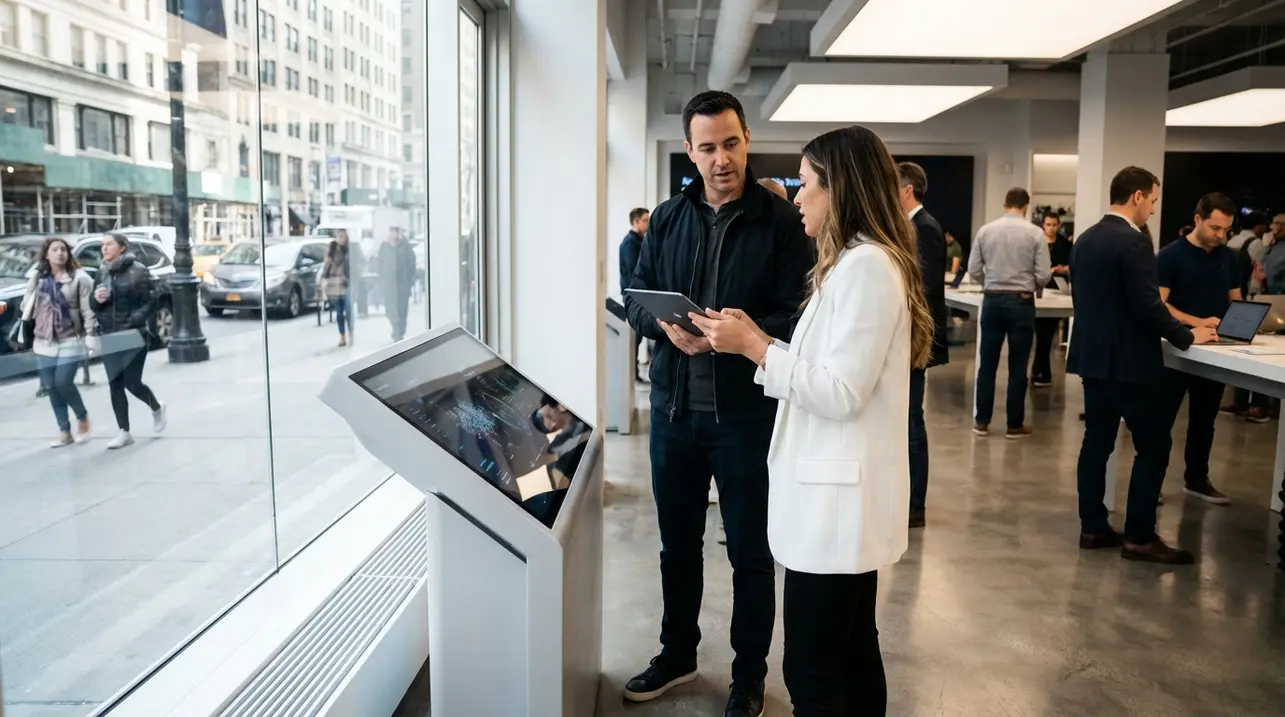
Mastercard and Google Team Up to Build Trust for AI-Powered Shopping

Memory Chip Shortage Drives Stock Surge, May Raise Device Prices

Upvest raises $125 million at €640 million valuation

Restaurant tech startup Choice raises $7.1M Series A for European expansion.
