
AIenterprise aiAI in Finance and Banking
AI Boosts Asian Real Estate Amid Tariff Pressures
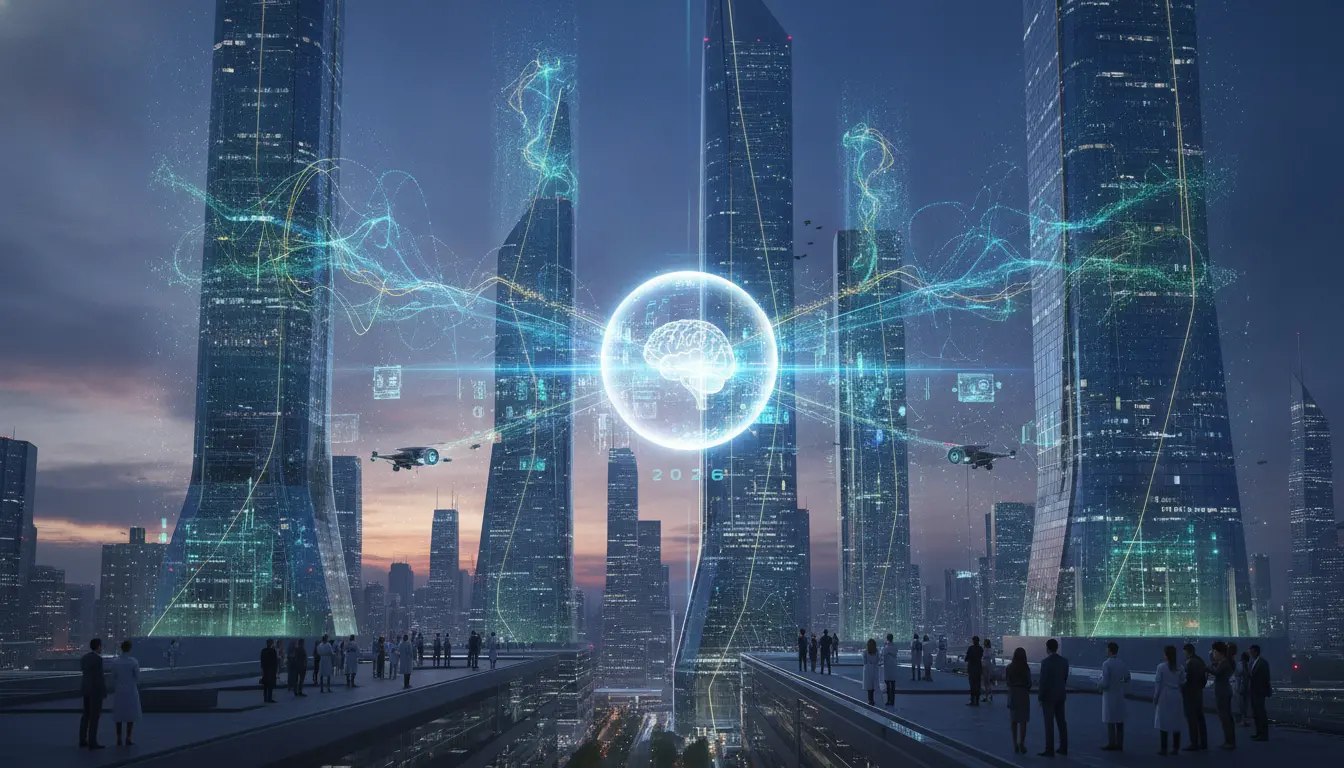
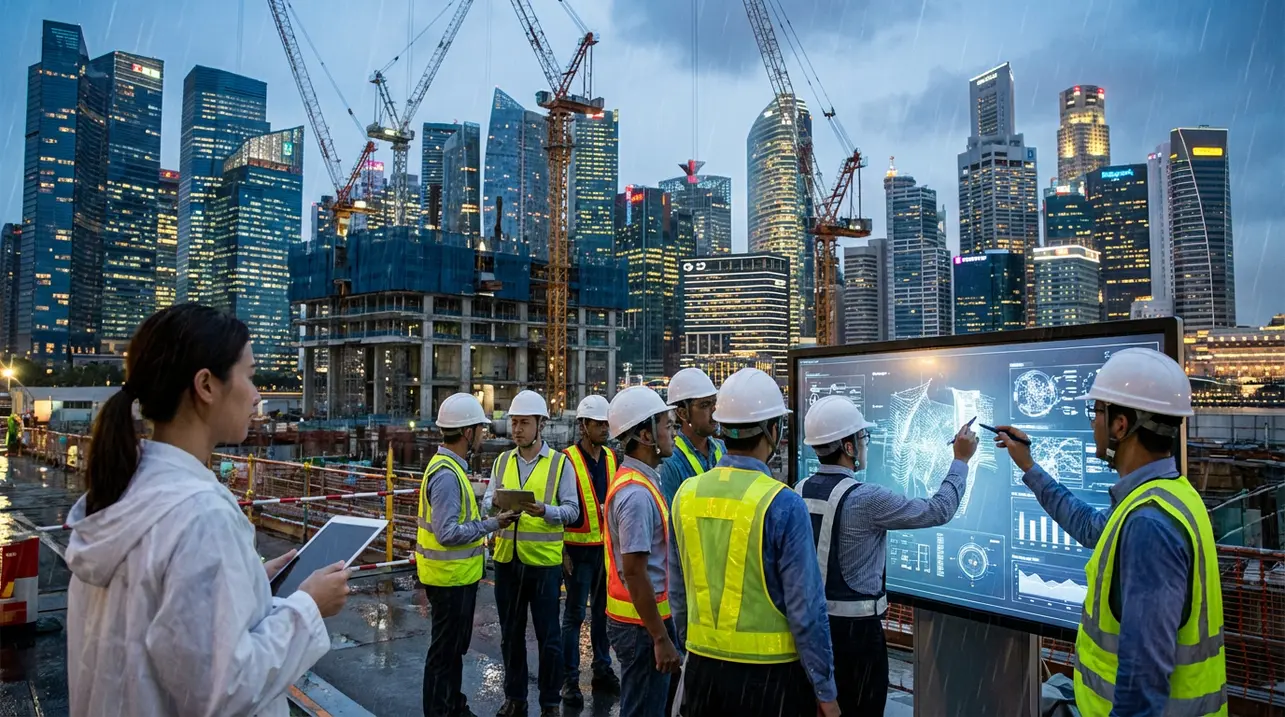
When US President Donald Trump stood outside the White House on April 2 and unveiled his punitive “Liberation Day” tariffs on most US trading partners, it wasn't just a policy announcement; it was a calculated geopolitical shockwave, with Asia squarely in the crosshairs. The region, home to seven of the ten economies with the largest trade surpluses with the United States, was logically primed for the most severe impact, setting the stage for what many analysts predicted would be a protracted period of economic contraction and regional instability.Fast forward to the closing months of 2025, however, and the narrative has dramatically pivoted from one of vulnerability to one of unexpected resilience. While multiple factors have contributed to this stability—including strategic regional trade pacts and robust domestic consumption—the most critical and transformative catalyst has been the strategic deployment of artificial intelligence across Asia's real estate and construction sectors, a development that has effectively insulated key economies from the worst of the tariff pressures.This wasn't a coincidence but a rapid, large-scale adaptation. Faced with rising material costs and supply chain uncertainties exacerbated by the tariffs, developers and urban planners from Singapore to Seoul turned to AI-driven solutions for everything from predictive logistics and automated construction management to dynamic pricing models and hyper-efficient building design.In China, AI platforms are now optimizing concrete pours and steel deliveries in real-time, slashing waste and circumventing logistical bottlenecks, while in Japan, algorithms are managing aging building portfolios and forecasting maintenance needs with unprecedented accuracy, preserving asset value. The consequence is a fascinating paradox: the very protectionist measures designed to curb Asian export dominance have inadvertently accelerated an internal technological revolution, creating a new growth engine less dependent on traditional trade flows.This shift carries significant risk implications. On one hand, it reduces immediate exposure to volatile international policy, but on the other, it deepens regional dependencies on complex, data-intensive systems and could widen the digital divide within Asia itself.Furthermore, this AI boom in real estate is attracting massive capital inflows, diverting investment from other sectors and potentially creating asset bubbles in smart-city adjacent properties. The scenario now unfolding suggests that the traditional levers of trade policy are becoming blunter instruments, as economies with the capacity for rapid digital integration can partially decouple from external shocks.The long-term question for risk analysts is whether this AI-driven resilience is sustainable or merely a buffer, and what happens if the next wave of tariffs targets the technology transfer and data services that underpin this very adaptation. The story of Asia in 2025 is thus no longer just about weathering a trade storm, but about how targeted pressure can catalyze a structural shift, redefining the region's economic foundations in real-time and setting a precedent that other tariff-targeted regions will undoubtedly study closely.
#featured
#artificial intelligence
#real estate
#Asia
#tariffs
#trade resilience
#economic analysis
#market adaptation